
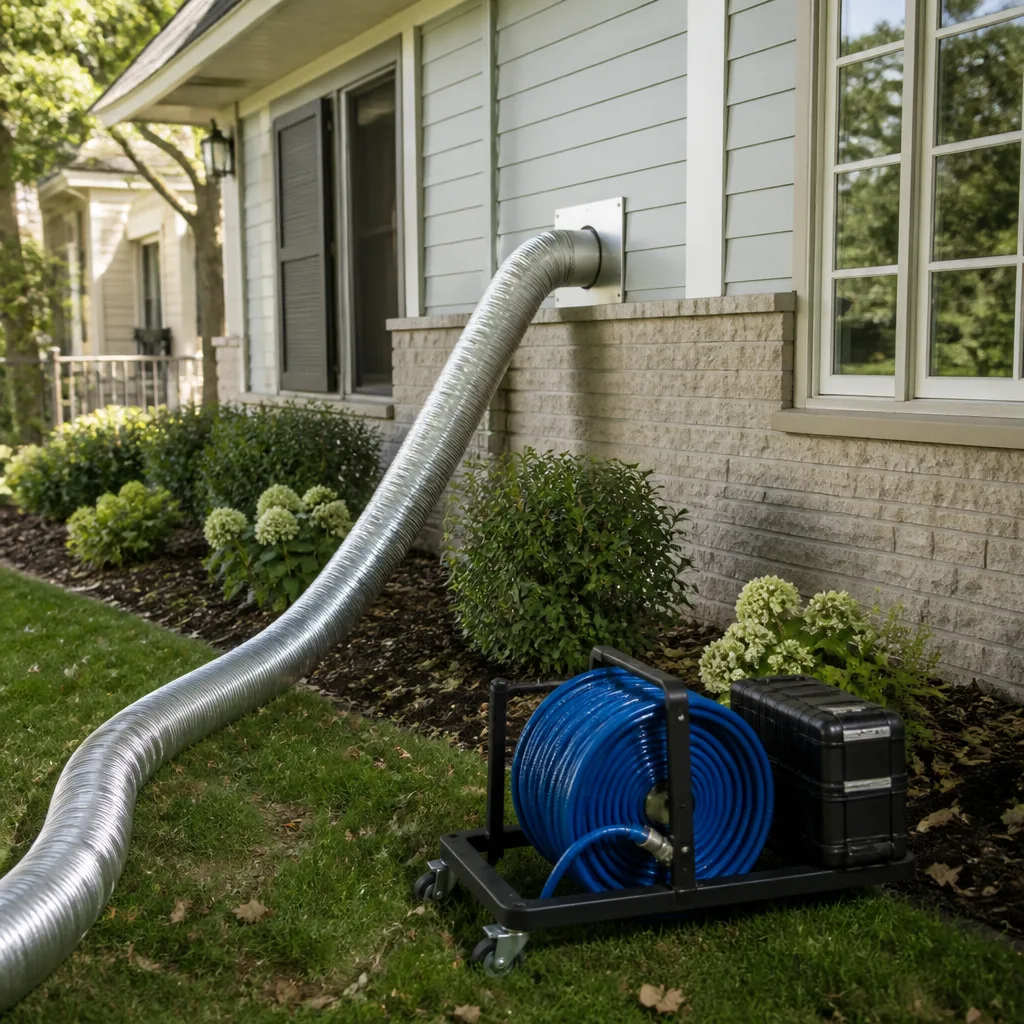
 Whole-home duct cleaning
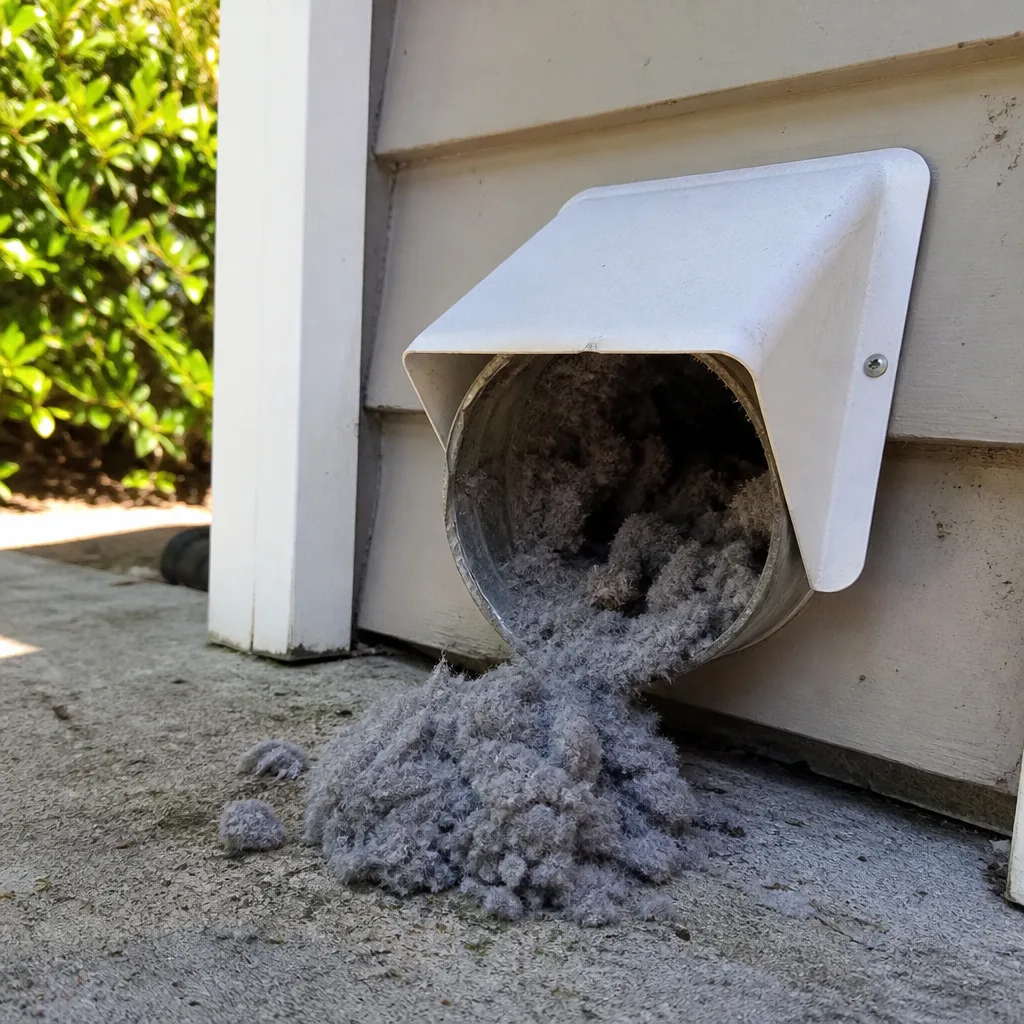 Dryer vent cleaning
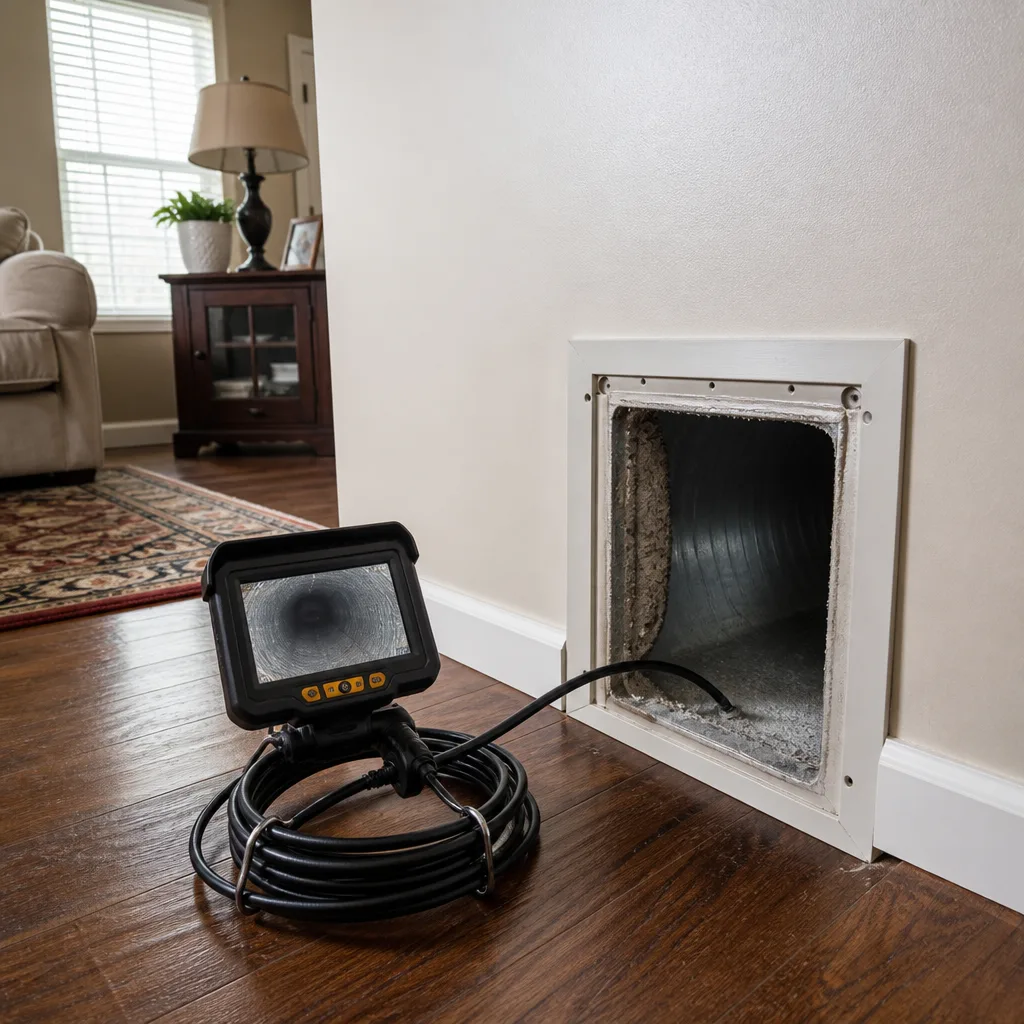 Camera inspection
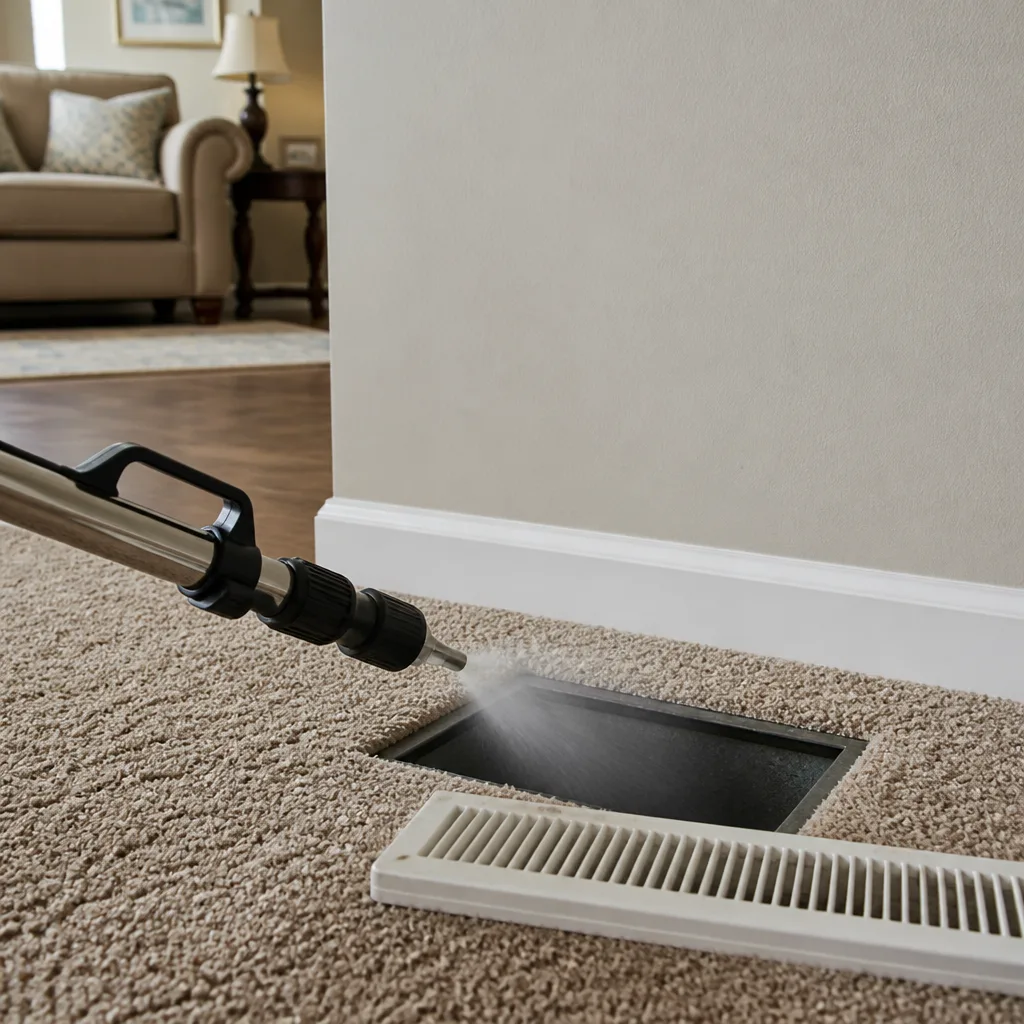 Sanitizing & deodorizing
Whole-system duct and dryer vent check with before-and-after photos - you see exactly what came out of your vents
That "$99 whole-house special" is a bait ad - the real number appears once they are in your hallway, or the "clean" is a shop-vac at the register. We photograph the inside of your ducts before and after instead.
Nikro Vent Sanitizing: The Atlanta Owner’s Guide
If you own a Nikro vent sanitizing system in Atlanta and a part has failed, we stock the replacement components on our trucks and install them for $180 – $380, parts and labor included, depending on which part your specific Nikro unit needs. Most swaps take under an hour, and we can typically schedule you within a few days, not weeks. The way most Atlanta homeowners discover a failing Nikro part isn’t dramatic: a weak or sputtering mist, a pump that hums but won’t build pressure, or a sanitizer that used to treat a full system in one pass and now takes two or three.
Cardinal Air Duct Atlanta is an independent service provider, not affiliated with Nikro, but we’ve run their equipment on hundreds of Atlanta jobs, from Grant Park bungalows to Midtown high-rises. We know which parts wear first, what the OEM-versus-aftermarket tradeoff looks like in practice, and what a fair installed price actually is. Tell me what you need, I’ll tell you what it costs – we’ll both sleep better tonight.
Which Nikro Models This Applies To
Nikro’s vent sanitizing lineup spans three main families: the indoor coil and duct sanitizers (the 2500-series and newer DP-series systems), the portable fogger units common on residential service trucks, and the HEPA-vacuum-integrated sanitizing attachments that piggyback off Nikro’s negative-air machines. The replacement part you need depends less on your model number than on which subsystem failed, but here’s the compatibility gotcha that trips up most Atlanta owners: Nikro uses two different quick-connect fitting sizes across their sanitizer lines. A siphon tube or nozzle fitting from a 2018-era unit will not seat on a 2021-era pump housing without an adapter, and vice versa.
Before you order anything, check the data plate on the pump body, not the housing. The pump plate carries the actual part number (usually a D-series or PR-series designation), and that’s what determines replacement compatibility. For OEM Nikro parts, you’re paying for guaranteed fit and the original flow-rate spec. Quality aftermarket equivalents exist for the common wear parts like check valves, O-ring kits, and siphon tubes, and we stock both. Our honest rule: for safety valves and pump seals, we recommend OEM. For hoses, tips, and gaskets, a good aftermarket part saves you 30 – 40% with zero performance loss. Omar Haddad and our techs have swapped enough of these to know which aftermarket parts hold up in Atlanta’s humidity and which don’t.
Styles & brands we work with
Signs Your Nikro Vent Sanitizing Is Failing
- Weak or uneven mist output. The pump runs, but the fog plume looks thin or sputters. That’s almost always a failing check valve or a cracked siphon tube letting air into the line instead of sanitizer.
- Sanitizer pooling at the nozzle tip. If you’re seeing drips or puddles rather than a fine mist, the nozzle orifice is partially clogged or the tip O-ring has flattened. In Atlanta’s summer heat, we see O-rings stiffen and crack faster than the national average.
- Pump motor runs but no sanitizer moves. This points to a failed diaphragm inside the pump or a broken prime. It’s the part we replace most on Nikro units that sit unused through winter, then get pressed into service during Atlanta’s spring pollen season.
- Reduced coverage per fill. Your unit used to treat an entire 2,000-square-foot home’s duct system on one tank. Now it runs dry halfway through. A worn pressure regulator is letting too much product through too fast.
- Chemical smell after treatment is noticeably stronger, not weaker. That’s a sign of incomplete atomization. Instead of a fine dry fog, the unit is pushing larger droplets that settle in the ducts and off-gas. It’s usually a combination of low pump pressure and a dirty nozzle.
See the difference
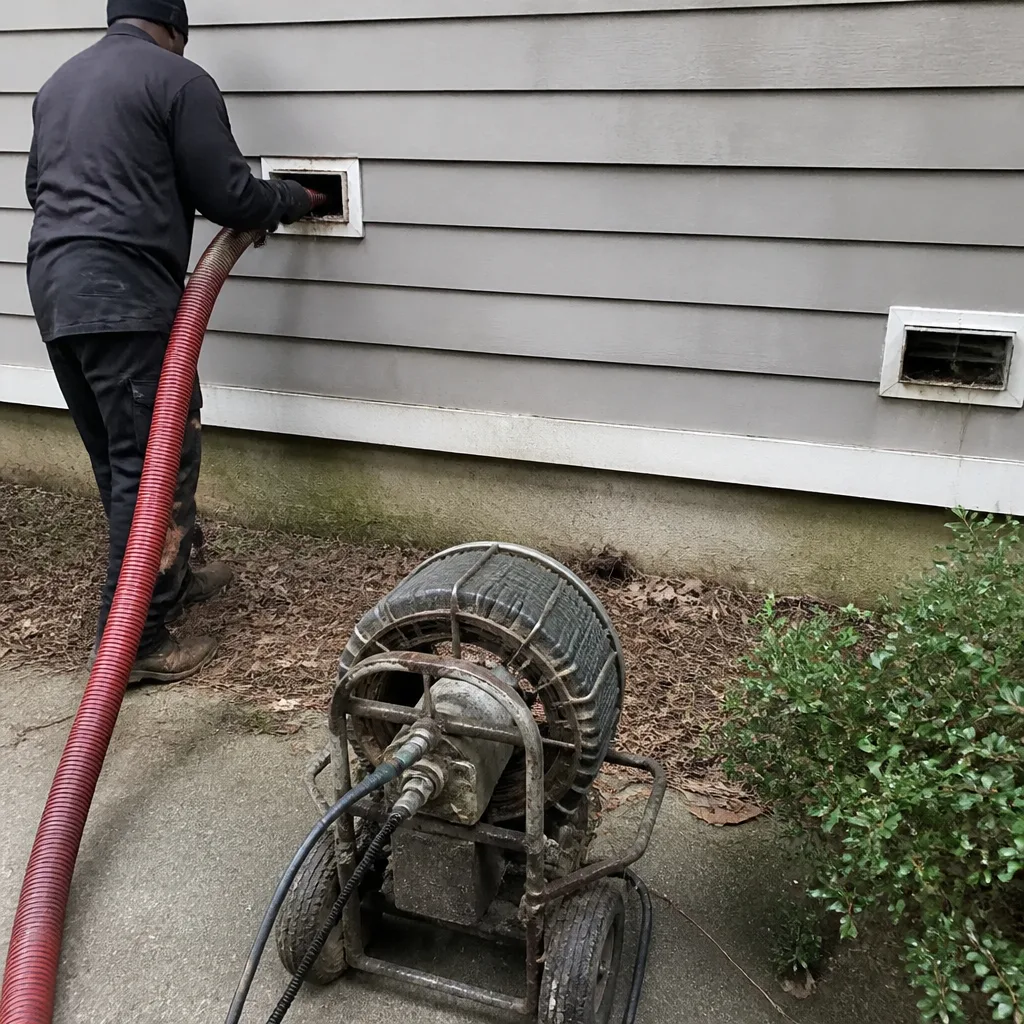 Before
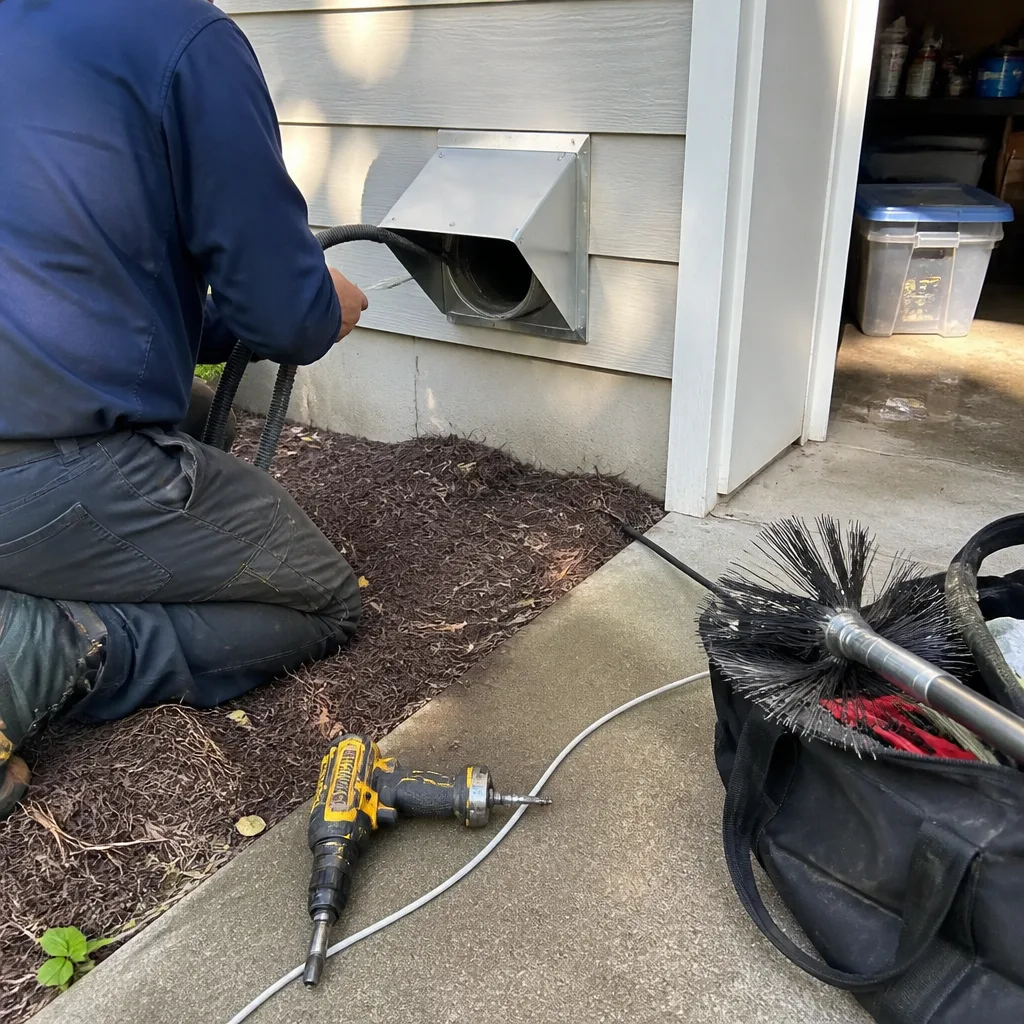 After
After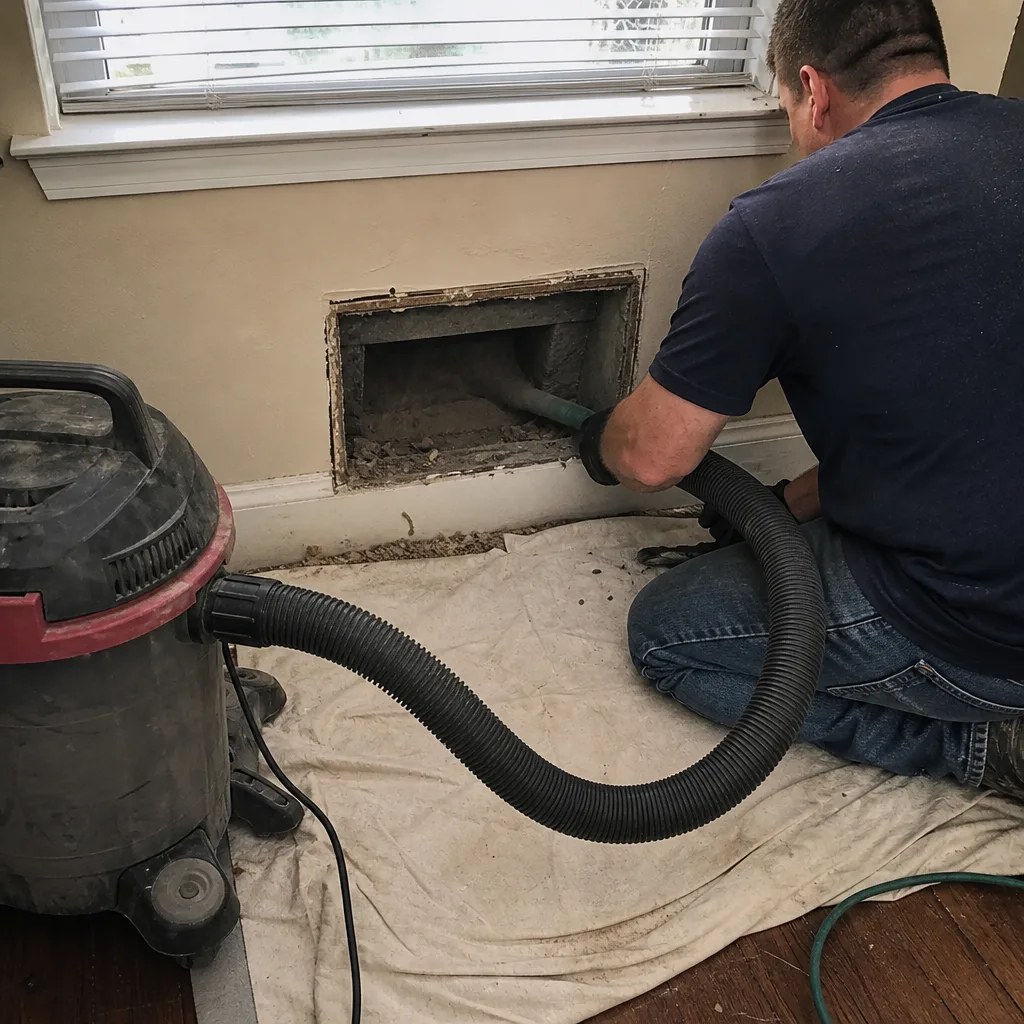 Before
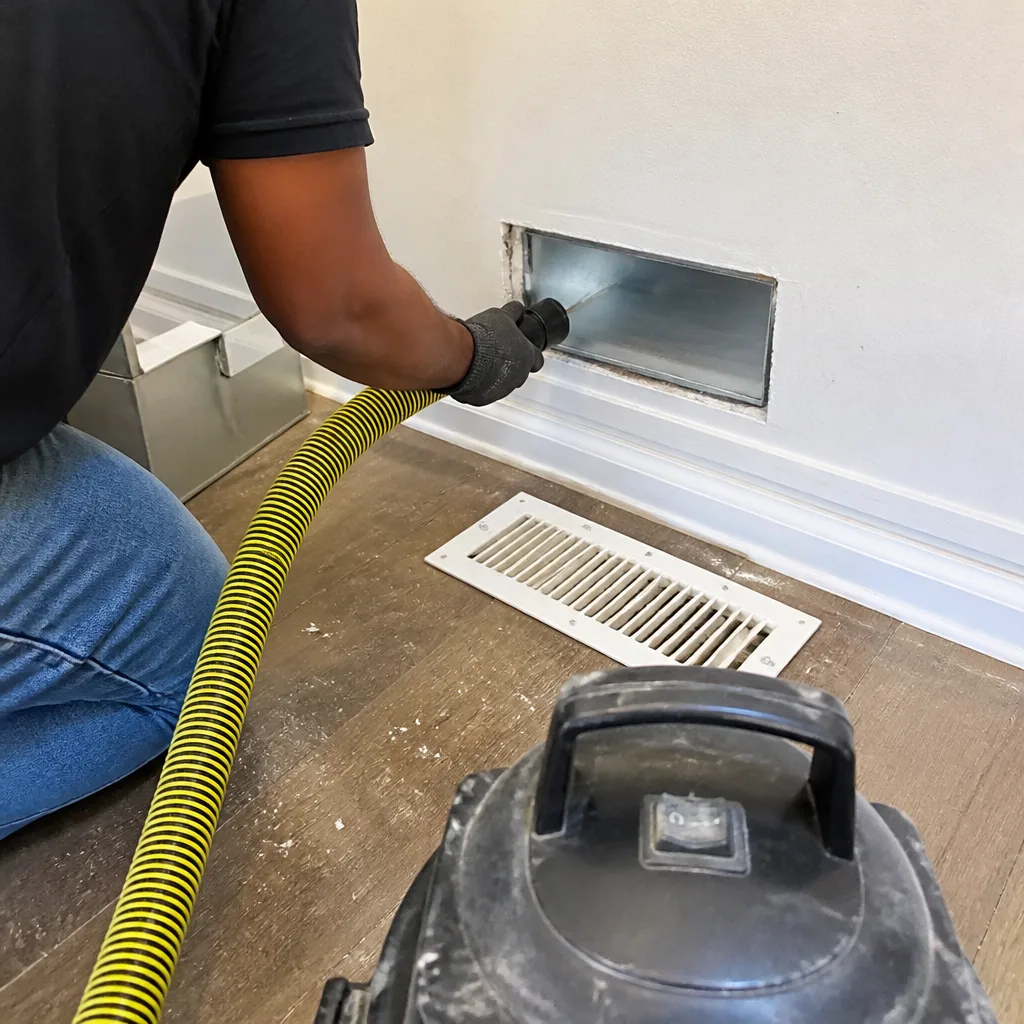 After
After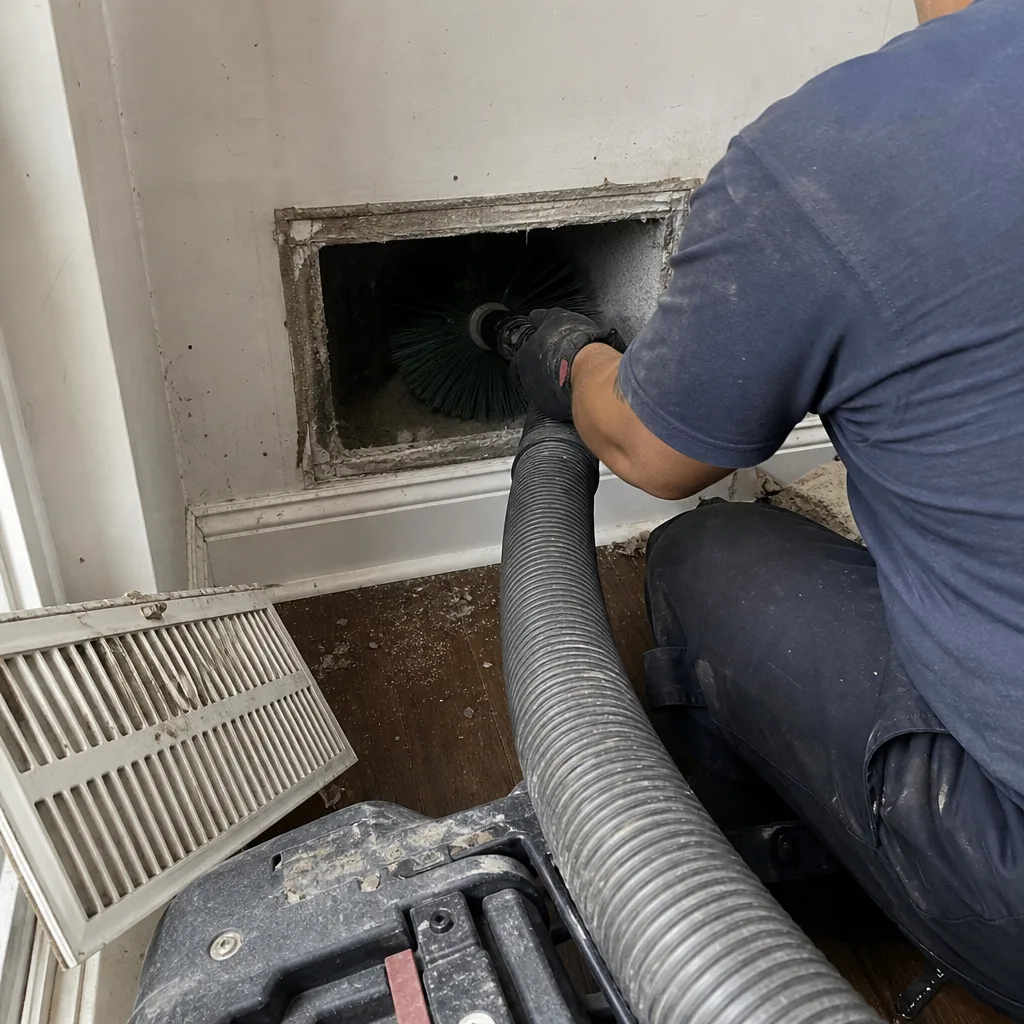 Before
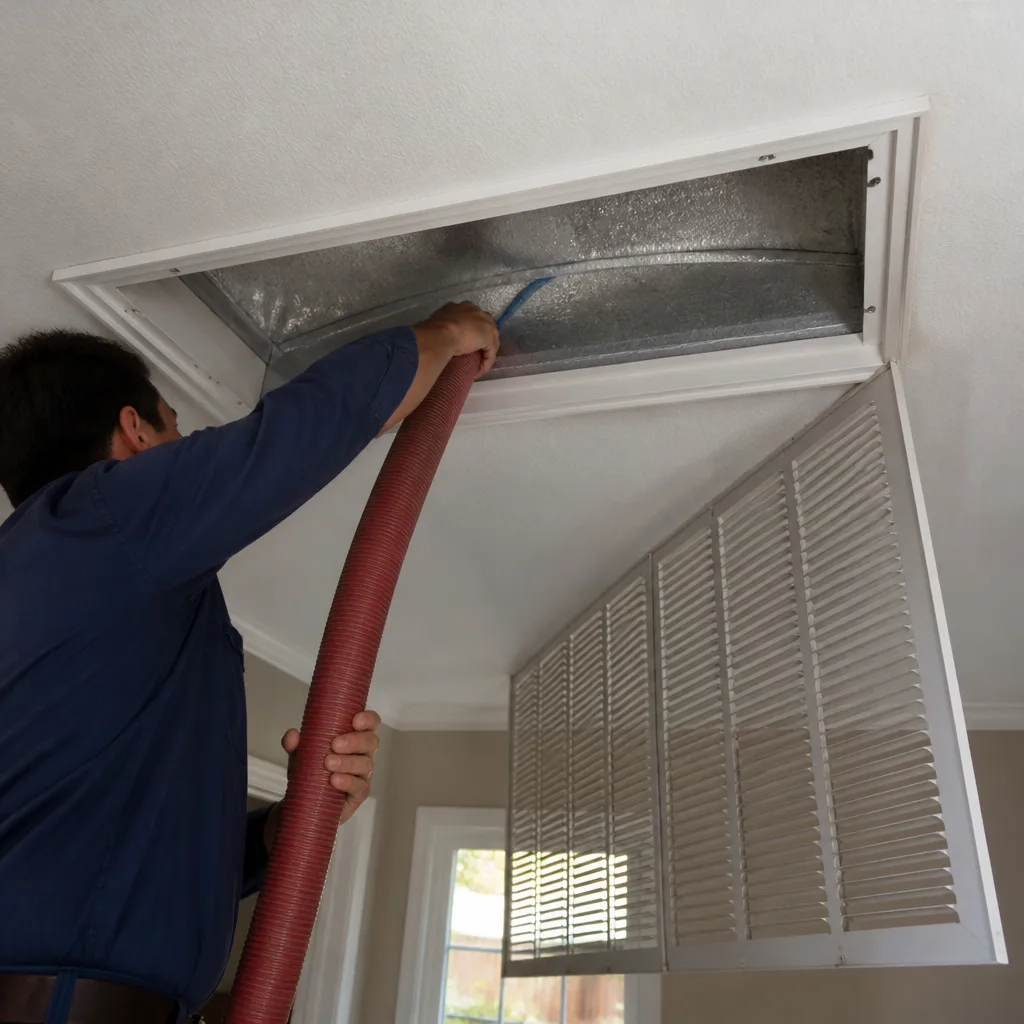 After
AfterReplacement Cost & What’s Included
Here’s what we charge in Atlanta, installed:
- Check valve replacement: $180 – $220 (OEM part, 30 – 45 minutes)
- Siphon tube and fitting kit: $190 – $240 (includes new quick-connect fittings)
- Nozzle and O-ring kit: $160 – $200 (multiple tip sizes included)
- Pump diaphragm and seal rebuild: $280 – $380 (full reseal, pressure tested)
- Complete pump assembly replacement: $320 – $450 (new OEM Nikro pump, calibrated)
Every price is written before we start. No surprises, no door-knock adjustments. The range reflects which part your unit needs and whether we’re installing OEM or a quality aftermarket equivalent. Every Nikro repair we do carries Cardinal’s 365-Day Done Right Promise: if the repair fails within a year, we come back and correct it at no charge. That’s not a premium option – it’s every job, no exceptions. We also stock parts for Lennox, Trane, and Carrier vent sanitizing systems if your other equipment needs attention while we’re there. Call (470) 408-4927 for an exact quote – estimates are free, and a live person answers.
DIY or Call Us?
The honest split. If you’re swapping a siphon tube, nozzle tip, or external O-ring, that’s a tool-free job most Atlanta owners can do in ten minutes with a pair of needle-nose pliers. Order the right part, match the fitting size to your pump plate number, and you’re done. Where DIY goes wrong is anything inside the pump housing. Nikro sanitizer pumps operate under pressure, and an incorrectly seated diaphragm or a check valve installed backward will either burn the motor out or spray sanitizer into your face when you least expect it. We’ve fixed both outcomes. If the problem involves a pump seal, pressure regulator, or internal valve, that’s a call us situation. The repair is quick for a technician with the part on the truck and the right test rig. Call (470) 408-4927 and we’ll diagnose it over the phone first – no service charge if we can walk you through it without a visit.
FAQs
In our experience, check valves and O-rings last 2 – 4 years in Atlanta’s climate. The heat and humidity here accelerate rubber degradation, so if your unit lives in a truck or a non-climate-controlled garage, expect the shorter end. Pump diaphragms typically last 4 – 6 years with regular use.
Call (470) 408-4927 if your unit is in that window and showing symptoms – catching a check valve early usually prevents a full pump rebuild.
No. The wear parts in these units – check valves, O-rings, siphon tubes, diaphragms – are sealed components meant to be swapped, not rebuilt. Attempting to patch a cracked diaphragm or reseat a worn valve extends the failure, it doesn’t fix it. We replace the part and pressure-test the unit before we leave.
Most repairs take 30 – 90 minutes on-site. A check valve or nozzle kit swap is under an hour. A full pump assembly replacement runs closer to 90 minutes because we calibrate the output pressure after install. We’ll tell you the expected time when you book, and it’s part of your written quote.
Yes. Our Atlanta service trucks carry the most common Nikro replacement parts: check valves, siphon tubes, nozzle kits, O-ring sets, and pump rebuild kits for the DP-series and 2500-series systems. Less common parts we source within 1 – 2 business days through our local supply network. Call (470) 408-4927 and we’ll confirm availability for your specific pump number before you book.
Written by Omar Haddad, Owner & Lead Technician, Cardinal Air Duct Atlanta at Cardinal Air Duct Atlanta, serving Atlanta and nearby areas.