
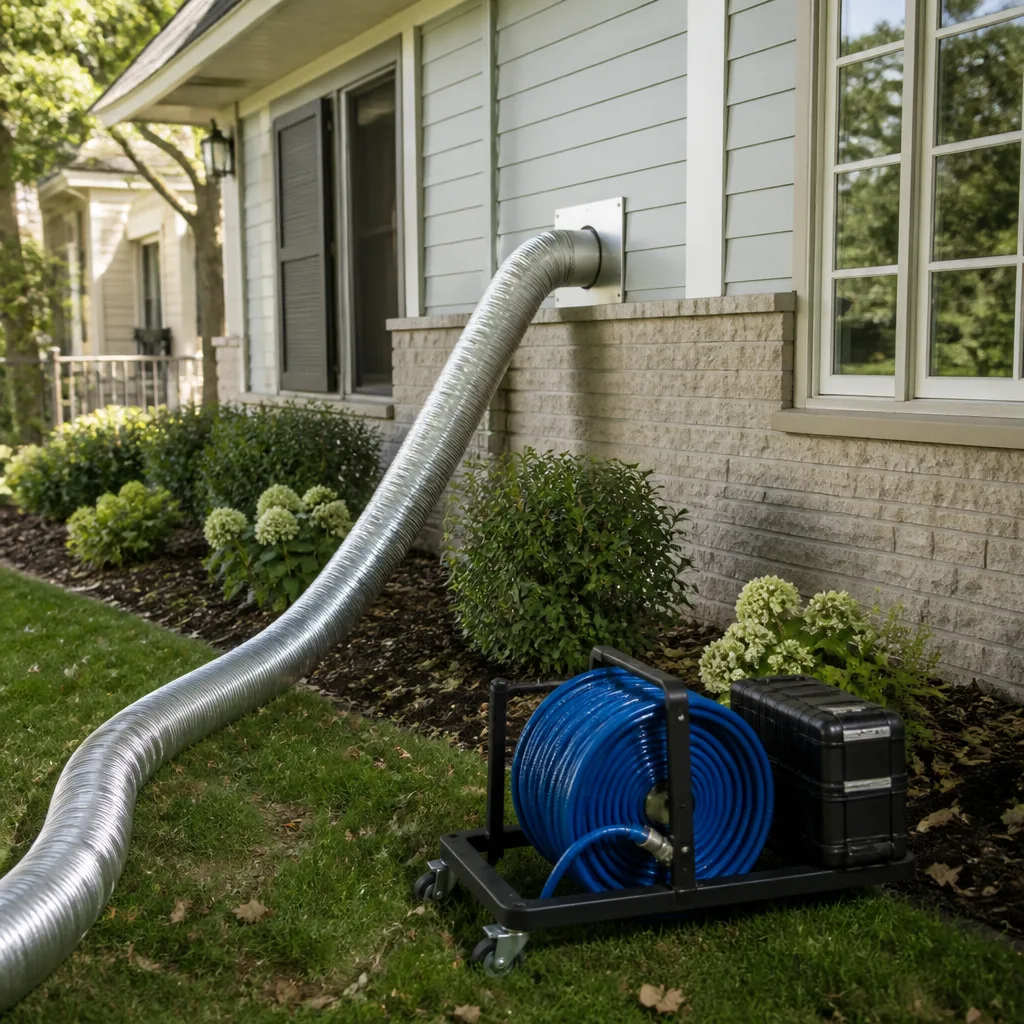
 Whole-home duct cleaning
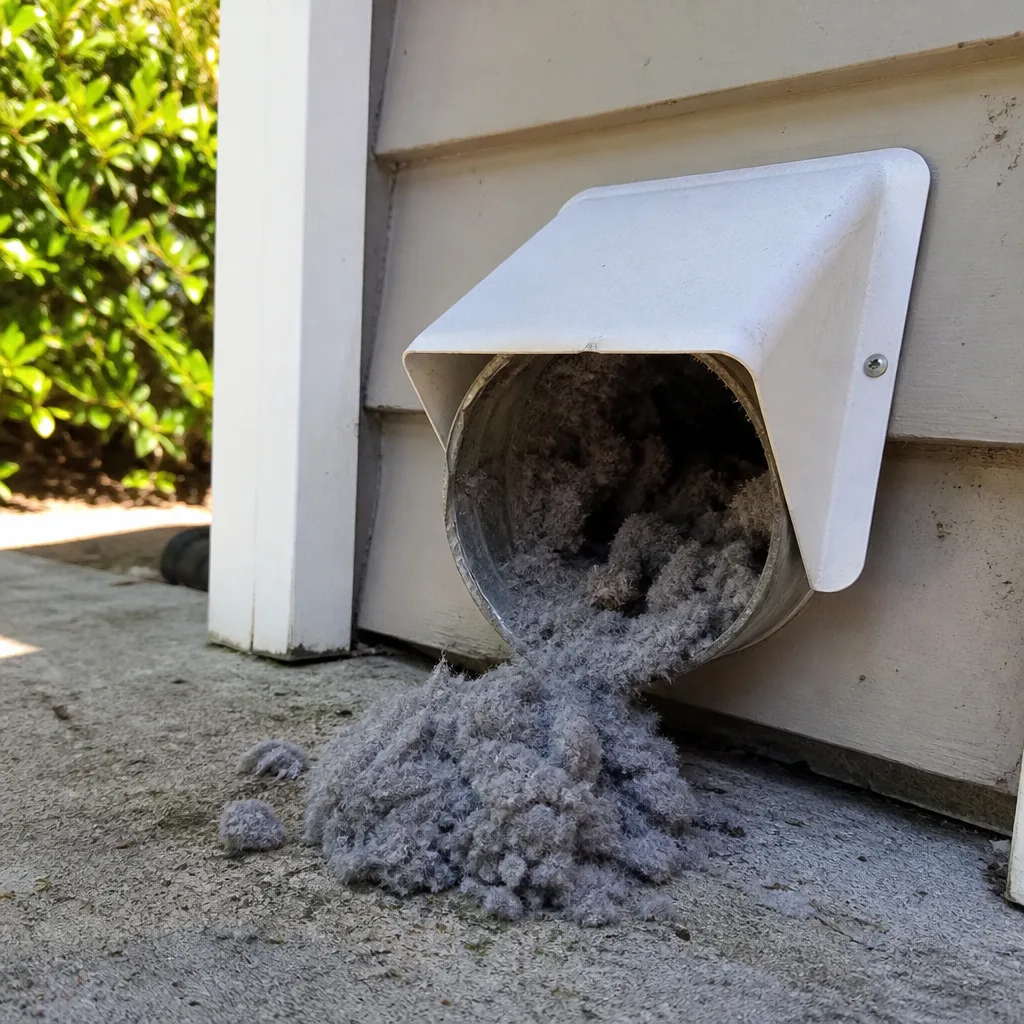 Dryer vent cleaning
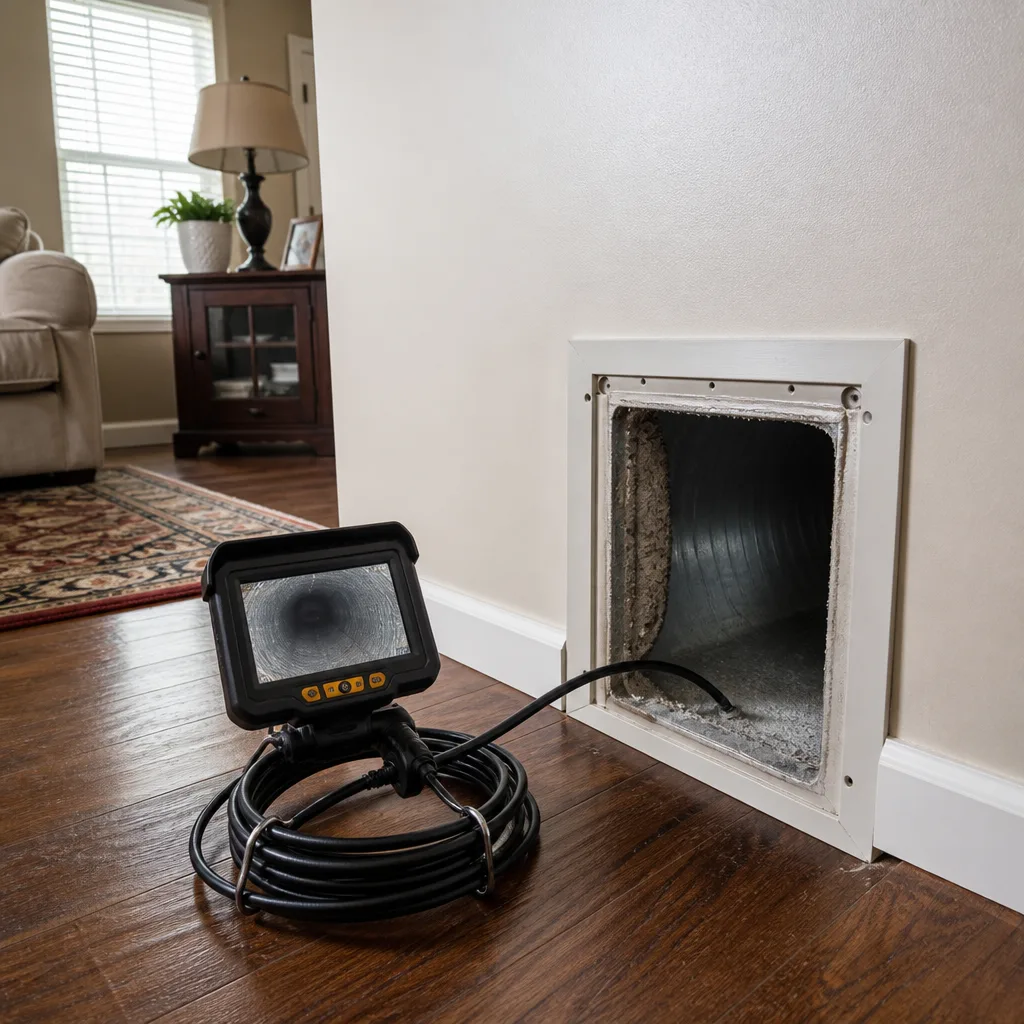 Camera inspection
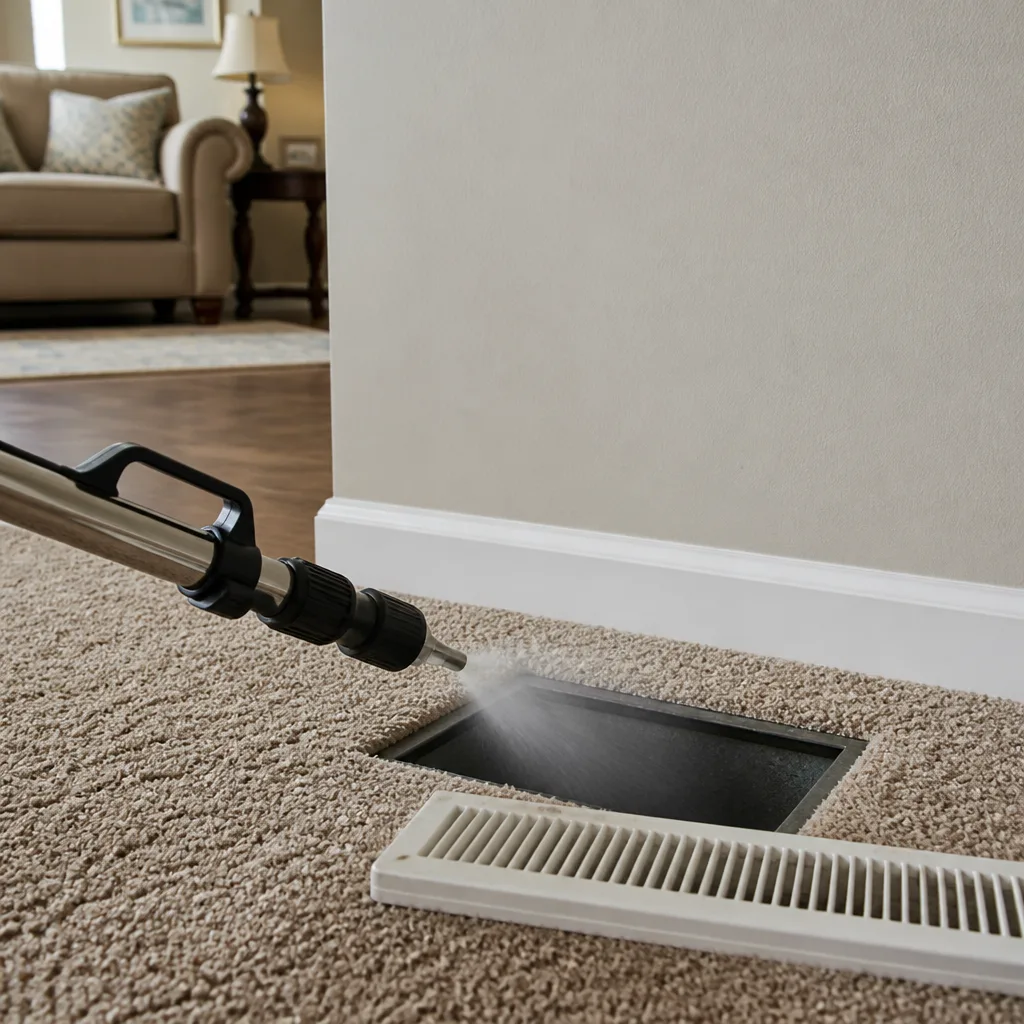 Sanitizing & deodorizing
Whole-system duct and dryer vent check with before-and-after photos - you see exactly what came out of your vents
That "$99 whole-house special" is a bait ad - the real number appears once they are in your hallway, or the "clean" is a shop-vac at the register. We photograph the inside of your ducts before and after instead.
Rotobrush Vent Sanitizing: The Atlanta Owner’s Guide
Rotobrush vent sanitizing in Atlanta typically costs $295 – $475 installed for a full system treatment, and we stock Rotobrush-compatible sanitizing components on our trucks so most jobs are completed in a single visit. If you’ve pulled your Rotobrush unit out of storage for a spring cleaning run and the sanitizer sprayer sputters, drips, or won’t hold pressure, you’re looking at a failed atomizer tip, a cracked pickup tube, or a worn diaphragm pump. Omar Haddad and our crew at Cardinal Air Duct Atlanta see this exact failure pattern every March and April, when Atlanta’s pollen season pushes homeowners to sanitize their ducts for the first time since fall.
Here’s the short version: the part is almost always replaceable without a new machine, the cost is a fraction of a new Rotobrush system, and we can match OEM or quality aftermarket components to most Rotobrush Brute, Revolution, and AiR+ series sanitizers. We’re an independent service provider in Atlanta, not a Rotobrush dealer, which means we stock parts from multiple suppliers and match the version that fits your specific model year.
Key takeaways:
- Installed vent sanitizing on a typical Atlanta home runs $295 – $475, parts and labor included
- Rotobrush sanitizer failures are usually the atomizer tip, pickup tube, or diaphragm pump
- We match OEM and aftermarket parts to Brute, Revolution, and AiR+ series machines
- Written price before any work starts, backed by our 365-Day Done Right Promise
Which Rotobrush Models This Applies To
Rotobrush has shipped three main sanitizer configurations over the years, and the part compatibility gets specific fast. The Brute series (the workhorse you’ll see most often in Atlanta residential jobs) uses a 0.8mm brass atomizer tip threaded onto a 32oz HDPE reservoir. The Revolution series switched to a stainless steel 1.0mm tip and a wider-mouth reservoir, and mixing those parts across series will either spray too fine and clog, or too coarse and puddle. The newer AiR+ line runs an electronic pump with a different voltage than the older manual-pump Brute units, so wiring an older atomizer onto a newer pump will short it.
The fastest way to identify what you need is the stamped series code on the bottom of the sanitizer housing: BR for Brute, RV for Revolution, AP for AiR+. If that label is worn off, measure the tip opening with a set of calipers. We keep all three series in stock on our Atlanta trucks, along with pickup tubes cut to the correct length for each reservoir, so we’re not guessing at your job. The OEM versus aftermarket question is real: Rotobrush’s OEM atomizer tips are solid, but their pickup tubes are the same polyethylene you can buy from a dozen industrial suppliers at half the price. We’ll quote both and let you decide, with a written price either way.
Styles & brands we work with
Signs Your Rotobrush Vent Sanitizing Is Failing
- The spray pattern breaks up and spits instead of misting. This is almost always a clogged or eroded atomizer tip. Atlanta’s hard water leaves mineral scale inside the tip orifice, and once the hole deforms, no amount of solvent soaking brings it back. The tip needs replacement.
- The pump builds pressure but the reservoir level never drops. A cracked pickup tube is pulling air instead of sanitizer. These tubes dry-rot faster in Atlanta attics and garages, where summer temperatures above 120°F bake the polyethylene until it splits at the fitting.
- The sanitizer drips out around the pump piston instead of spraying. The internal diaphragm has hardened and cracked. Older Brute-series pumps fail this way after four to six years of regular residential use, sooner if the unit sat dry with sanitizer residue in the pump head.
- You get no pressure at all and the pump handle moves too freely. This is a blown intake check valve, a small rubber flapper inside the pump body. It’s a $12 part, but getting to it without cracking the pump housing is the skill part.
- The sanitizer smells weak or the ducts don’t retain the treatment. This points to a diluted or expired sanitizer concentrate, not a hard part failure. Atlanta’s humidity degrades opened sanitizer concentrate faster than the bottle label suggests, so we date-check every jug before it goes into your reservoir.
Replacement Cost & What’s Included
For a full Rotobrush vent sanitizing treatment in Atlanta, most single-system homes run $295 – $475 installed. That includes the sanitizer itself, the replacement of any failed component (atomizer tip, pickup tube, pump diaphragm, or check valve), and the labor to apply the treatment to all accessible vents and the main trunk line. Larger homes with two HVAC systems or extensive duct runs push toward the top of that range.
What drives the price is the part, not the mystery. An atomizer tip is $18 – $35. A pickup tube is $8 – $15. A diaphragm pump rebuild is $65 – $110. A full pump replacement on an AiR+ series runs $140 – $190. We quote the whole job as one flat number before we touch a single vent, parts and labor broken out on the written quote, so there’s no bait-and-switch at the door. Every repair carries a written guarantee, and if the part fails again, the follow-up visit is free under our 365-Day Done Right Promise.
Omar’s rule on this: “Tell me what you need, I’ll tell you what it costs – we’ll both sleep better tonight.”
See the difference
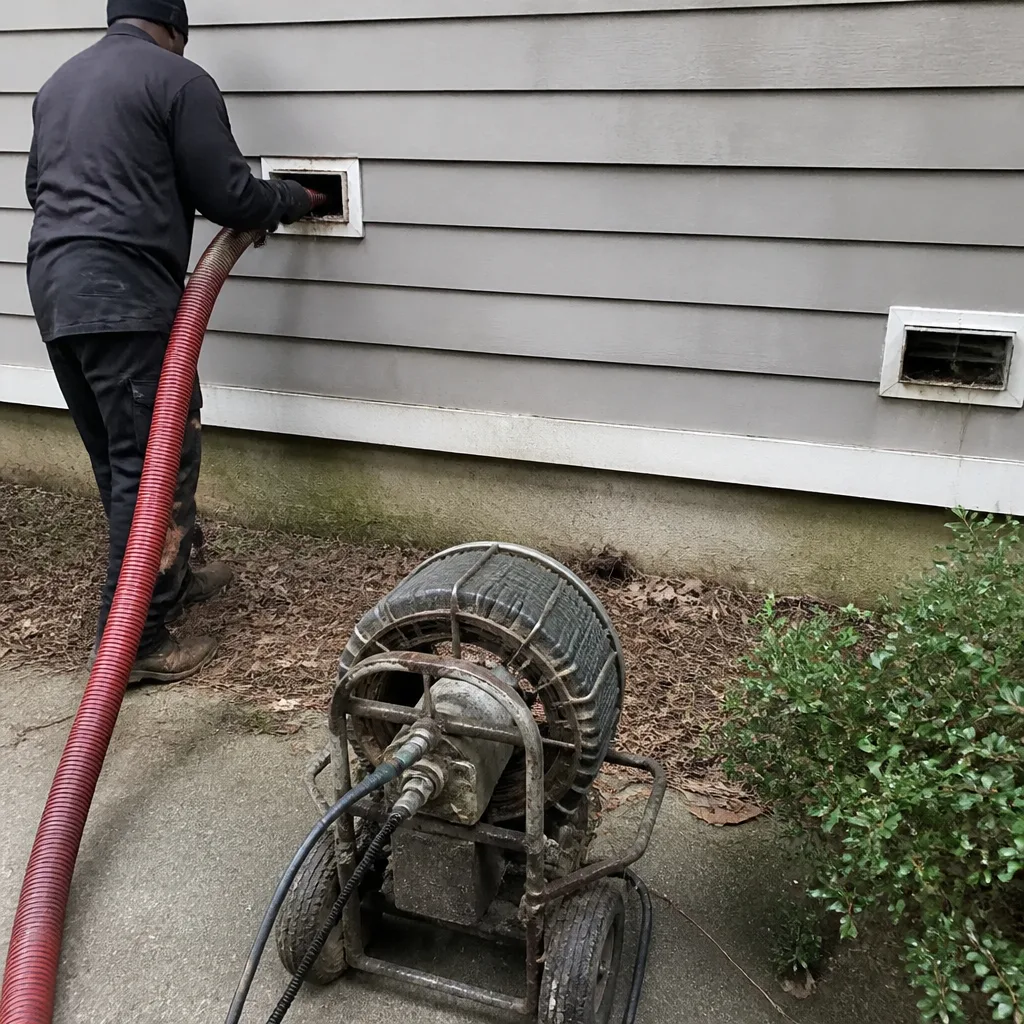 Before
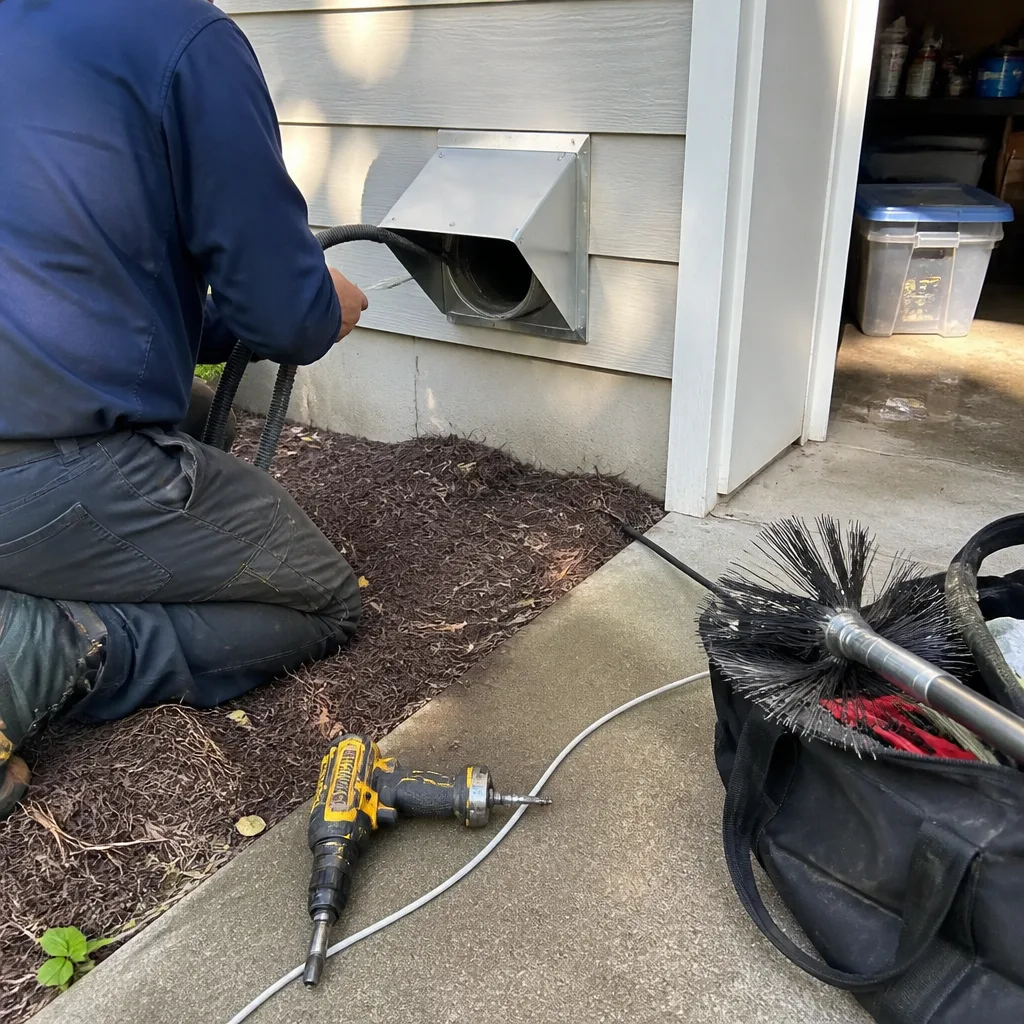 After
After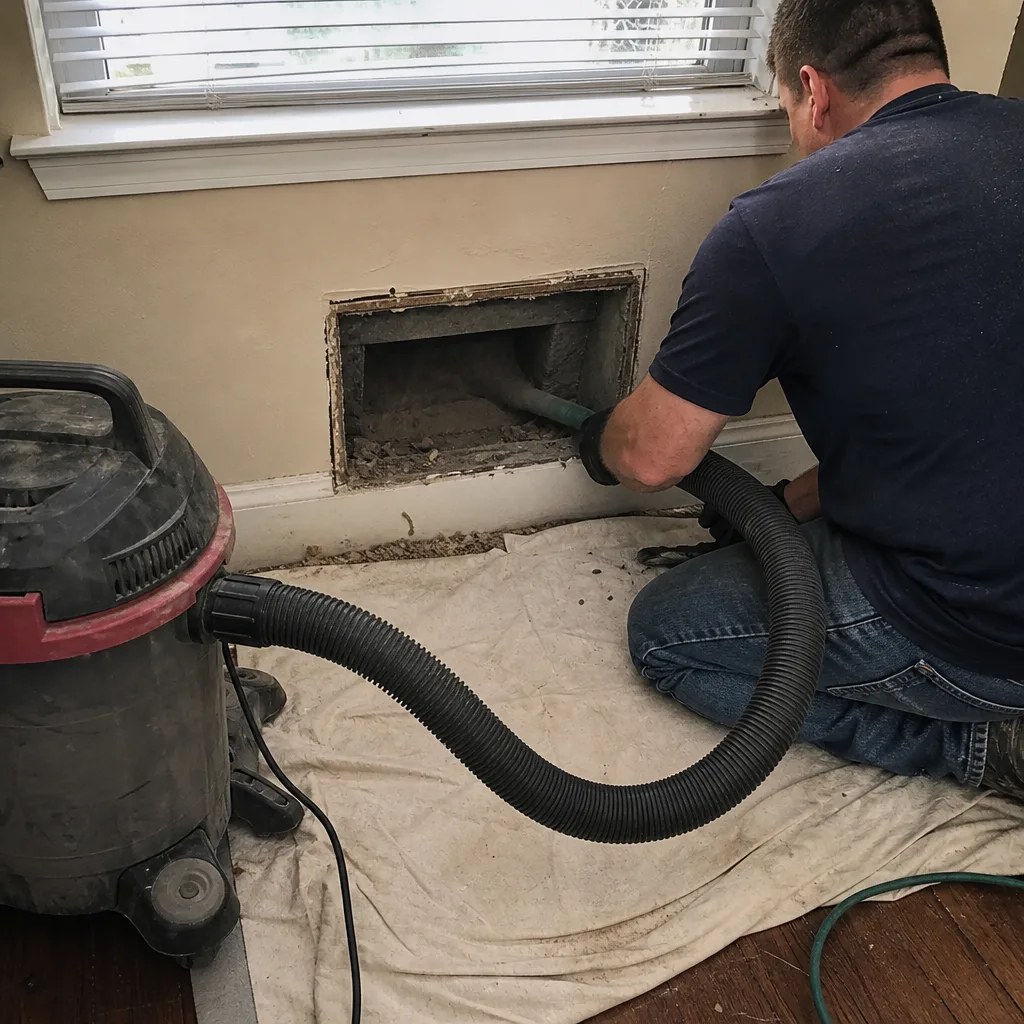 Before
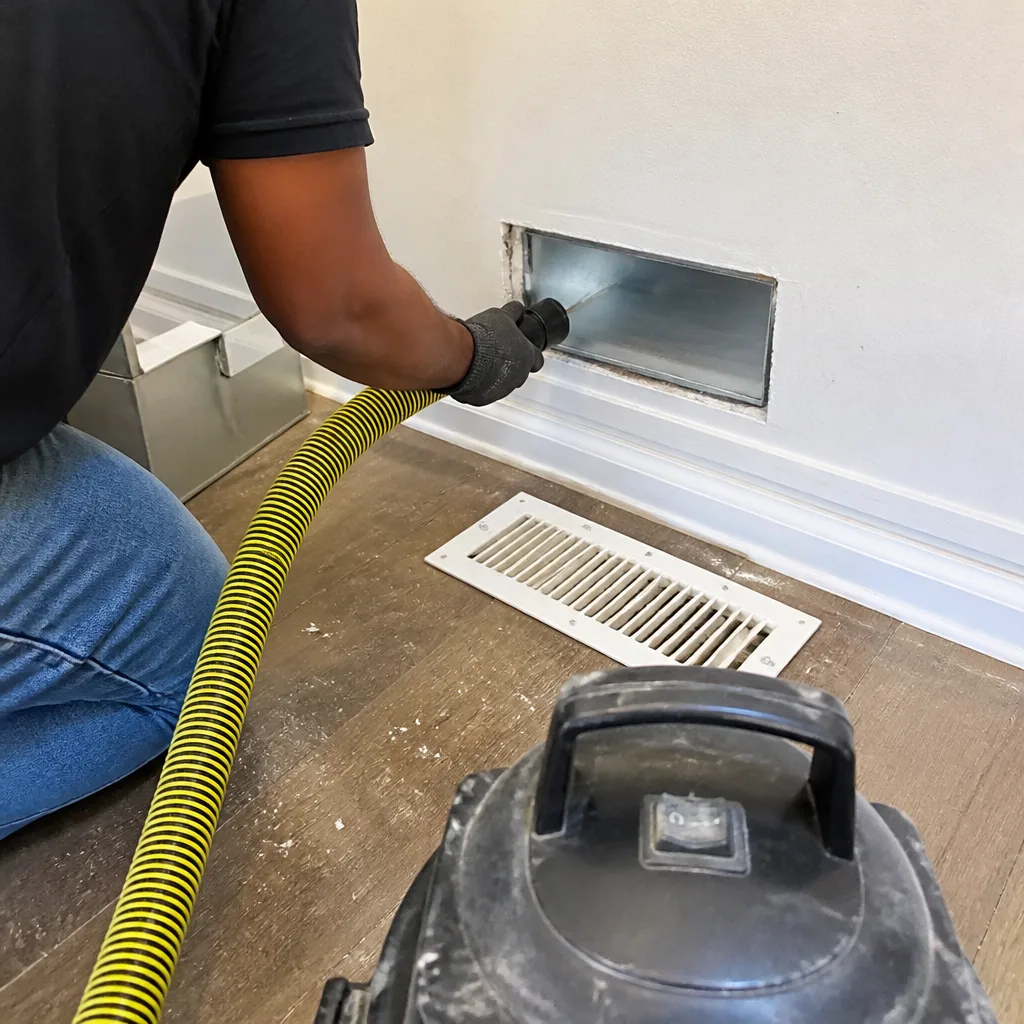 After
After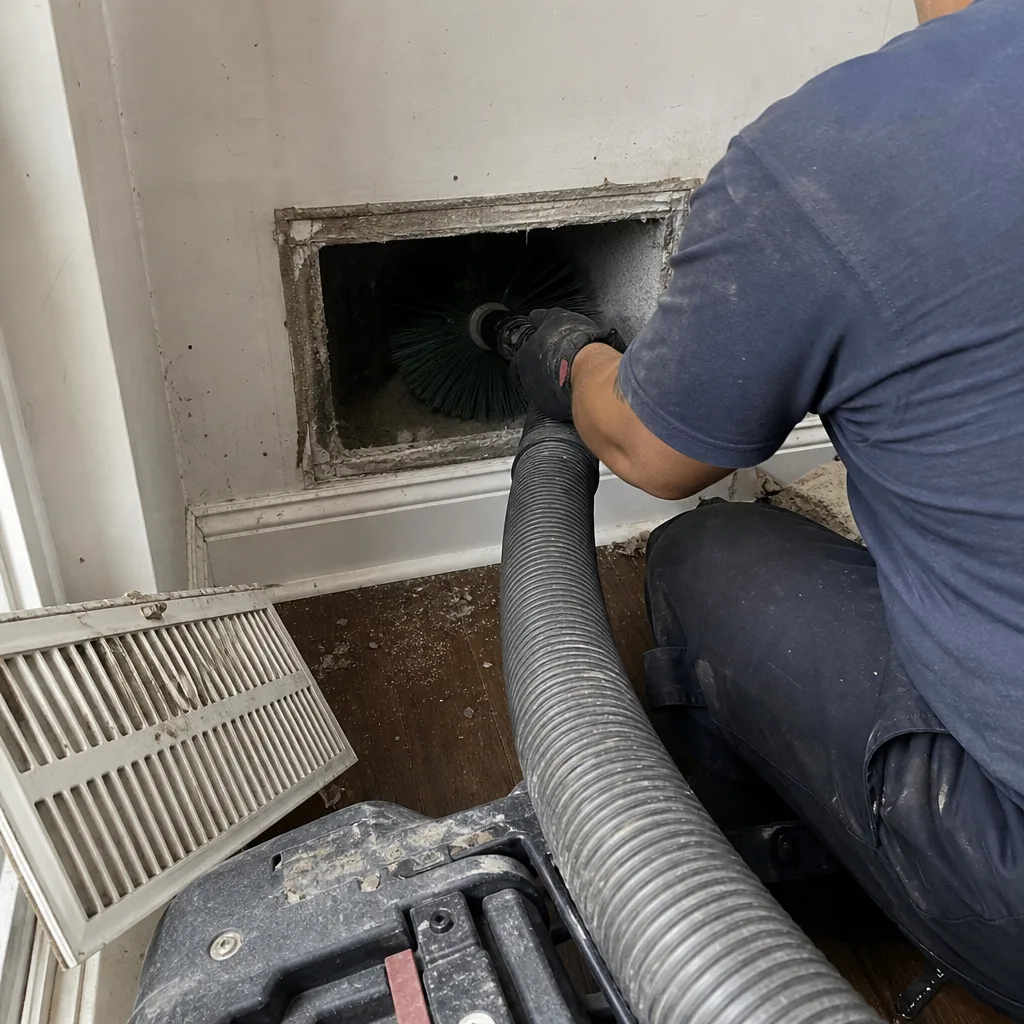 Before
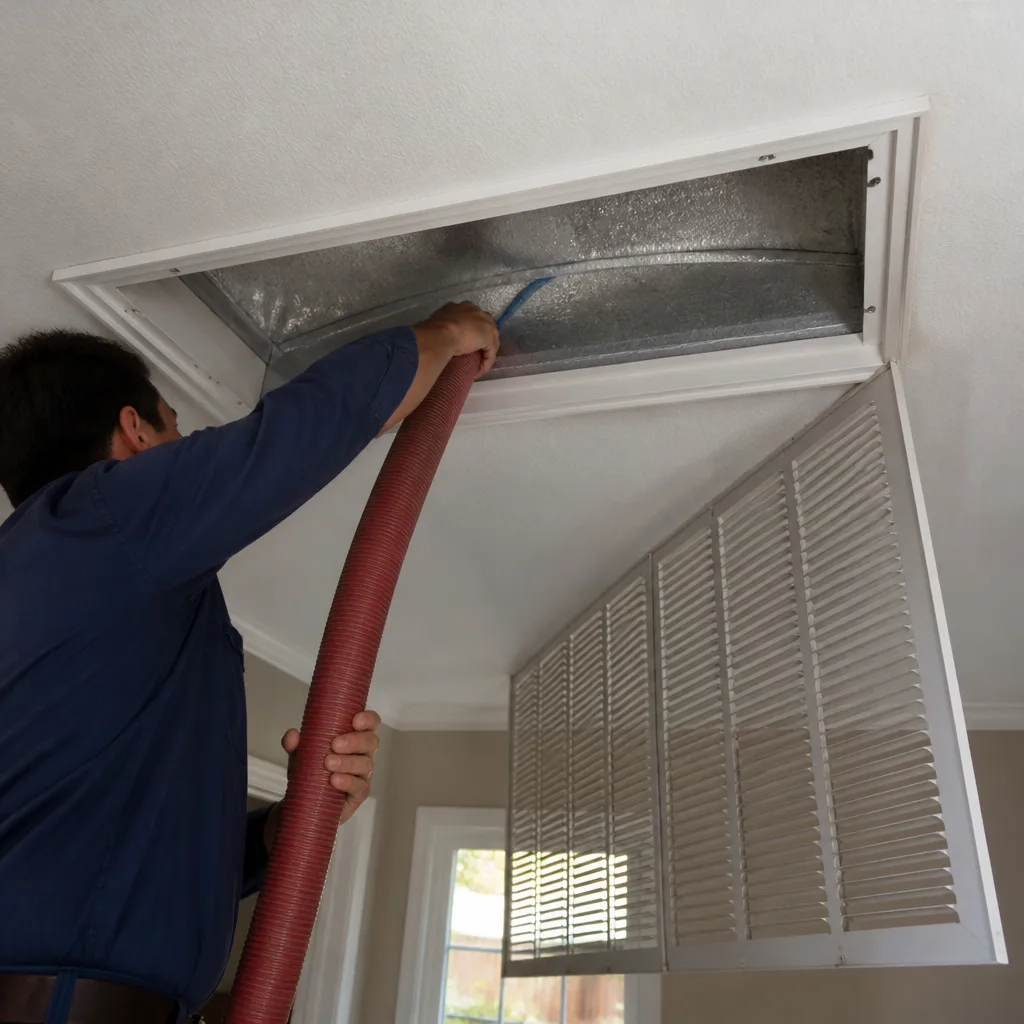 After
AfterDIY or Call Us?
The sanitizer itself is a diluted quaternary ammonium compound, not a high-tension spring or electrical panel, so the safety stakes here are lower than our other repair pages. The honest split is this: you can safely disconnect the reservoir, clear a clogged atomizer tip with the correct solvent, and install a replacement pickup tube if you’re comfortable working with small fittings. Where DIY goes wrong is the pump internals. The diaphragm and check valve sit inside a sealed housing with a specific torque spec, and over-tightening the housing splits it. We’ve replaced enough cracked Brute pump housings in Atlanta kitchens to know the pattern.
The other thing worth saying plainly: sanitizing works best when the ducts are clean first. Spraying sanitizer onto a duct lined with years of pet hair and construction dust is like mopping a floor before you sweep. If your Rotobrush sanitizer is firing properly but the results are weak, the problem may not be the part at all. Call us at (470) 408-4927 and we’ll tell you straight whether it’s the equipment, the duct condition, or the sanitizer itself.
FAQs
In Atlanta’s climate, a properly applied sanitizing treatment lasts six to twelve months, with the humidity shortening that window in summer. The active quaternary ammonium compound breaks down faster in high-moisture environments, which is why we recommend treating once in spring and once in early fall if anyone in the home has year-round allergies. Give us a call at (470) 408-4927 and we can look at your system’s condition and set a realistic schedule.
Atomizer tips and pickup tubes cannot be repaired meaningfully; they’re wear items made to be replaced. Diaphragm pumps can sometimes be rebuilt with a new diaphragm and check valve kit, and we’ll quote that option when the pump housing is still sound. The deciding factor is housing wear, because a scored pump bore won’t hold pressure even with fresh internals. Call us and we’ll tell you which side of that line your pump falls on.
A full vent sanitizing with one failed part replaced takes two to three hours for a typical single-system Atlanta home, from pulling the first vent cover to the final pressure check on the sanitizer. Homes with two systems or unusually long duct runs add another hour. We schedule a window you can track on your phone through the Relay Standard booking, so you’ll know when our tech is arriving, not just a four-hour guess.
Yes. Our Atlanta trucks carry atomizer tips, pickup tubes, diaphragm rebuild kits, and check valves for Brute, Revolution, and AiR+ series machines. We also stock replacement sanitizer concentrate from the same chemical suppliers used by commercial duct cleaners, and yes, we also keep parts for Lennox, Trane, and Carrier filtration systems if your HVAC setup needs attention while we’re there. If you’re not sure what series your Rotobrush is, call (470) 408-4927 and describe the unit; we’ll match it before we ever leave the shop.
Get Your Rotobrush Back to Work
If your Rotobrush sanitizer is spitting, dripping, or dead, don’t park the machine and skip the treatment. Call Cardinal Air Duct Atlanta at (470) 408-4927 for a free estimate on the part and the full vent sanitizing job. You’ll get a written price before any work starts, a tech whose name you know before they knock, and before-and-after photo proof of the work. That’s the Relay Standard, and it’s how we’ve done it in Atlanta since day one.
Written by Omar Haddad, Owner & Lead Technician, Cardinal Air Duct Atlanta at Cardinal Air Duct Atlanta, serving Atlanta and nearby areas.