
Last updated October 15, 2026
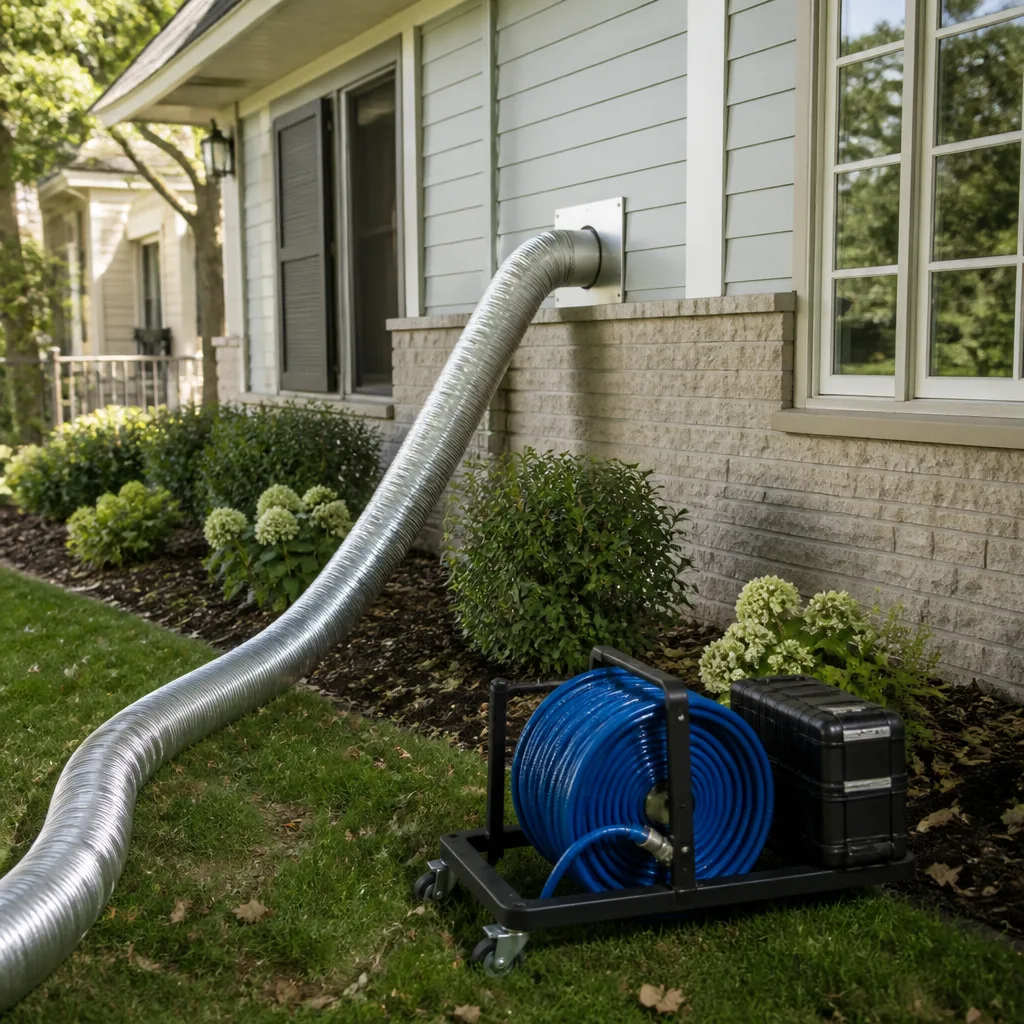 Whole-home duct cleaning
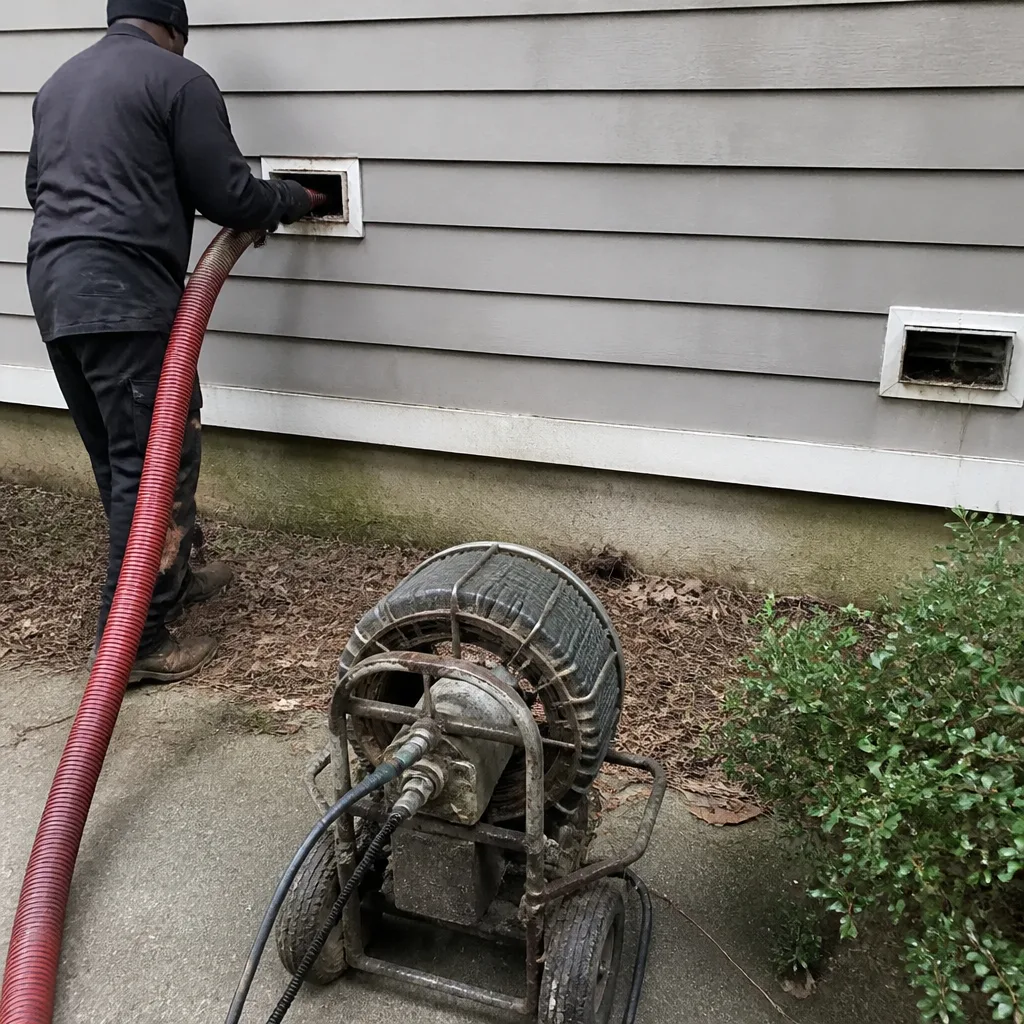
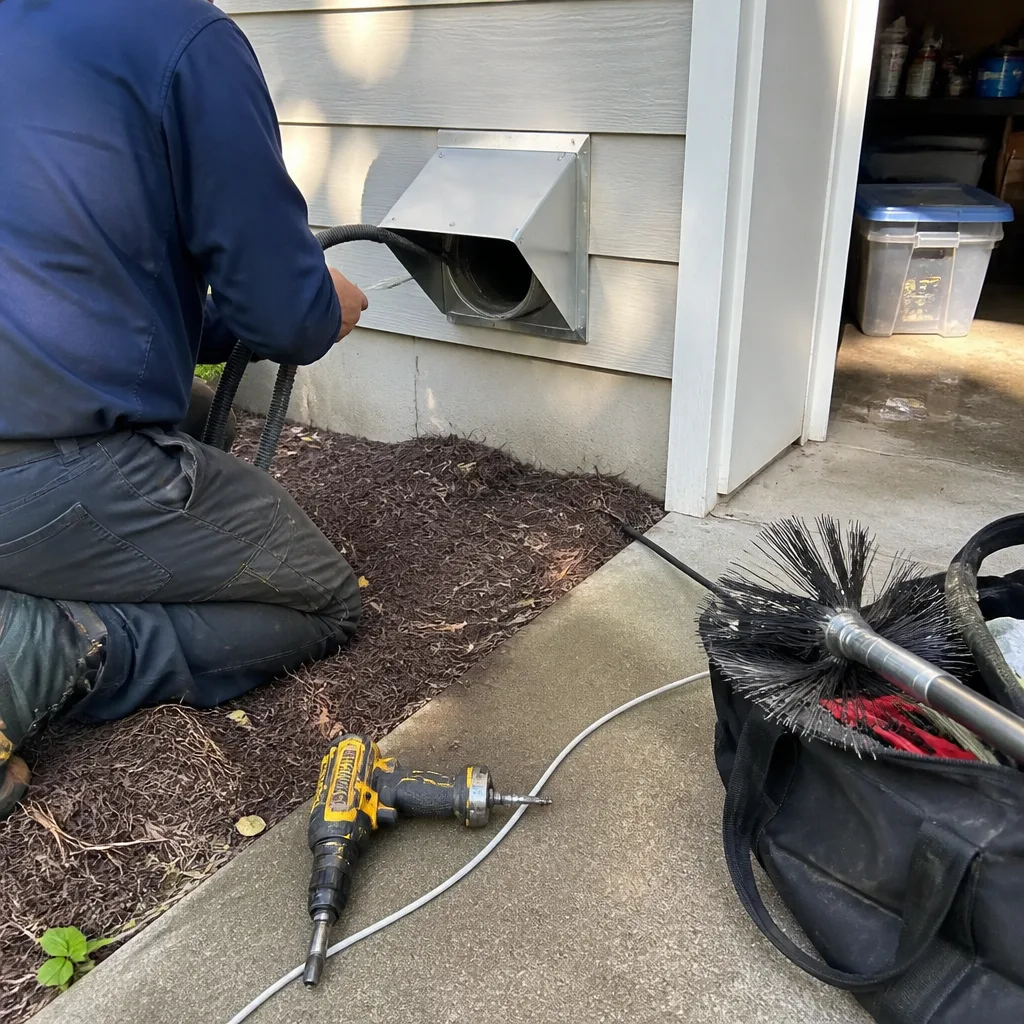
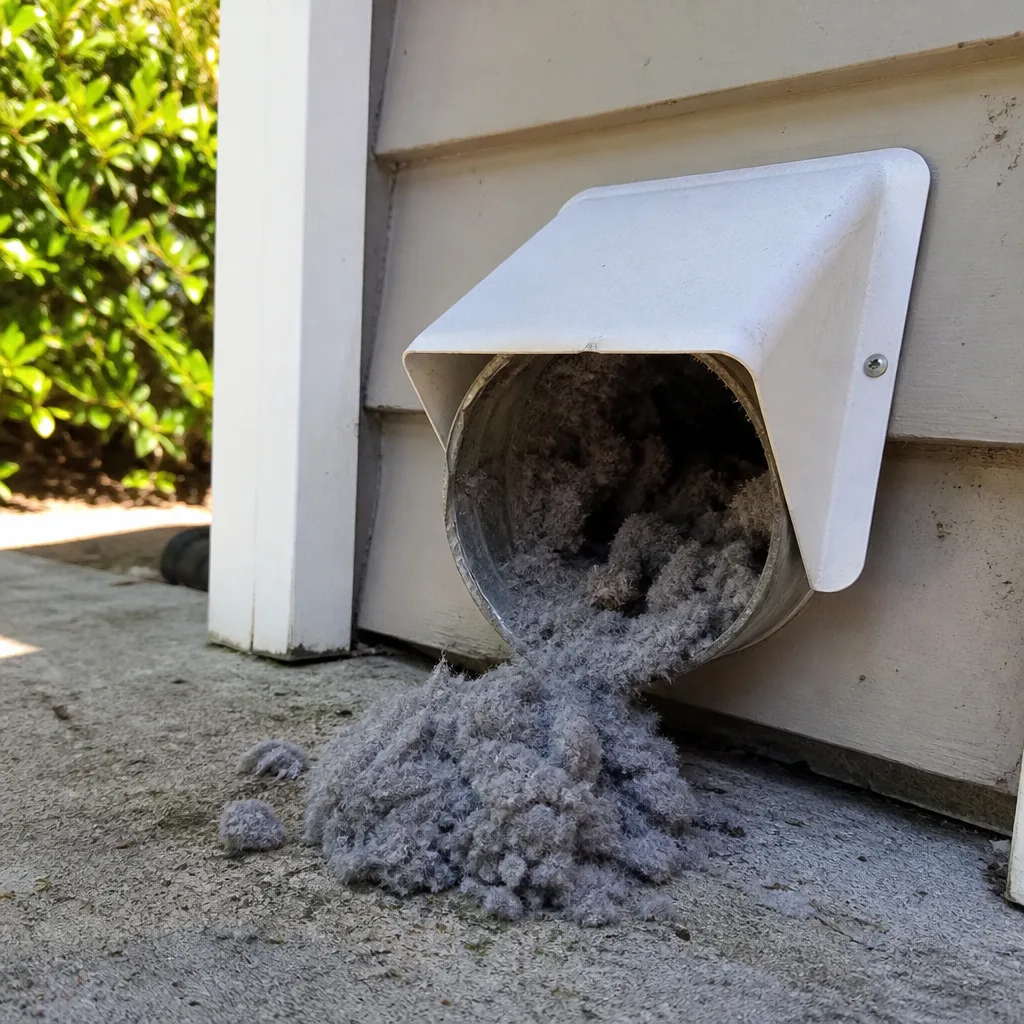 Dryer vent cleaning
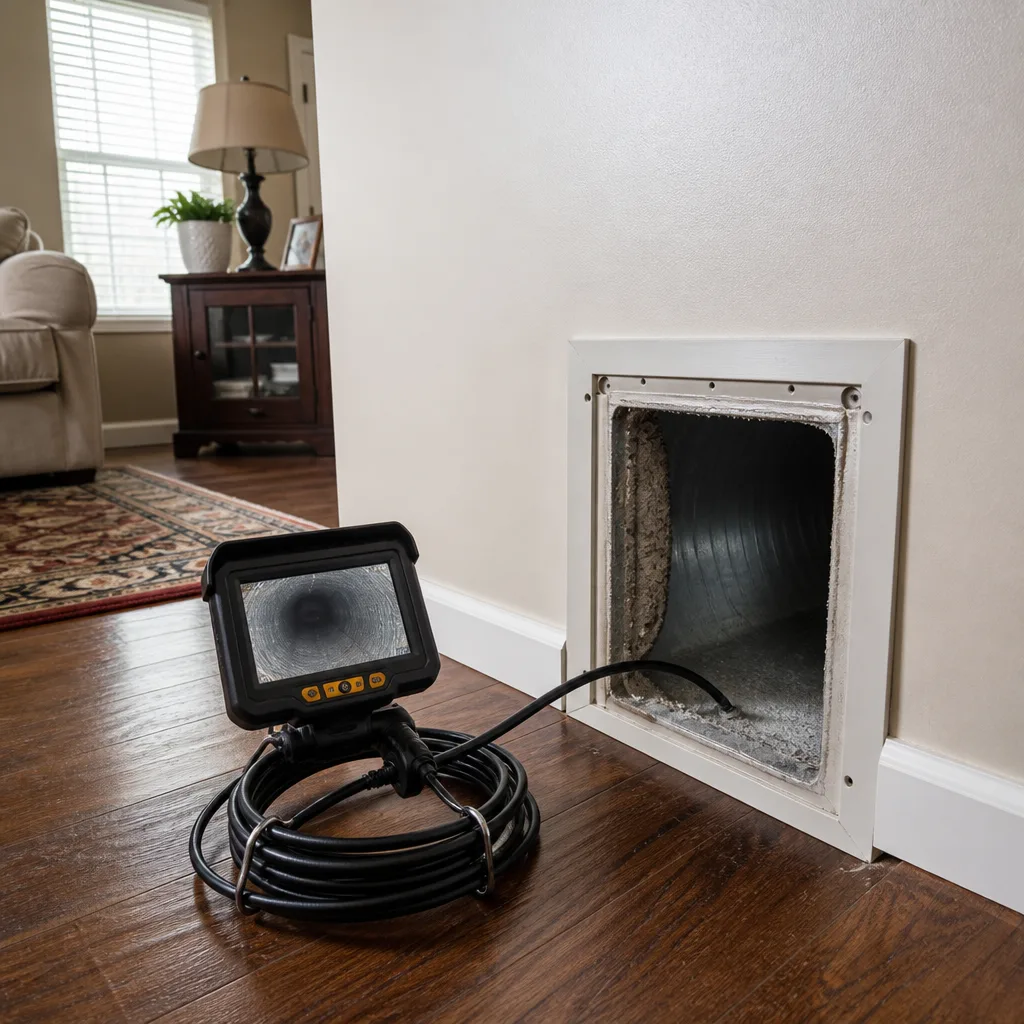 Camera inspection
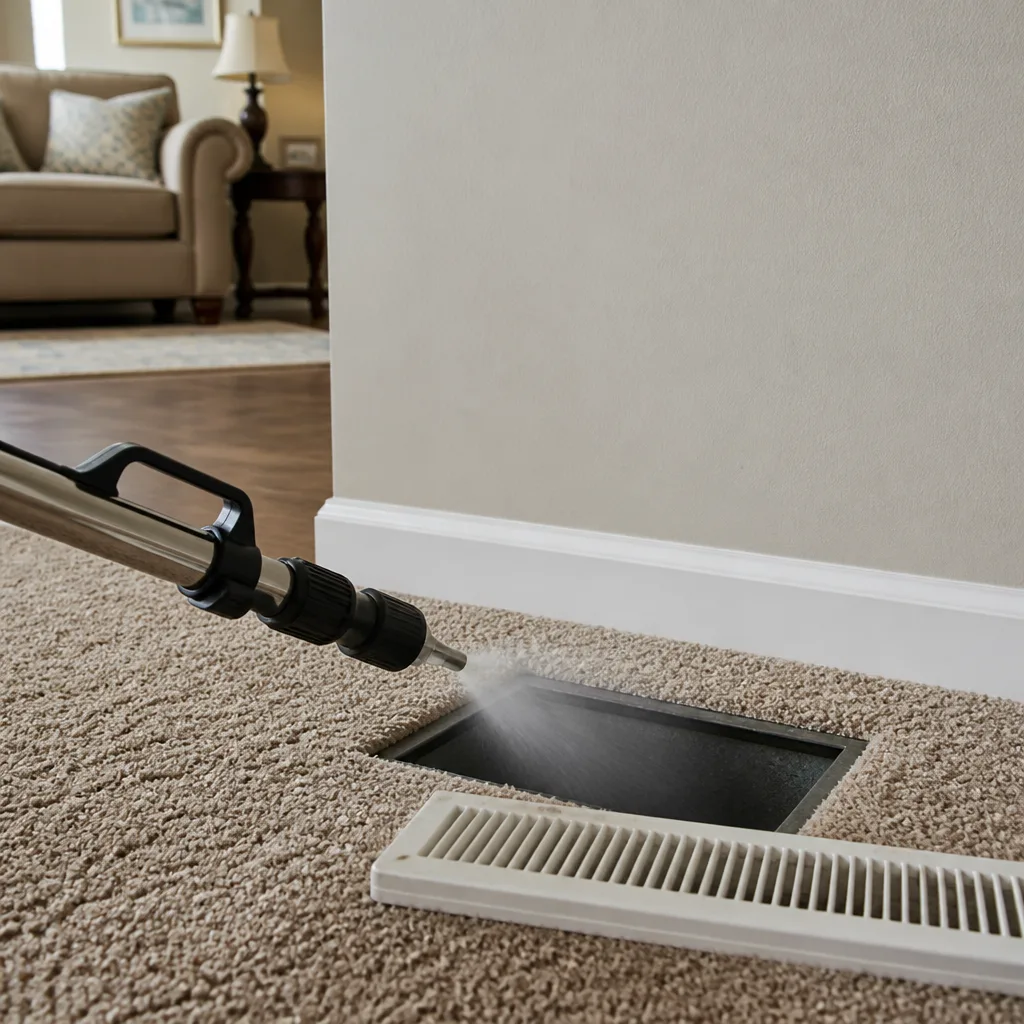 Sanitizing & deodorizing
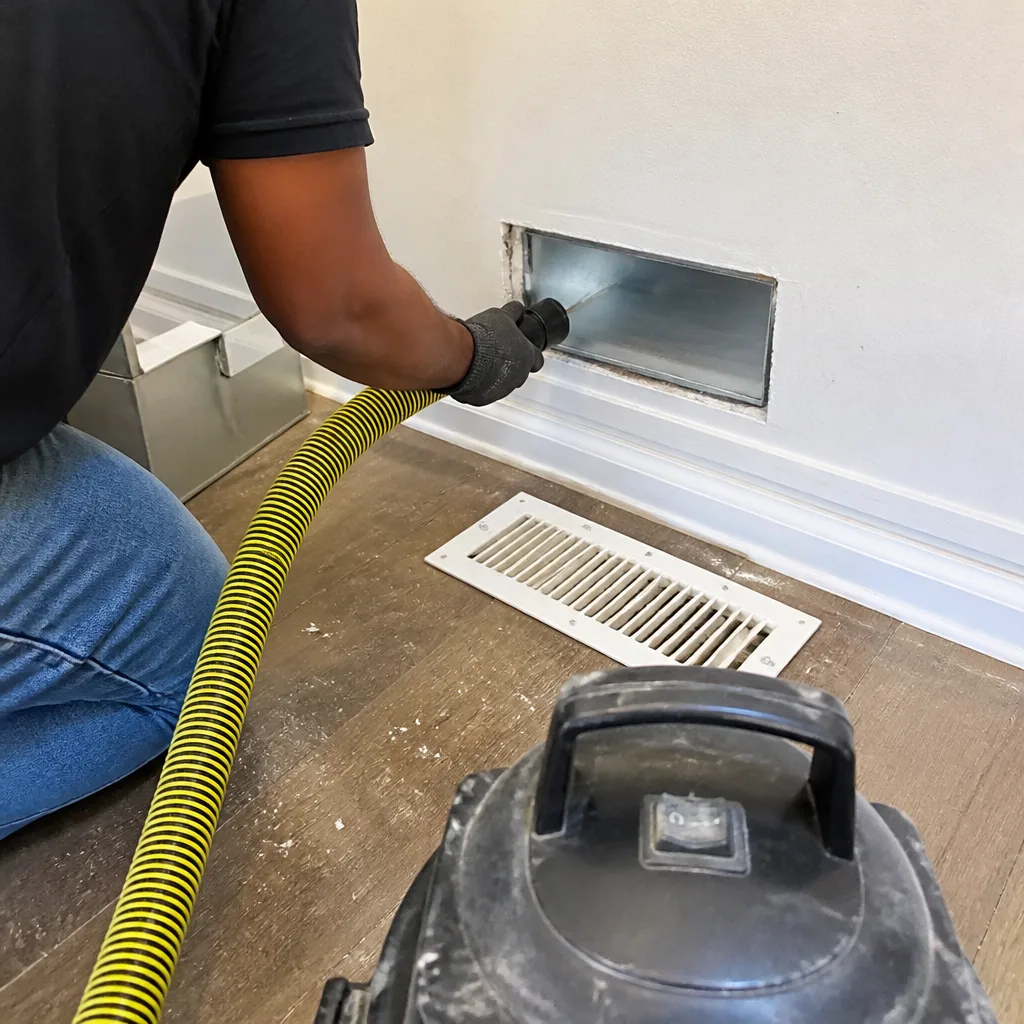
Whole-system duct and dryer vent check with before-and-after photos - you see exactly what came out of your vents
That "$99 whole-house special" is a bait ad - the real number appears once they are in your hallway, or the "clean" is a shop-vac at the register. We photograph the inside of your ducts before and after instead.
The Complete Guide to Air Duct Cleaning in Atlanta
Atlanta ranks in the top five worst U.S. cities for seasonal allergies, yet most air duct cleaning guides read like they were written for Denver. Your ducts don’t live in Denver. They live in a city where oak, pine, and sweetgum pollen blow for six months straight, where red clay dust settles on every surface, and where summer humidity turns the inside of an air handler into a petri dish. This Air Duct Cleaning guide is written from Atlanta, for Atlanta. We’ll walk through exactly what’s happening inside your ductwork, what it costs to fix it, what equipment matters on Atlanta’s older housing stock, and how to read a quote without getting taken. By the end, you’ll know more about duct cleaning than most of the people who sell it.
Styles & brands we work with
Quick Answer
Air duct cleaning in Atlanta costs between $425 and $1,100 for a typical single-family home, with most jobs landing around $600 to $850 depending on home size, system count, and whether dryer vent cleaning gets bundled in. The work takes 3 to 6 hours and should include negative-pressure extraction with HEPA filtration, not just a brush on a drill-something we explore in our DIY vs Professional Air Duct Cleaning: The Atlanta Homeowner’s Decision Guide. In Atlanta’s climate, most homes genuinely need cleaning every 3 to 5 years, though homes with pets, recent renovations, or smokers may need it more often.
Table of Contents
- Why Atlanta Ducts Get Dirtier Than Most American Cities
- What Air Duct Cleaning Actually Is (And What It Isn’t)
- How Much Air Duct Cleaning Costs in Atlanta
- Why Equipment Matters in Atlanta’s Older Homes
- How to Read an Atlanta Duct Cleaning Quote Line by Line
- How Often Should You Clean Your Ducts in Atlanta?
- Signs You Need Air Duct Cleaning Now
- The Air Duct Cleaning Process: Step by Step
- Common Mistakes to Avoid
- When to Call a Professional
- Frequently Asked Questions
- The Bottom Line
Why Atlanta Ducts Get Dirtier Than Most American Cities
Most national guides treat air duct contamination as a single, uniform problem. It isn’t. The reason Atlanta ductwork gets so remarkably fouled comes down to three local factors working together: the pollen calendar, the soil, and the humidity. None of these get fixed by a generic cleaning routine, which is why understanding them matters.
First, the pollen. Atlanta’s tree pollen season starts in February with cedar and runs through May with oak, pine, and sweetgum. That’s not a two-week annoyance; that’s a four-month atmospheric event. Grass pollen follows through June and July, then ragweed kicks in from August through first frost. For roughly eight months of the year, Atlanta air is loaded with particulate. Your HVAC system pulls that air through the return ducts on every cycle. Pollen grains are sticky and statically attracted to duct surfaces. In our experience cleaning Atlanta systems, we routinely find a quarter-inch layer of compacted pollen film inside return ducts by midsummer, especially in homes with single return systems in hallways.
The second factor is Georgia red clay. It’s incredibly fine, mineral-rich dust. It enters homes on shoes, pets, and through open windows. Once airborne, it behaves like pollen: it gets pulled into the return path and clings. Mixed with the pollen residue and normal household dust, red clay forms a cohesive matrix that resists normal air velocity. It does not blow free on its own; it has to be mechanically dislodged.
The third factor is the humidity. From April through October, Atlanta’s dew point stays above 60 degrees most days. That means the inside of your ductwork, especially the return side and the evaporator coil cabinet, is often cool enough and moist enough to support microbial growth. When organic matter (pollen is organic matter) sits in that moisture-rich environment, it doesn’t just dry; it colonizes. The result is a musty smell that comes back every August no matter how many scented candles you burn.
None of this is alarmist. It’s what technicians see every single day in Atlanta. Your ductwork is a filter housing, and in this city, the filter has a lot of work to do.
What Air Duct Cleaning Actually Is (And What It Isn’t)
Air duct cleaning is the mechanical removal of built-up contamination from the entire HVAC airflow path: the supply ducts that push conditioned air into rooms, the return ducts that pull room air back to the furnace or air handler, the supply and return plenums, the blower fan and motor, the evaporator coil, and the grilles and registers you see in your walls and ceilings. A proper job uses agitation to loosen debris and negative-pressure extraction, meaning the loosened debris goes into a vacuum, not back into your living room, to remove it from the system.
Here’s what air duct cleaning is not: it’s not a spray treatment. It’s not a fogging service alone. It’s not changing your air filter. It’s not a magic cure for allergies or asthma. Those treatments can help as an adjunct, but the core service is physical removal of accumulated material.
The industry standard for the work is set by the National Air Duct Cleaners Association (NADCA). A NADCA-compliant cleaning covers every non-porous surface in the HVAC system: the interior surfaces of the supply and return ductwork, the coil, the blower, the drain pan, the plenums, and the registers. If a company quotes you a price for “duct cleaning” without mentioning the coil or blower, they’re planning to skip the most contaminated components.
In Atlanta specifically, the coil is critical. Our humidity means coils run wet almost constantly from April onward. Wet coils trap pollen and dust and form a glazed layer of biofilm. Cleaning the ducts without cleaning the coil is like washing the dishes but leaving the greasy pan on the stove.
Here’s the equipment breakdown that matters. There are two general approaches to duct cleaning: truck-mounted vacuum systems and portable HEPA systems like the Nikro units we use. Truck-mounted systems are powerful but often too large to get close to the duct runs in Atlanta’s older homes. Portable units, when they are true HEPA-filtered and powerful enough, can be placed directly at the point of airflow, which is often the better tool for a 1980s Decatur split-level with a crawl space. We use Nikro HEPA extraction units paired with Rotobrush rotary brush systems for agitation. The brush loosens what the vacuum removes, and the HEPA filtration ensures the exhaust air leaving the machine is cleaner than the air in the house. That’s a measurable difference, not a slogan.
How Much Air Duct Cleaning Costs in Atlanta
Air duct cleaning in Atlanta typically costs between $425 and $1,100, with most standard single-family homes priced between $600 and $850. The final number depends on home square footage, number of systems, number of returns, and whether your home has a crawl space or attic trunk lines. Let’s break that into real numbers you can use.
Here’s a typical price structure for Atlanta homes:
- Small home or condo (under 1,200 sq ft, one system, 6-8 vents): $425 to $600
- Mid-size home (1,200 to 2,500 sq ft, one system, 8-12 vents): $600 to $850
- Large home (2,500+ sq ft, two systems, 12-20 vents): $850 to $1,100
- Each additional system or air handler: $150 to $250
- Dryer vent cleaning (added on): $75 to $150
- Antimicrobial fogging treatment: $100 to $200 per system
These prices assume a NADCA-style full-system cleaning, not just a vent-and-return wipe-down. If someone quotes you $199 for a whole house in Atlanta, that’s a bait price. The standard play is to get into the house, “discover” problems, and inflate the bill before any real cleaning happens. We’ll cover how to read a quote below so you know exactly what’s included.
At Cardinal Air Duct Atlanta, we quote one flat price per system before any work starts. That price is written down and handed to you. It does not change at the door, and it does not grow when the technician “finds something.” The price we write is the price you pay. That’s the Air Duct Cleaning in Atlanta standard we operate under, and it’s non-negotiable.
If you’re comparing quotes, make sure each one lists the same scope. The cheapest quote almost always omits the coil, the blower, or the return plenums. That’s not a discount; that’s a partial job.
Why Equipment Matters in Atlanta’s Older Homes
Atlanta’s housing stock is not uniform, and equipment choices that work in new construction fail in 1980s Decatur split-levels or 1950s ranch houses in Chamblee. Here’s why.
Older Atlanta homes were built with crawl spaces. The supply trunk lines run through those crawl spaces. Over decades, those metal ducts in damp, clay-floored crawl spaces sweat, rust, and pull in dirt. The return trunks in these homes are often short, single-return runs that pull hard and concentrate contamination at one point. Cleaning these systems requires equipment that can fit into tight, low-climbing spaces and still deliver enough negative pressure to pull loosened debris out of a 40-foot run.
Truck-mounted vacuum systems are the industry standard in many parts of the country. They run off a diesel or gas engine mounted in a van, generating enormous suction through a 12-inch hose dropped into the home. In some Atlanta homes, especially larger houses with wide-open attic access or a single trunk line, a truck-mounted system works well. But in crawl-space homes with multiple short runs and limited access, the big hose is often too large to maneuver close to the work. The result is a setup that’s powerful but positioned too far from the action, which reduces effective extraction where it matters most.
That’s why we chose portable Nikro HEPA units and Rotobrush rotary brush systems. The Nikro unit gets placed at the point of airflow, often inside the crawl space or right at the unit, and pulls a true HEPA-filtered negative pressure zone directly at the duct opening. The Rotobrush head spins stiff nylon brushes through the duct interior, physically agitating the pollen-and-clay matrix we described earlier. Between the two, the contamination gets dislodged and removed at the source, which matters in Atlanta’s unique duct geometry.
This isn’t a matter of preference. It’s a matter of what works in the houses Atlanta actually has. If you’re in a Buckhead estate with a sealed attic system, the calculus may be different. If you’re in a 1970s ranch in Tucker with a belly crawl and a standing-water problem, the portable gear is decisive.
How to Read an Atlanta Duct Cleaning Quote Line by Line
Most homeowners can’t tell the difference between a thorough quote and a creative writing exercise. Here’s how to read an Atlanta duct cleaning quote like someone who knows what they’re looking at.
- “Supply registers” or “supply vents” – These are the vents that blow conditioned air into your rooms. They should be counted, and the count should match what’s in your home. In a 2,000 sq ft Atlanta home, expect 8 to 12 supply vents.
- “Return grilles” or “returns” – These are the larger vents that pull air back into the system. Most Atlanta homes have one to three. If a quote lists one return and you have two, the quote is wrong or the company didn’t look.
- “Supply plenum” and “return plenum” – The plenums are the metal boxes that connect the main duct trunk to the furnace or air handler. In Atlanta’s humid climate, the return plenum is often the dirtiest component because it catches everything upstream of the filter. A serious quote includes both.
- “Air handler cleaning” or “blower cleaning” – This is the indoor unit itself: the blower wheel, the motor housing, the filter slot, and the cabinet interior. If this line is missing, walk away. In our experience cleaning Atlanta systems, the blower wheel on a 10-year-old system can lose 20% of its airflow to accumulated crud before the homeowner notices anything at all.
- “Evaporator coil cleaning” – The coil is the air conditioner’s cold heart. In Atlanta, it runs wet from May to October and collects a biofilm that cuts efficiency and feeds mustiness. A quote that excludes coil cleaning is a quote for half a job.
- “Dryer vent” – This is a separate service. Some companies bundle it; some don’t. If it’s listed at $149 on top of a $599 duct cleaning, that’s fair. If it’s not listed and you have a dryer, ask.
- “Antimicrobial treatment” or “sanitizing fog” – This is a post-cleaning misting application that slows microbial regrowth inside the ductwork. Given Atlanta’s April-through-October humidity, we price this out on every job. It’s not mandatory, but the climate case for it is stronger here than nearly anywhere else in the country.
Read each line. If the quote is just “duct cleaning: $X” with no breakdown, ask for the breakdown. A company that can’t list what they’re cleaning probably isn’t planning to clean it all.
How Often Should You Clean Your Ducts in Atlanta?
The standard industry recommendation is every 3 to 5 years. For Atlanta, we’d tighten that. Here’s the reality on the ground.
If you have trees on your property, especially oaks or sweetgums, and you run your air conditioning from March through October, your ductwork sees heavier particulate loading than the national average. Homes with pets, children, or anyone in the house who smokes should consider every 2 to 4 years. Homes with a recent renovation should be cleaned after the renovation is complete; construction dust is finer and more invasive than household dust, and it will coat every surface in the system, coil included.
Here’s a more useful way to think about it:
- Every 2 to 3 years: Homes with multiple pets, smokers, or recent construction work.
- Every 3 to 5 years: Most Atlanta homes with mature trees nearby and normal occupancy.
- Every 5 to 7 years: Homes with excellent filtration (MERV 11+), no pets, no smokers, and occupied by one or two adults.
Filter quality matters more than most people realize. A cheap fiberglass filter catches about 20% of airborne particles. A MERV 11 pleated filter catches closer to 65%. If you upgrade your filter habit, you extend the interval between cleanings. But no filter catches everything, and in Atlanta, the stuff that gets through builds up regardless.
One more Atlanta-specific factor: if your home has a crawl space and that crawl space is damp or open to the outdoors, your ducts are pulling in more than just indoor air. The trunk lines in a damp crawl space can pull soil vapor and airborne mold spores directly into the ducts. We’ve opened crawl-space systems in Atlanta where the duct interior looked like a terrarium. In homes like that, every 3 years is a reasonable interval, and sealing the crawl space is a conversation worth having.
Signs You Need Air Duct Cleaning Now
You don’t need a scope camera to know something’s wrong. Here are the signs we tell homeowners to watch for in Atlanta, because they often point to duct contamination rather than mechanical failure.
- Dust returning within days of cleaning the house. If you dust the living room and it’s filmed over again in 72 hours, the material is coming from somewhere, and the ducts are usually the source.
- Airflow from one or two vents is noticeably weak. A partially blocked duct can starve a room of air. If one bedroom is always ten degrees off, suspect the duct run feeding it.
- Musty smell on startup. That first blast of air when the AC kicks on in May carries a smell you never noticed in April. That’s biological material in the coil and ducts waking up with the heat.
- Visible dust streaks around the vent covers. Look at the ceiling or wall around your supply vents. Gray or black streaks indicate particulate being blown out of the vent housing.
- Unexplained increase in the electric bill. A clogged coil and blower have to work harder to move the same amount of air, and that costs you money every single month.
- You moved into an older Atlanta home. If you bought a 1980s Decatur split-level and have no records of duct cleaning, assume it hasn’t been done. The previous owner probably didn’t do it either.
The Air Duct Cleaning Process: Step by Step
Here’s what a proper air duct cleaning looks like from start to finish, described exactly as we perform it in Atlanta homes.
- Scope and agreement. The technician walks the system, counts the vents and returns, locates the air handler and coil, and checks the crawl space or attic access. You get a written price before any work starts. If anything changes, you approve the change before the work proceeds.
- Containment and protection. The technician lays floor protection from the entry point to the equipment. If the crawl space or attic is tight, boot covers and drop cloths are standard.
- Filter removal and system lockout. The power to the HVAC unit is shut off at the breaker or disconnect. The old filter comes out and goes in the trash.
- Negative-pressure setup. The HEPA vacuum unit, in our case a Nikro, is connected to the supply or return plenum. This creates a continuous vacuum on the system while the cleaning happens.
- Agitation. A Rotobrush rotary brush enters each duct run from the vent opening, spinning stiff nylon brushes against the duct interior. This breaks loose the pollen, clay dust, and organic film that air alone won’t move.
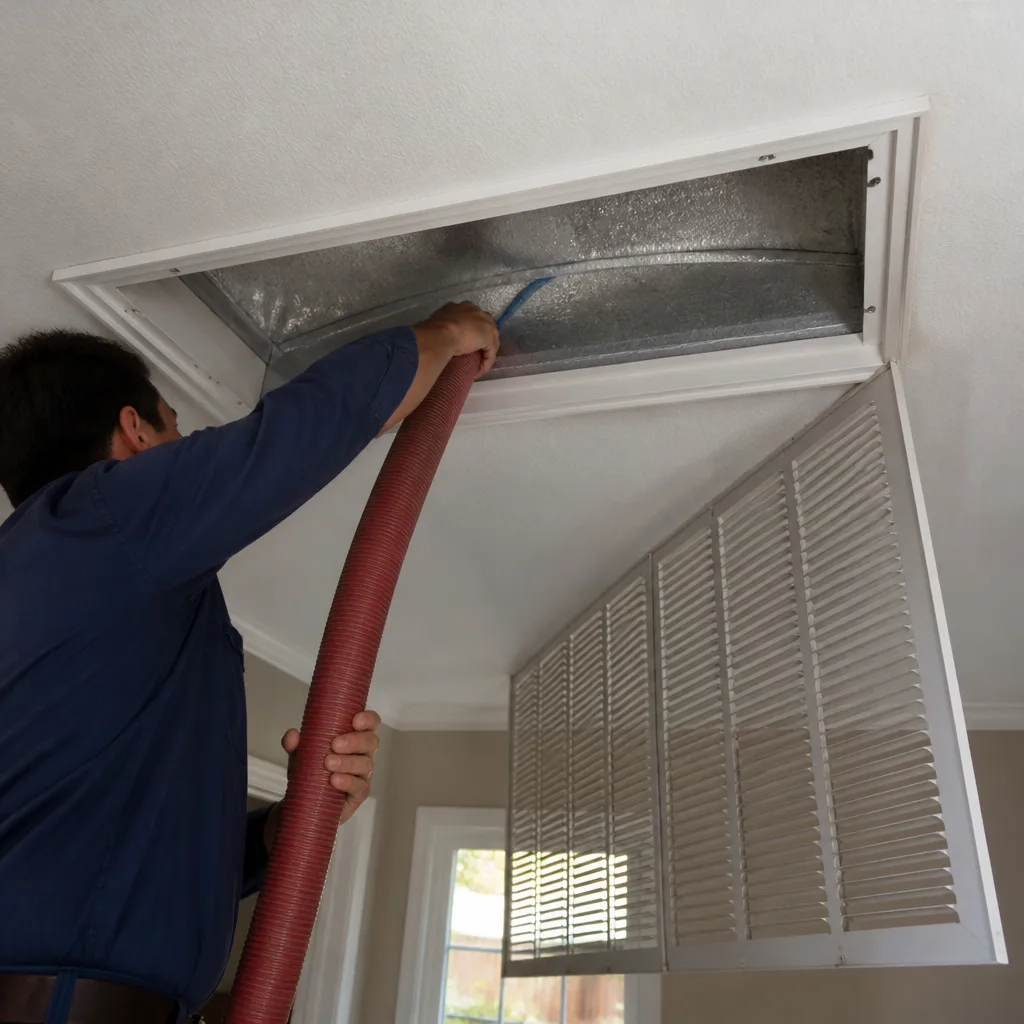
- Extraction. As the brush loosens material, the negative pressure pulls it toward the HEPA unit. The loosened debris goes into the vacuum, not back into your living room. The HEPA filtration on the exhaust side means the air returning to the house is cleaner than the air being pulled in.
- Coil and blower cleaning. The technician opens the air handler and cleans the evaporator coil, blower wheel, blower motor housing, and drain pan. In Atlanta’s humidity, this step is non-negotiable.
- Plenum and register cleaning. The large metal trunks and the vent covers are wiped, brushed, and wiped again. The registers come off the wall, get cleaned, and get reattached.
- Optional antimicrobial application. If you opted for the treatment, an EPA-registered antimicrobial is misted into the ductwork. This is the step we recommend pricing out in Atlanta specifically because of the April-to-October moisture window.
- Filter replacement and system test. A new filter of the correct MERV rating goes in. The power goes back on. The system cycles and the technician verifies airflow at multiple vents.
- Documentation. You receive a before-and-after photo set, a written record of what was cleaned, and a digital invoice you can pay from your phone. That’s the Relay Standard booking experience we operate under: live trackable arrival, photo proof of the work, and no mystery anywhere in the process.
The whole job takes 3 to 6 hours for a typical Atlanta home. If a company tells you they can clean your entire system in 45 minutes, they’re not cleaning your system; they’re vacuuming your vent covers.
Common Mistakes to Avoid
- Hiring on price alone. The $199 whole-house special in Atlanta is a classic bait-and-switch. The technician arrives, “finds” mold, and suddenly the bill is $900. A serious cleaning costs what it costs; the bait price was never real.
- Skipping the coil. If your quote doesn’t include evaporator coil cleaning, you’re paying to clean the pipes but leaving the source of the mustiness untouched. In Atlanta’s humidity, the coil is the single most important component.
- Ignoring the crawl space. Atlanta homes with crawl-space trunk lines have contamination entering from below, not just from the living space. Cleaning the ducts without addressing the crawl space means the problem returns faster than it should.
- Believing the “ducts don’t need cleaning” myth. Yes, there’s a counter-argument that duct cleaning is overhyped. It comes from a 1997 EPA study that has been widely misrepresented. The EPA itself now says duct cleaning can be appropriate when there’s visible mold growth, vermin infestation, or excessive dust and debris. In Atlanta, the excessive dust and debris part is practically guaranteed after a few years.
- Upgrading the filter and calling it a day. A better filter is good preventive practice, but installation timing matters. A filter upgrade does not remove five years of accumulated material from the coil and blower.
- Not getting before-and-after photos. You should be able to see exactly what was in your ducts before and what they look like after. If a company won’t show you the inside of your own ducts, that’s not shyness. That’s evasion.
When to Call a Professional
Call a professional when you see dust returning within days of cleaning, when one or more rooms are chronically stuffy, when the musty smell on startup doesn’t go away, or when you’ve lived in the home for three or more years without a duct cleaning in Atlanta. If you just finished a renovation, call before you move back in. If you have respiratory issues or someone in the house has allergies, the calculus tips toward acting sooner rather than later. Cardinal Air Duct Atlanta offers honest, upfront pricing with a written quote before any work starts. Call (470) 408-4927 for a free estimate, and we’ll give you a real number and a real scope of work without the pressure, or explore our more guides & resources first.
Frequently Asked Questions
Yes, in most Atlanta homes, air duct cleaning is genuinely necessary every 3 to 5 years because of the city’s eight-month pollen calendar, fine red clay dust, and high-humidity summers, which combine to contaminate ductwork faster than in drier climates. A home with pets, smokers, or recent renovation work may need cleaning more often. Call (470) 408-4927 for an honest assessment.
Air duct cleaning in Atlanta costs between $425 and $1,100 for most single-family homes, with the typical job falling between $600 and $850 depending on home size, number of systems, and whether additional services like dryer vent cleaning are included. Be suspicious of quotes under $300; they’re usually bait. Call (470) 408-4927 for a straight price in writing.
Cheaper quotes in Atlanta usually omit the evaporator coil, the blower wheel, or the return plenums, or they’re bait prices designed to escalate once the technician is in the home. A serious quote lists the supply and return plenums, the air handler, the coil, and the registers. If the quote has no breakdown, ask for one. Call (470) 408-4927 for a detailed scope and a written price before any work starts.
You should receive before-and-after photos of the inside of your ductwork, the coil, and the blower wheel, and the work should take at least 3 hours for a typical home. Any company that won’t show you the before-and-after, or that finishes in under an hour, probably didn’t do the job. Cardinal Air Duct Atlanta provides photo documentation on every job.
You can change your air filter and vacuum your vent covers, and that’s worth doing, but mechanical cleaning of the full duct system, coil, and blower requires professional equipment and training. Consumer vacuums cannot reach 20 feet into a duct run, and they lack the negative pressure needed for genuine extraction. In Atlanta’s humidity, the coil alone is a component most homeowners should not attempt to clean themselves.
In Atlanta, antimicrobial fogging is worth considering because the April-through-October humidity window creates ideal conditions for microbial regrowth inside the ducts; the treatment slows that regrowth after the mechanical cleaning is done. It’s an extra $100 to $200 per system, and we recommend pricing it out in this climate. It is not a substitute for cleaning; it’s an add-on.
Air duct cleaning can reduce the concentration of pollen, dust mite debris, and mold spores circulating in your home, which may help some Atlanta allergy sufferers, but it’s not a cure and the effect depends on what’s actually in your ducts. If you’ve lived in the same home for five years without a cleaning, the reduction in airborne particulate is often noticeable right away. Call (470) 408-4927 to find out what’s in your system.
The Bottom Line
Atlanta’s climate does things to ductwork that generic national guides simply don’t account for. Eight months of pollen, red clay dust, and humidity that never quits mean your ducts are working harder and getting dirtier faster than the national average. A proper duct cleaning in this city costs $425 to $1,100, takes three to six hours, and includes the coil, the blower, and the plenums, not just the vents. Skip the bait pricing, read your quote line by line, and expect before-and-after photos. If you’re ready to see what’s actually in your ducts, we’re ready to show you.
Call Cardinal Air Duct Atlanta at (470) 408-4927 for a written quote and a real scope of work, no pressure and no games.
Written by Omar Haddad, Owner at Cardinal Air Duct Atlanta, serving Atlanta since 2005.
See the difference
 Before
 After
After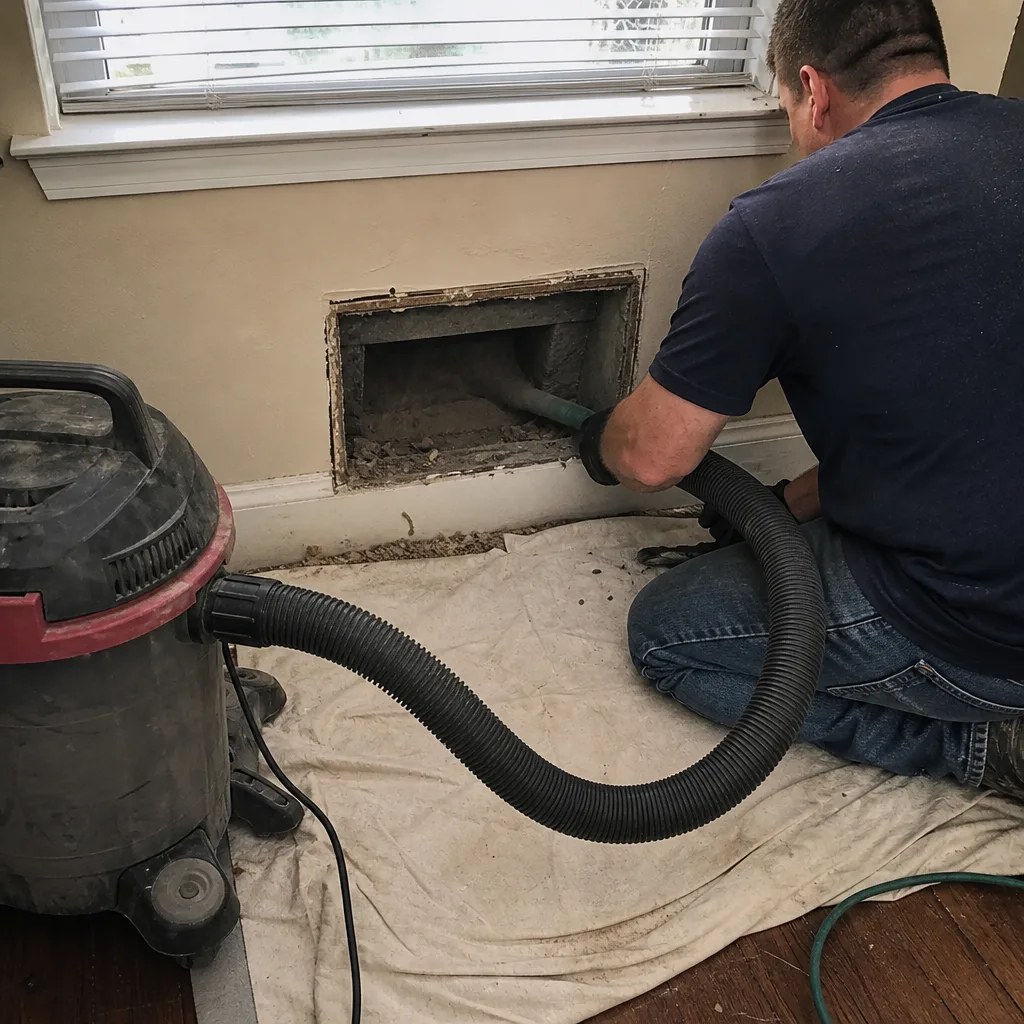 Before
 After
After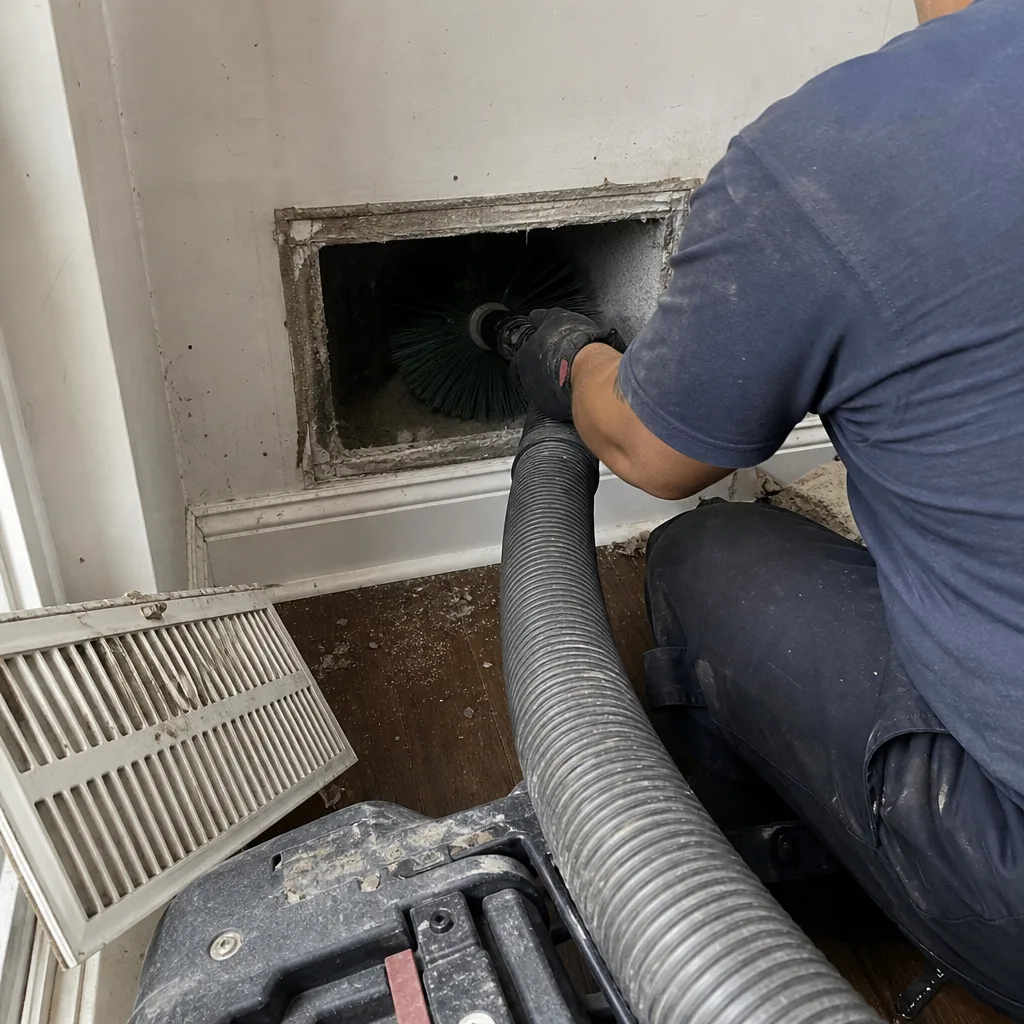 Before
 After
After