
Last updated October 15, 2026
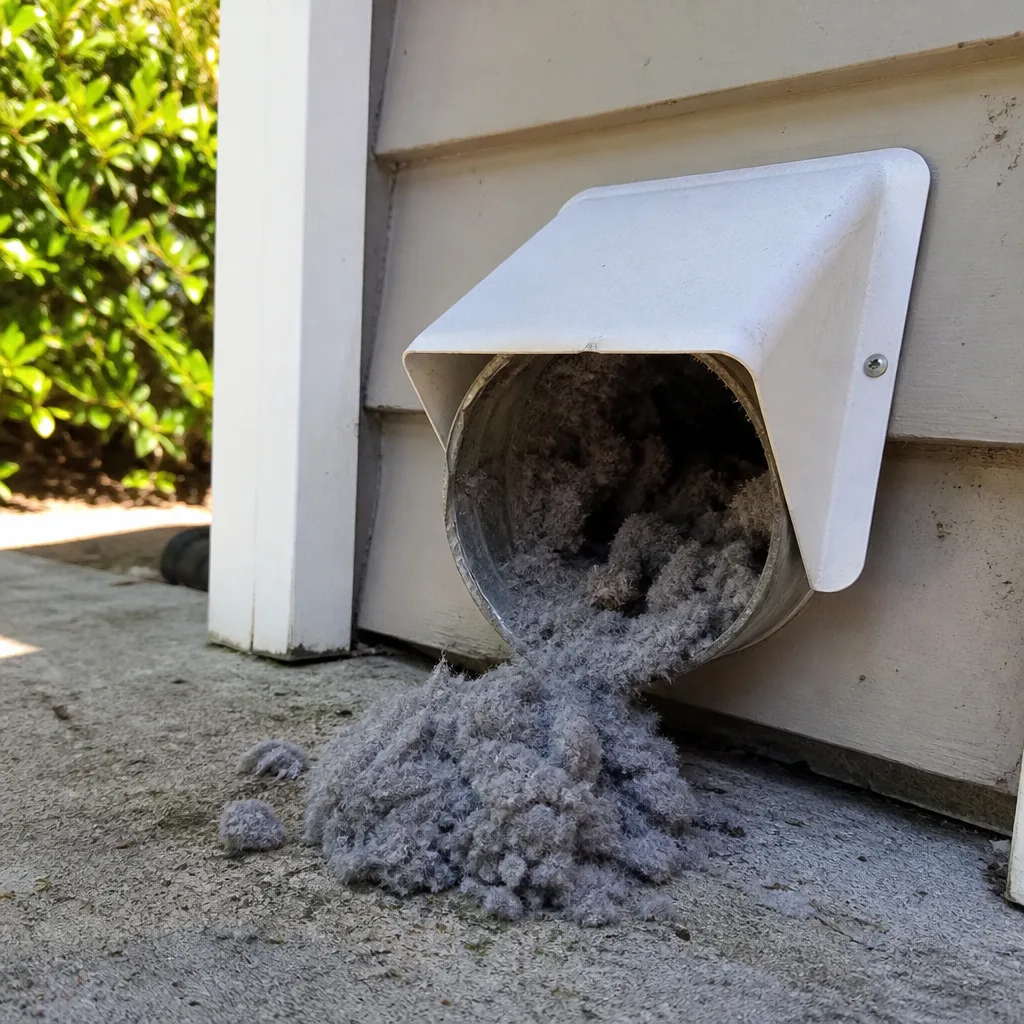 Dryer vent cleaning
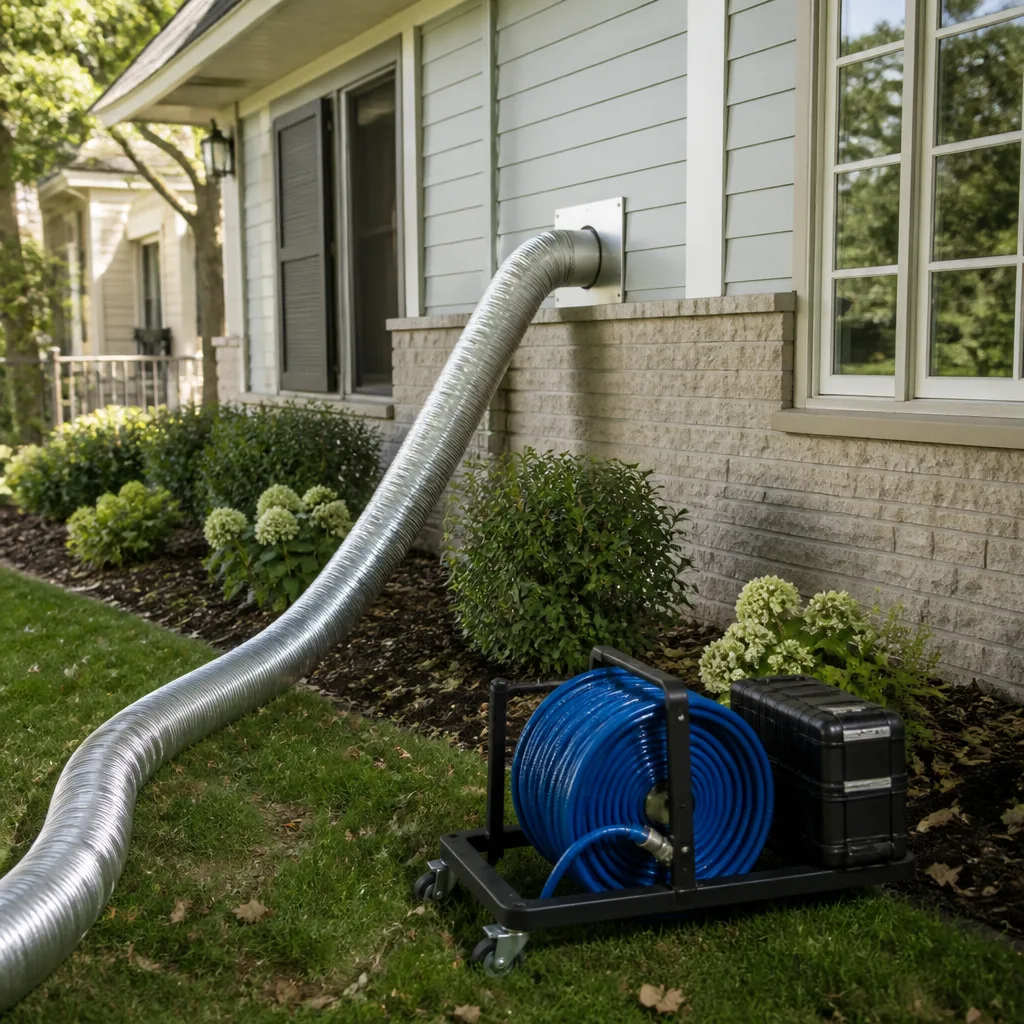 Whole-home duct cleaning
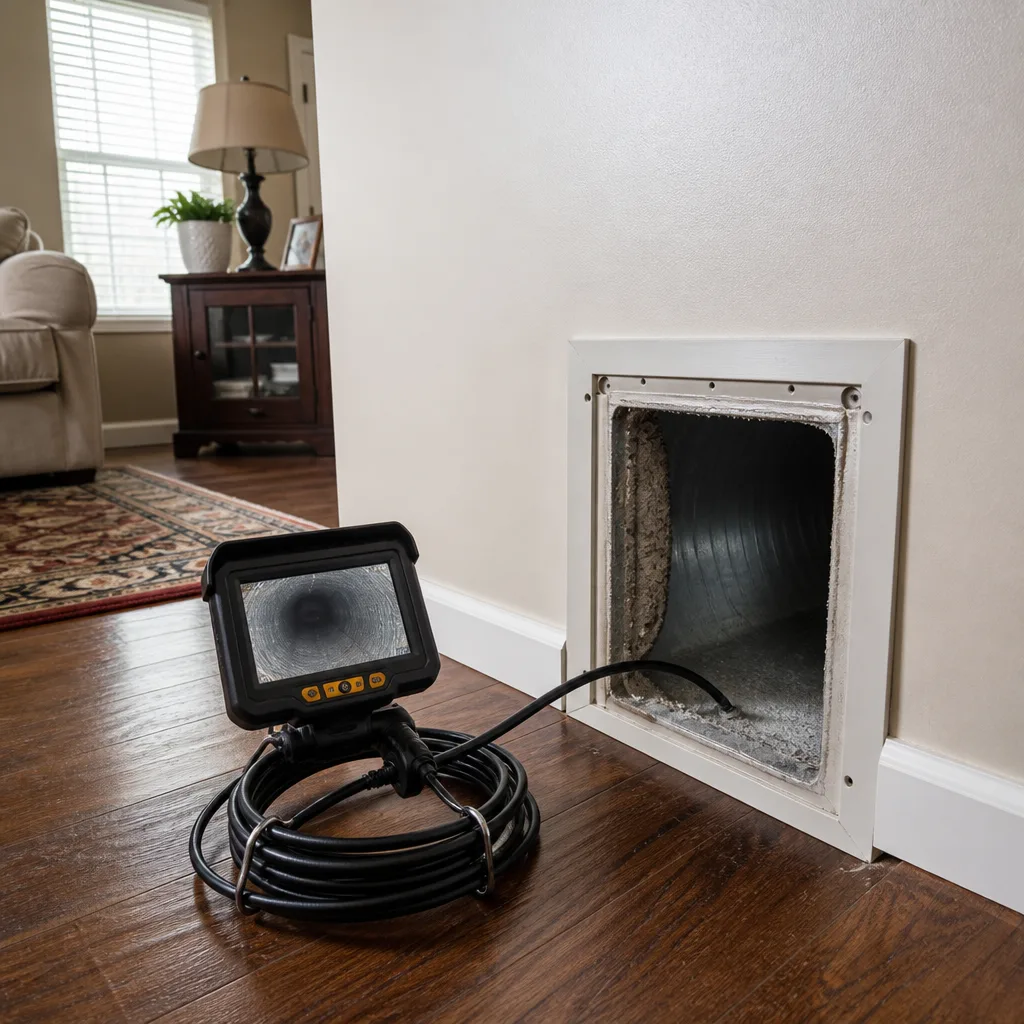 Camera inspection
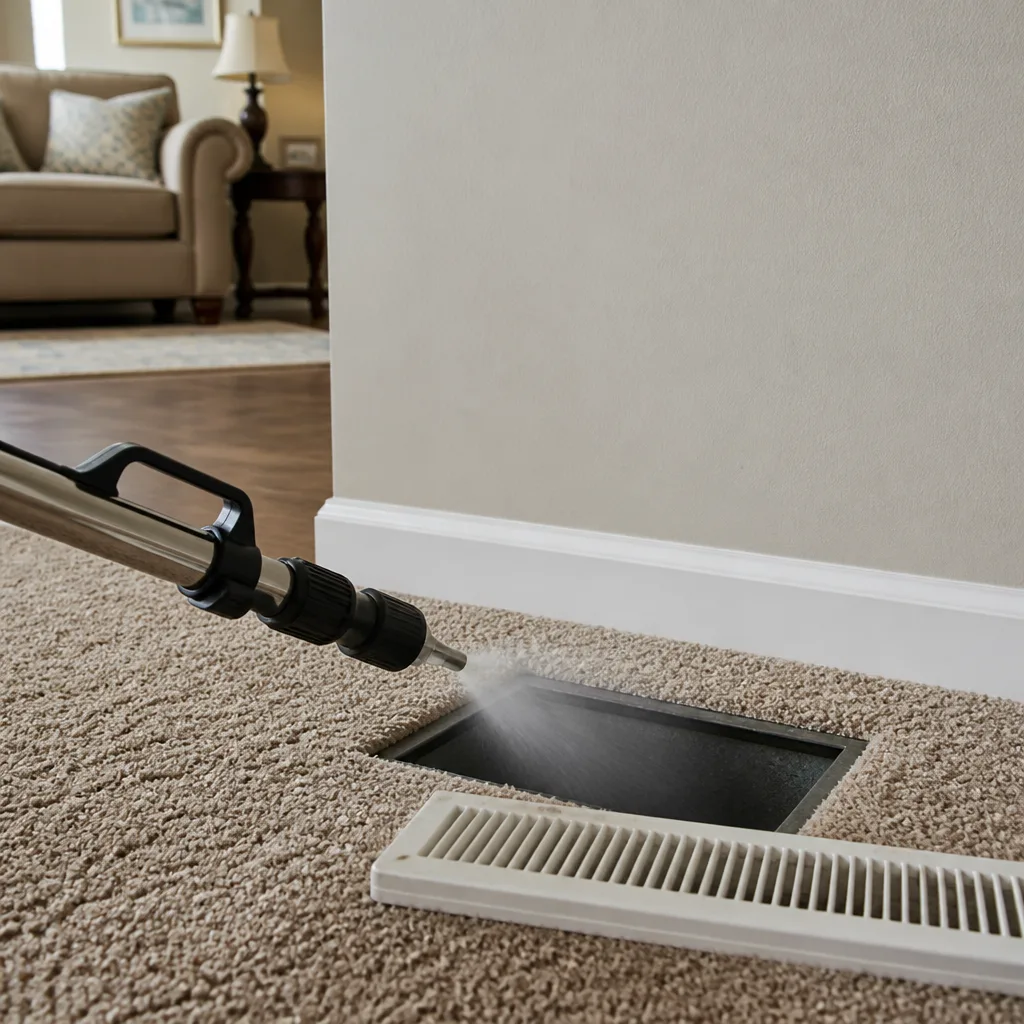 Sanitizing & deodorizing
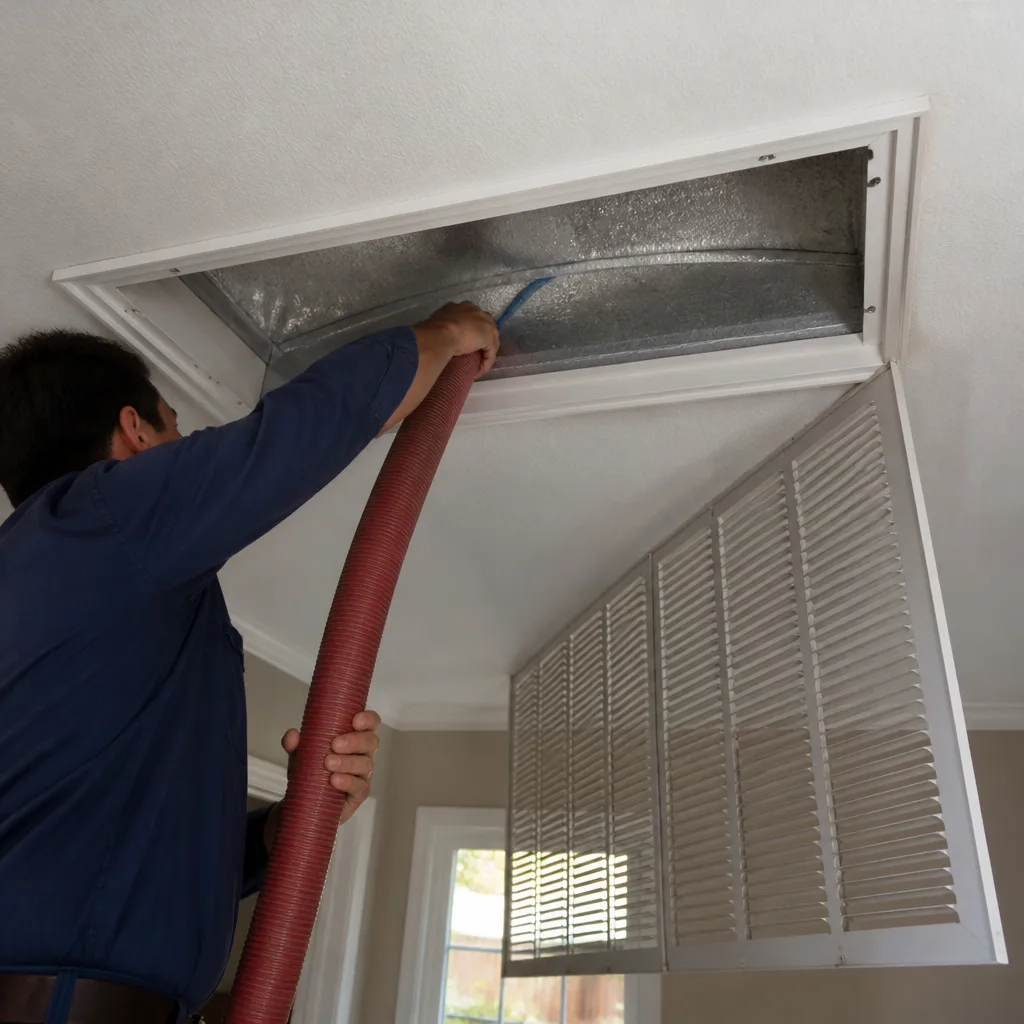
Whole-system duct and dryer vent check with before-and-after photos - you see exactly what came out of your vents
That "$99 whole-house special" is a bait ad - the real number appears once they are in your hallway, or the "clean" is a shop-vac at the register. We photograph the inside of your ducts before and after instead.
Dryer Vent Cleaning Maintenance Checklist for Atlanta Homeowners
The U.S. Fire Administration logs roughly 2,900 dryer fires every year, and the leading cause is not a faulty appliance. It is a vent that nobody cleaned. Atlanta’s townhome and condo boom over the last two decades means thousands of households now run dryers through 20-foot-plus vent paths with multiple bends, shared wall cavities, and rooftop terminations. Most generic maintenance checklists were written for a suburban laundry room with a four-foot straight pipe out the back wall. That checklist fails in Atlanta. This guide is written for the homes actually being built and bought here: townhomes in Brookhaven, stacked condos in Midtown, older bungalows in Decatur, and everything in between. You will learn what to check every season, how to test your vent before it fails, what Atlanta’s humidity does to lint, and when the only correct move is to schedule our Dryer Vent Cleaning services.
Styles & brands we work with
Quick Answer
A dryer vent cleaning maintenance checklist for Atlanta homeowners means checking the exterior vent cap monthly for airflow and obstructions, testing dry time on every load, clearing the lint trap before each cycle, and scheduling a professional cleaning every 12 months for single-family homes or every 6 months for townhomes, condos, and any home with a vent run longer than 10 feet or with more than two bends. If one load now takes 60 minutes to dry when it used to take 40, the vent is already partially blocked and needs attention before it becomes a fire hazard.
Table of Contents
- Why Atlanta Dryer Vents Fail Differently
- The Seasonal Dryer Vent Cleaning Checklist for Atlanta
- The Drying Time Test: A 5-Minute DIY Benchmark
- Why Atlanta Townhomes and Condos Need Double the Frequency
- Birds, Wasps, and Atlanta’s Vent Cap Problem
- What a Professional Dryer Vent Cleaning Invoice Should Itemize
- Common Mistakes to Avoid
- When to Call a Professional
- Frequently Asked Questions
- The Bottom Line
Why Atlanta Dryer Vents Fail Differently
Atlanta’s climate does something specific to dryer lint that a Phoenix or Denver checklist never accounts for. This city swings between humid subtropical summers and damp, mild winters. Lint is mostly cotton and synthetic fiber fragments. When the air is humid, lint absorbs moisture. Moist lint is heavier, stickier, and far more likely to adhere to the inside walls of a vent pipe instead of blowing out the termination cap. In a dry climate, much of the lint that loosens from clothing gets carried all the way outside. In Atlanta, a meaningful portion of it stays behind, coating the inside of the duct like wet paper mache. Over the course of a single summer, layers build up. By October, when the first cool snap arrives and the air dries slightly, those layers harden. That hardened lint is what restricts airflow and what eventually ignites.
We see this pattern every year at Cardinal Air Duct Atlanta home. The same home cleaned in March can show a surprising amount of fresh buildup by September, not because the dryer changed, but because Atlanta’s summer humidity glued more lint to the pipe walls. This is why a seasonal checklist matters more here than in most cities. The vent that was clear in spring is not necessarily clear in fall.
Atlanta’s housing stock adds a second factor. Older single-family homes in neighborhoods like Grant Park, East Atlanta, and Virginia-Highland often have short, straight vent runs through an exterior wall. Those are forgiving. But the townhome and condo construction that dominates new development in places like West Midtown, Chamblee, Sandy Springs, and along the BeltLine routinely runs dryer vents 15 to 30 feet through interior walls, floor joists, and sometimes straight up to a rooftop cap. Every added foot and every bend creates a place for lint to settle. The National Fire Protection Association recommends a maximum dryer vent run of 35 feet, with a 5-foot deduction for every 90-degree bend. A 25-foot run with three bends in a three-story townhome? That effectively exceeds the recommended limit. It was likely signed off because the builder used rigid metal duct and a booster fan, but the margin for lint tolerance is thin. Cleanings need to happen more often, not less.
The Seasonal Dryer Vent Cleaning Checklist for Atlanta
This is the checklist we give to clients who want to stay ahead of the problem between professional cleanings, and you can find more guides & resources on our blog. It is calibrated to Atlanta’s four seasons, which are uneven: a long humid summer, a short crisp fall, a mild but damp winter, and a spring that swings between both. Complete this checklist quarterly. Total time each season: about 10 minutes.
Spring (March – May)
- Inspect the exterior vent cap. Atlanta’s spring brings heavy pollen and the beginning of wasp activity. Walk outside, find the vent termination, and look for a solid flap that opens fully when the dryer runs. Pollen buildup around the edges can make the flap stick. Clean the cap exterior with a damp cloth.
- Run a full load and time it. Use the drying time test described in the next section. Record the number. If it is 10 minutes over your baseline, schedule a professional cleaning before summer arrives.
- Clear the lint trap housing. Remove the trap, clean the screen with warm soapy water, and vacuum the cavity below it with a crevice tool. In Atlanta’s humidity, dryer sheet residue turns gummy and traps lint in the housing, not just on the screen.
- Check the duct behind the dryer. Pull the dryer out a few inches. Look for kinks, crushed sections, or foil accordion duct. Accordion duct is a lint trap by design. If you have it, this is the season to replace it with rigid metal.
Summer (June – September)
- Monthly exterior cap checks. Summer is peak wasp season in Atlanta. Every 30 days, visually confirm the flap opens and no insects are entering or exiting. Do not stand directly under the flap while the dryer runs.
- Monitor dry time on every load. If you notice clothes coming out damp even once, do not ignore it. Humidity amplifies vent problems quickly in July and August.
- Feel the dryer exterior. After a cycle, the dryer body should be warm, not hot. Excessive heat means the machine is working harder than it should because airflow is restricted.
- Check for a musty smell on dried clothes. That odor is not a detergent problem. It is moisture lingering in the drum and vent because the air is not evacuating properly.
Fall (October – November)
- Book a professional cleaning. Fall is the right time for annual service in Atlanta. After a full humid summer, the vent has five to six months of accumulated, hardened lint. Cleaning before winter reduces fire risk during the dryer’s heaviest season.
- Inspect the full visible duct run. If any portion of your vent runs through an accessible basement, attic, or crawlspace, shine a flashlight along it. Look for sagging horizontal sections, disconnected joints, or visible lint dust escaping at seams.
- Confirm the vent cap has a pest screen if you have one. Atlanta has a real chimney and vent cap bird problem (more on this below). A properly fitted screen keeps birds and squirrels out. A clogged screen is a fire hazard, so keep it clean.
Winter (December – February)
- Watch for increased dry time during cold snaps. Atlanta winters are mild but damp. When outdoor temperatures drop, any residual moisture in the vent condenses, making lint clump. This is why February is a common month for stubborn blockages.
- Verify the exterior flap still seals when the dryer is off. Cold air backdrafting through the vent makes the dryer work harder and can introduce moisture into the duct. A flap that stays open is an invitation for cold air and pests.
- Clean the lint trap after every load without exception. This should be a year-round habit, but winter’s heavier fabrics (hoodies, blankets, flannels) produce noticeably more lint per load.
- Schedule a follow-up if you skipped fall. If the previous cleaning was longer than 12 months ago, do not wait until spring. Winter is peak dryer-fire season nationally.
The Drying Time Test: A 5-Minute DIY Benchmark
You do not need a camera, a pressure gauge, or any special tool to know when your dryer vent is failing. You need a stopwatch and one consistent load type. We use towel loads because towels are consistent, heavy, and slow to dry. Here is the benchmark system.
- Establish a baseline. When you know the vent is clean (ideally right after a professional cleaning), run a full load of towels on the dryer’s normal setting. Time it from start to the moment the cycle finishes and the towels are actually dry. Write this number down. For most Atlanta homes with a modern dryer and a clean vent, this lands between 40 and 55 minutes.
- Test monthly. Run the same load type on the same setting. Compare the time.
- Read the result.
- Up to 10 minutes over baseline: Early-stage restriction. The vent is roughly 40 to 60 percent obstructed. If you have not had a cleaning in 12 months, now is the time. If you have a townhome or condo and it has been over 6 months, same answer.
- 10 to 20 minutes over baseline: Moderate to significant blockage. The vent is likely 60 to 80 percent restricted. Clothes may feel slightly damp at the end of the cycle. The dryer is running hotter than designed. Book a cleaning within two weeks.
- 25+ minutes over baseline, or clothes never get fully dry: This is a near-total or complete blockage. The dryer is overheating and may shut itself off, or the thermal fuse may blow. Stop using the dryer until the vent is professionally cleared. This is not a maintenance convenience anymore. It is a fire hazard.
We developed this test because Atlanta homeowners need a signal they can trust before anyone charges them for a service call. The drying time test does not require you to believe a salesman. It produces a number. Compare your number against the thresholds above, and you will know exactly how urgent the situation is.
Why Atlanta Townhomes and Condos Need Double the Frequency
If you live in a single-family home in Atlanta with a short, straight vent run, an annual cleaning is a solid standard. If you live in a townhome, a stacked condo, or any unit where the dryer sits against an interior wall instead of an exterior one, the math changes. We recommend professional Dryer Vent Cleaning in Atlanta every six months for these homes. Here is why.
First, the distance. An interior-wall dryer in a three-story townhome commonly runs 15 to 30 feet to the exterior or roof. A straight run that long builds lint even under ideal conditions. Add the two or three 90-degree bends required to navigate floor joists and wall cavities, and you have exactly the configuration the NFPA warns about. Every bend is a lint collection point. A 90-degree elbow does not just move air; it forces the lint-laden airflow to change direction, and physics says some of that lint drops out at every turn.
Second, the access problem. In many Atlanta townhome communities, the vent passes through shared walls or inaccessible cavities. You cannot check the middle of that run with a flashlight. You cannot pull a crushed section back into shape. When something goes wrong 18 feet into a wall cavity between your unit and your neighbor’s, the only diagnostic tool is a professional camera or rotary brush. Out of sight genuinely means out of your control.
Third, rooftop terminations. Many newer Atlanta condo buildings terminate dryer vents on the roof. Rooftop caps are exposed to rain, wind-driven debris, and Atlanta’s very active bird population. A rooftop cap that leaks lets water run down the vent, mixing with lint to form a sludge that hardens into something closer to cardboard than cloth. That blockage will not come out with a homeowner-grade brush. It requires commercial extraction.
Fourth, shared responsibility. In a condo, your vent may connect to a common riser or share termination infrastructure with other units. Your neighbor’s neglected vent can back up into yours. Double frequency is not paranoia; it is risk management for the factors you cannot see and do not control.
Birds, Wasps, and Atlanta’s Vent Cap Problem
We get more calls about “a dryer that suddenly stopped drying” in May and June than any other time of year. The dryer is fine. The vent is fine. What has happened is a bird built a nest inside the vent cap or wasps established a colony in the termination. Atlanta’s warm spring and abundant tree canopy make vent caps prime real estate. The symptoms are identical to lint blockage: long dry times, hot dryer exterior, no airflow at the exterior flap. The fix is different, and attempting to clear the obstruction yourself is a bad idea.
Here is how to identify the problem before calling anyone:
- No airflow, but the flap is intact and swings freely. If the flap mechanism works but no air exits when the dryer runs, the blockage is behind the flap. Birds often build in the pipe just inside the cap, especially horizontal terminations on upper-floor units.
- Visible nesting material poking out. Twigs, grass, paper fragments, or lint mixed with organic material visible around the flap edges. This is a bird nest.
- Insects entering and exiting. Wasps will fly in and out in a steady stream on warm days. Do not stand near the cap to observe. Watch from a window or from 20 feet away.
- A sour or pungent odor from the vent. A dead bird or a wasp nest produces a distinct smell that lint alone does not.
- Dryer works fine on a shorter conair vent test but full loads never dry. A partial obstruction like a small nest acts like a valve: some air gets through on light loads, but the full airflow needed for a heavy cotton load cannot pass.
Removing a bird nest from a dryer vent in Atlanta is not a DIY job for two reasons. First, most birds in Georgia are protected under the Migratory Bird Treaty Act, which means disturbing an active nest can carry federal penalties. Second, wasps defending a nest in a vent cap have sent more than a few Atlanta homeowners to urgent care. A professional with the right containment tools and protective equipment handles this safely and legally. This is exactly the type of situation covered by a full-service cleaning from Air Duct Cleaning in Atlanta specialists who see these conditions regularly.
What a Professional Dryer Vent Cleaning Invoice Should Itemize
This section is where we tell you what to demand, even if you do not hire us. A legitimate dryer vent cleaning invoice in Atlanta should look like an auto repair invoice: specific, line-itemed, and honest about what was done. If the invoice says “dryer vent cleaning – $99” and nothing else, you hired someone who may have spent 10 minutes with a shop vac at the wall connection. Here is what a real professional cleaning itemizes.
- Linear footage measured. The technician should measure the vent run from dryer connection to exterior termination. A 22-foot run is a specific fact. It tells you the technician actually traced the full route.
- Number and type of bends documented. Three 90-degree elbows and one 45-degree offset, for example. This matters because the cleaning method changes with the number of bends. A vent with three 90s needs a rotary brush, not just high-pressure air.
- Exterior cap inspection result. The invoice should state the cap type, its condition, whether the flap seals correctly, and whether a pest screen was present and cleaned or removed. A missing or failed cap is a separate repair item.
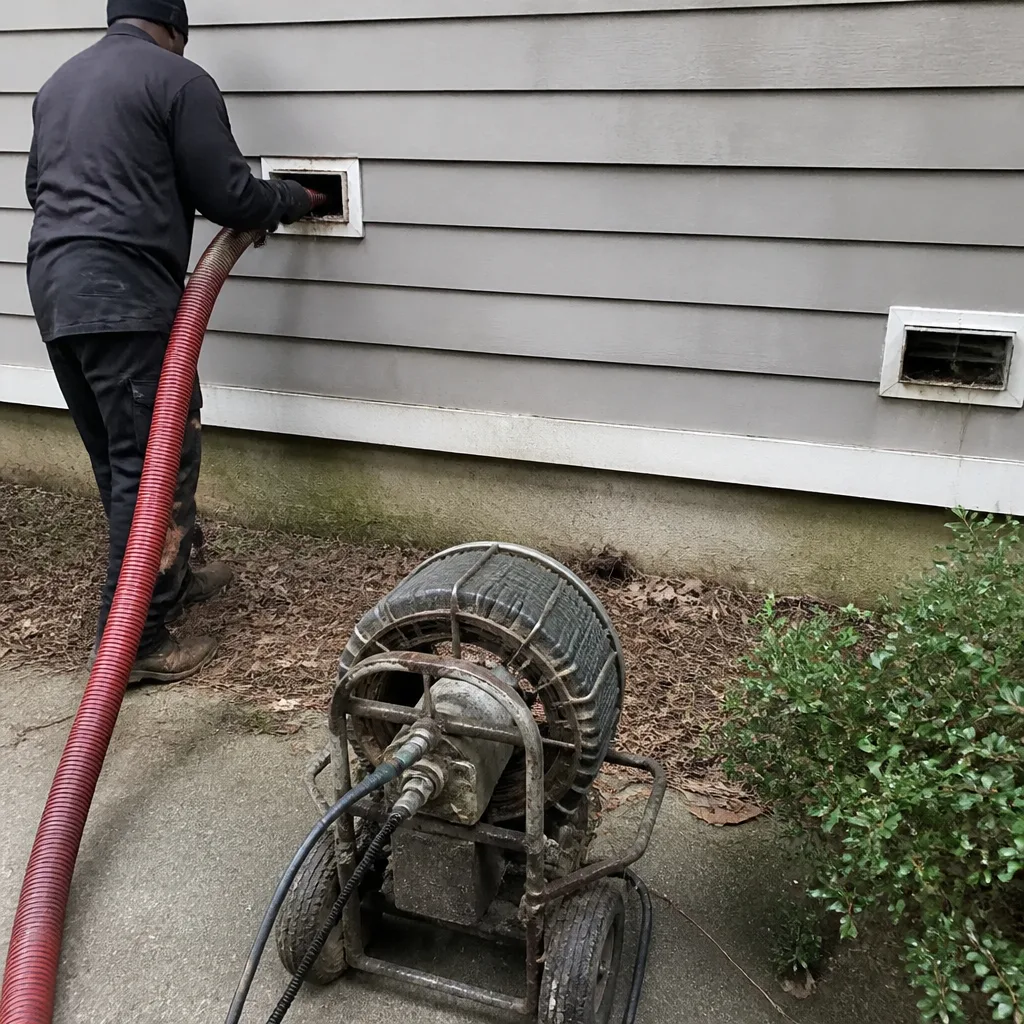
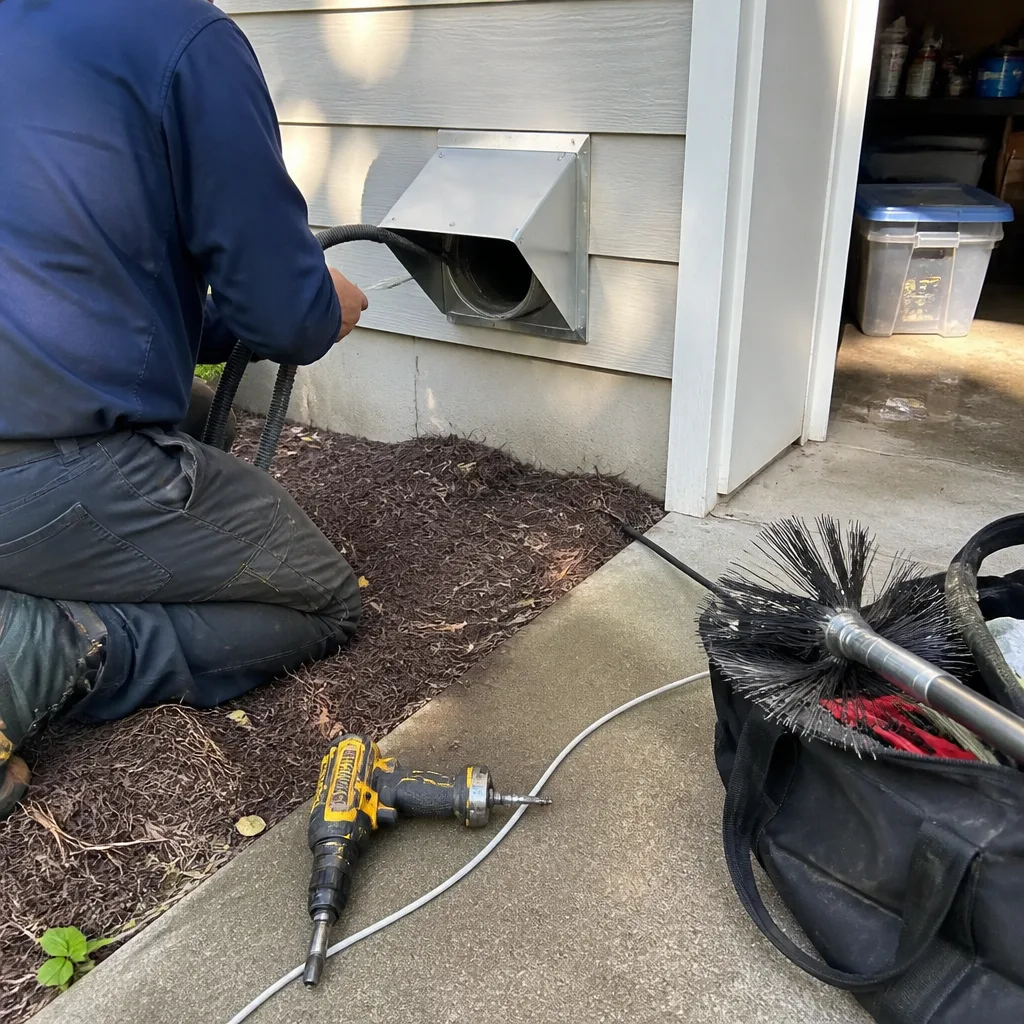
- Method and equipment used. Look for language like “rotary brush agitation with HEPA vacuum extraction” or “compressed air purge with negative pressure collection.” Brands like Rotobrush and Nikro are the professional standard. If the invoice lists no equipment and no method, the job did not happen properly.
- Foil accordion duct replacement. If the technician found foil accordion duct and replaced it with rigid metal, that is a line item with a specific material cost. Rigid metal is code-compliant and far less prone to lint accumulation. This is a legitimate upsell, not a scam. It is also a one-time fixed cost that makes every future cleaning more effective.
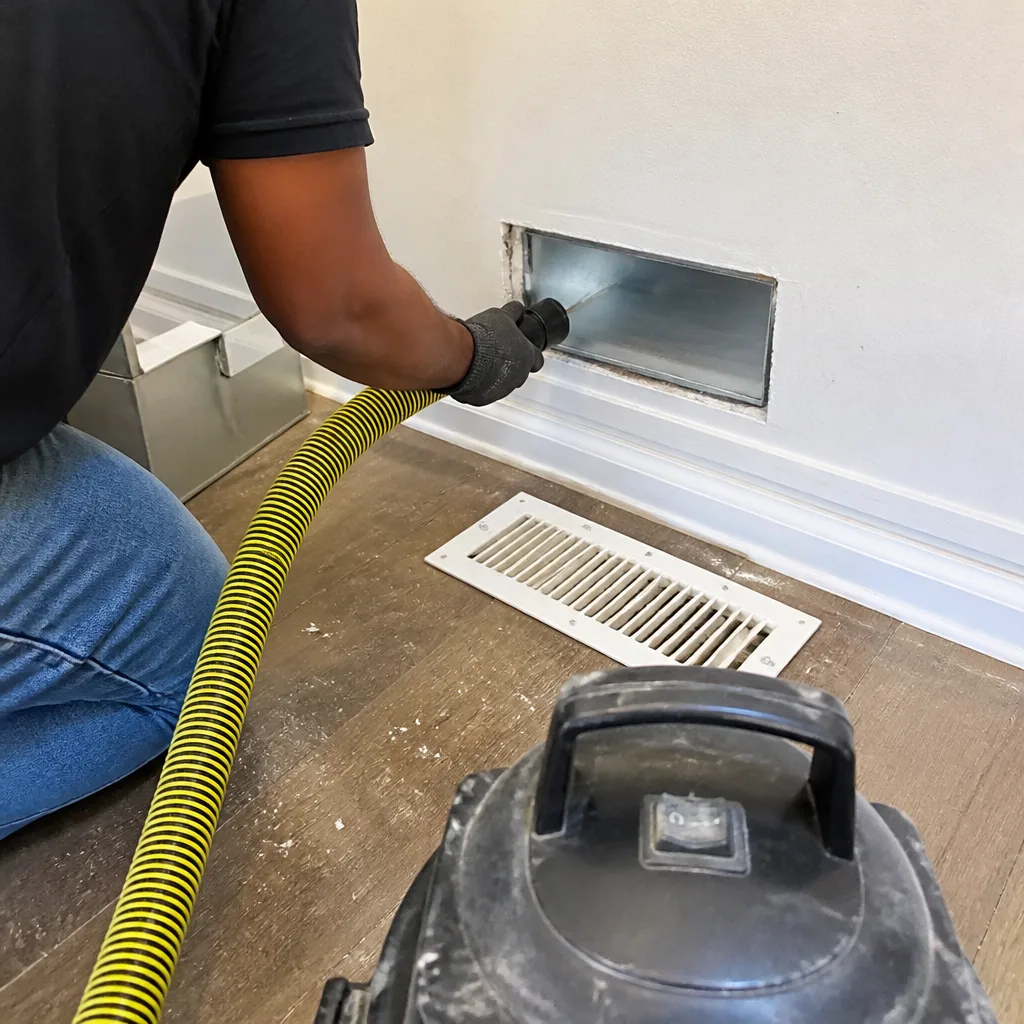
- Before-and-after photos. Not every company offers this, but it is the easiest way to know the work was done. We provide photo documentation with every booking as part of The Relay Visibility Guarantee. If a company refuses to show you the inside of the vent before and after, that tells you something about the job they are about to do.
As for cost, a professional dryer vent cleaning in Atlanta for a standard single-family home with a short, straight run generally lands between $130 and $180. A townhome or condo with a long run, multiple bends, or rooftop access typically runs $180 to $300. Complex cases involving bird nest removal, extensive rigid duct replacement, or booster fan installation can exceed that, but you should receive a written price before any work begins. If a company quotes under $80 for a full cleaning, understand that you are buying a partial service. Nobody runs proper rotary brush equipment and HEPA extraction for $79.
At Cardinal Air Duct Atlanta, we hand you a written price before a single duct is touched. That price does not change at the door. Omar Haddad has built the Atlanta operation around one standard: if we cannot show you the problem and show you the fix, we have not done our job.
Common Mistakes to Avoid
- Cleaning only the lint trap and believing the vent is fine. The lint trap catches maybe 60 to 70 percent of lint generated per load. The rest goes into the vent. An Atlanta homeowner who religiously cleans the trap every load but has never had the vent professionally cleaned has a false sense of security and an accumulating problem behind the dryer.
- Using an at-home dryer vent cleaning kit with a drill brush on a long, multi-bend run. These kits work on short, straight, single-story vents. On a 25-foot townhome run with three elbows, the brush cannot reach the full path, and loosened lint gets pushed toward the bends instead of extracted. You can make the blockage worse.
- Ignoring a dryer that takes 70 minutes to dry towels when it used to take 45. That is the dryer asking for help. The longer you run it that way, the hotter the dryer body gets, and the closer you are to a thermal fuse failure or ignition. Atlanta’s humidity means this problem does not correct itself.
- Assuming the builder installed a compliant vent system. Many Atlanta townhome developments meet minimum code, but minimum code in the early 2000s allowed configurations that today’s NFPA standards discourage. If you bought a townhome built before 2010, have a professional assess the full vent run even if the dryer currently works.
- Sticking with foil accordion duct because it is “working.” Foil accordion duct is legal in some configurations but it is a known lint trap. The ridges catch lint, the thin material crushes easily, and the interior surface area is far higher than a smooth rigid metal pipe. Replace it once and you reduce future buildup meaningfully.
- Hiring based on the lowest price without checking what the service actually includes. A $59 “dryer vent special” in Atlanta generally means a technician with a shop vac suction the exterior cap for five minutes. That does not clean the vent. It polishes the end of a dirty pipe.
- Waiting until the dryer stops working to address the vent. By the time the dryer shuts off from overheating, the vent is completely blocked or very close to it. That is not maintenance anymore. That is an emergency.
When to Call a Professional
You should call for professional service when the drying time test shows 10 minutes or more over baseline, when you cannot access or fully see any part of the vent run, when you find birds, wasps, or nesting material at the cap, or when it has simply been 12 months since the last cleaning (6 months for townhomes and condos). If your vent runs through shared walls, terminates on a roof, or includes more than two bends, do not rely on a homeowner-grade brush kit; read our How to Hire a Air Duct Cleaning Contractor in Atlanta: A Step-by-Step Guide first. Professional extraction with the right equipment is the only honest fix. We run Rotobrush rotary brush systems and Nikro HEPA vacuum extraction on every job, and we document the work with before-and-after photos. Cardinal Air Duct Atlanta offers free estimates in Atlanta. Call (470) 408-4927 and a live person answers, every time.
Frequently Asked Questions
A standard dryer vent cleaning in Atlanta runs $130 to $180 for a single-family home with a short, straight vent. Townhomes, condos, and homes with long or multi-bend runs typically fall between $180 and $300. Factors that increase cost include rooftop access, bird or pest removal, and replacement of foil accordion duct with rigid metal. At Cardinal Air Duct Atlanta, the written price is provided before any work starts, so there is no negotiation at the door. Call (470) 408-4927 for a free estimate specific to your home.
Run the drying time test: if a full towel load now takes 10 or more minutes longer than your baseline on the same setting, the vent is at least partially clogged. Additional signs include a hot dryer exterior, damp clothes at cycle end, a burning smell while drying, and reduced airflow at the exterior cap. If you notice any of these, stop using the dryer and call (470) 408-4927 to schedule service before the blockage becomes complete.
Atlanta’s high humidity makes lint heavier and stickier, causing it to adhere inside the vent instead of blowing out. If you live in a newer townhome or condo, you also likely have a longer vent run with more bends than a traditional single-family home, which multiplies the places lint can collect. The combination of humid air and a longer, more complex vent path is why double-frequency cleaning is standard advice for many Atlanta homeowners.
Yes. Atlanta’s warm springs and dense tree cover bring house sparrows, starlings, and other cavity-nesting birds to vent caps every year. The symptoms of a bird nest mimic lint blockage, but the fix is different and may involve legal protections for the bird under federal law. Never try to remove an active nest yourself. A professional can evaluate the situation safely and within the law. Call (470) 408-4927 if you suspect nesting activity.
For a single-family home with a short, straight vent run, once every 12 months is the minimum standard. For a townhome, condo, or any home with a vent run over 10 feet or with more than two bends, every 6 months is the realistic requirement. If you have pets, run the dryer more than average, or dry heavy fabrics like towels and blankets regularly, more frequent checkups are prudent. At minimum, use the seasonal checklist in this guide to monitor your vent between professional cleanings.
Professional services use rotary brush systems like Rotobrush and HEPA vacuum extraction units like Nikro or Abatement Technologies. The brush agitates lint off the interior walls of the vent, while the vacuum pulls loosened debris straight into a sealed collection system instead of blowing it back into the home. This combination is what actually cleans a long, multi-bend Atlanta townhome vent. A shop vac on the exterior cap is not a professional cleaning, no matter what the price says.
The Bottom Line
Dryer vent fires in Atlanta are maintenance failures, not accidents. The vent that has not been cleaned in three years is the fire that has not happened yet. Atlanta’s humidity makes lint stickier, and the city’s townhome and condo construction makes vents longer, bendier, and harder to inspect. For additional seasonal guidance, see our Seasonal Air Duct Cleaning Care for Atlanta: Year-Round Homeowner’s Guide. The drying time test gives you a number you can trust. The professional cleaning standard gives you the line items to demand on an invoice. And the 365-Day Done Right Promise from Cardinal Air Duct Atlanta gives you a full year of coverage on every job we perform. If the work is not right, we return and make it right. No fine print, no exclusions. That is what total visibility means.
Call (470) 408-4927 for a free estimate. A live person answers, we hand you a written price before anything is touched, and you get before-and-after photo proof of the work. That is the Relay Standard. That is HVAC Cleaning in Atlanta and dryer vent cleaning done the way you would do it yourself if you owned the equipment.
Written by Omar Haddad, Owner at Cardinal Air Duct Atlanta, serving Atlanta since 2005.
See the difference
 Before
 After
After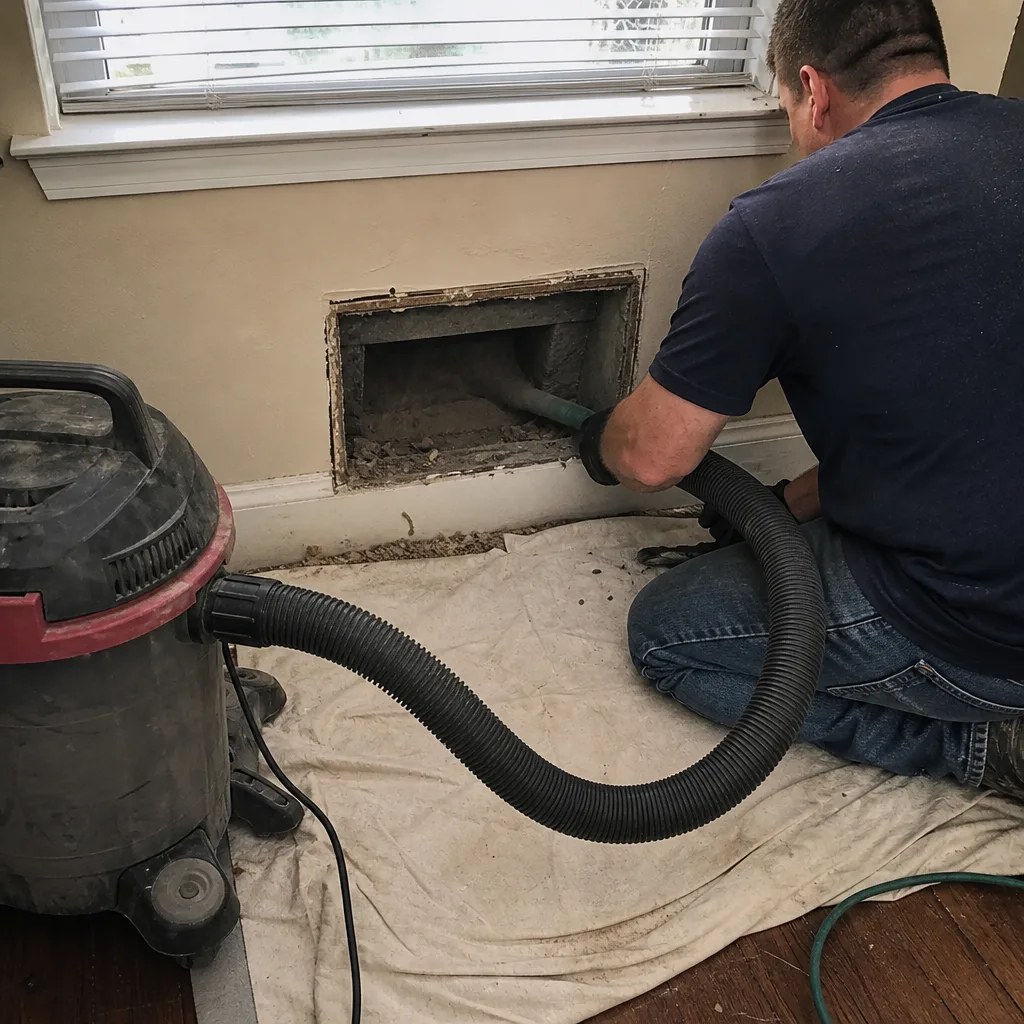 Before
 After
After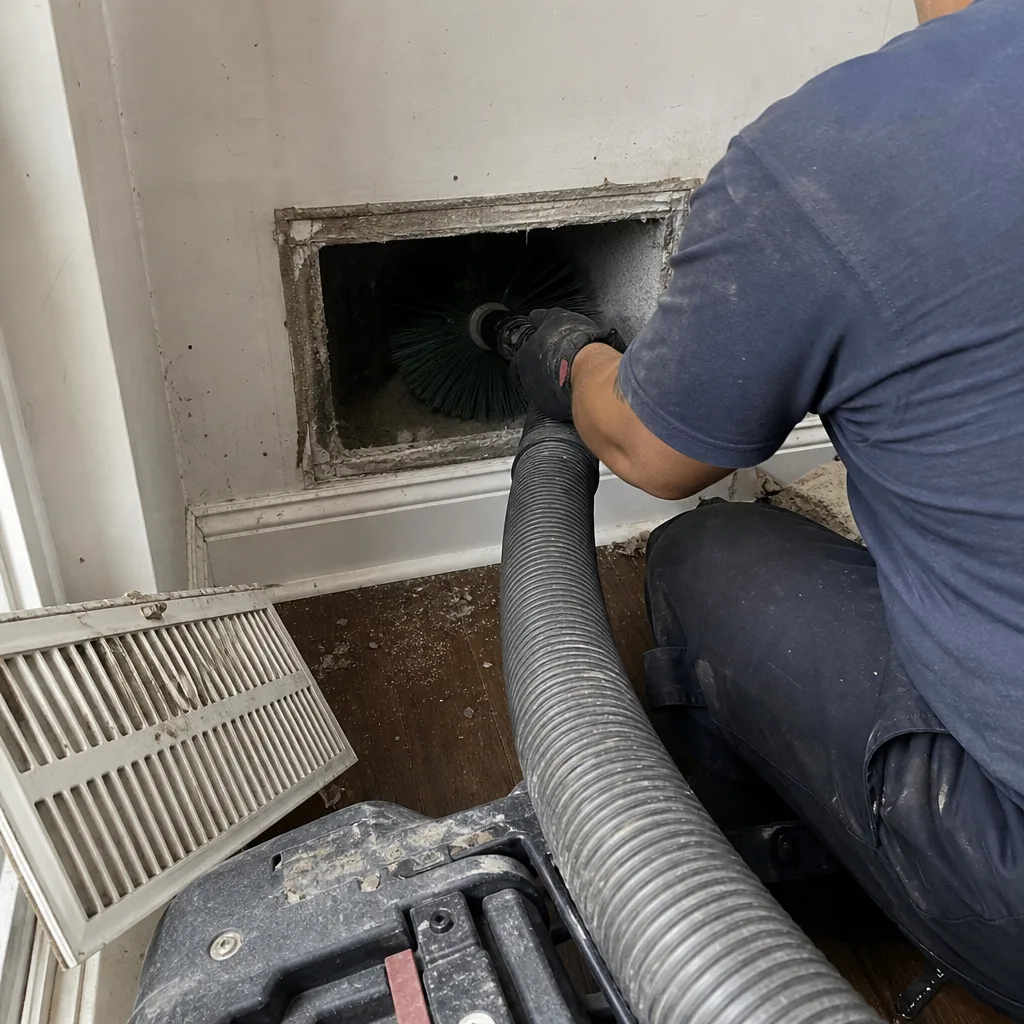 Before
 After
After