
Last updated October 15, 2026
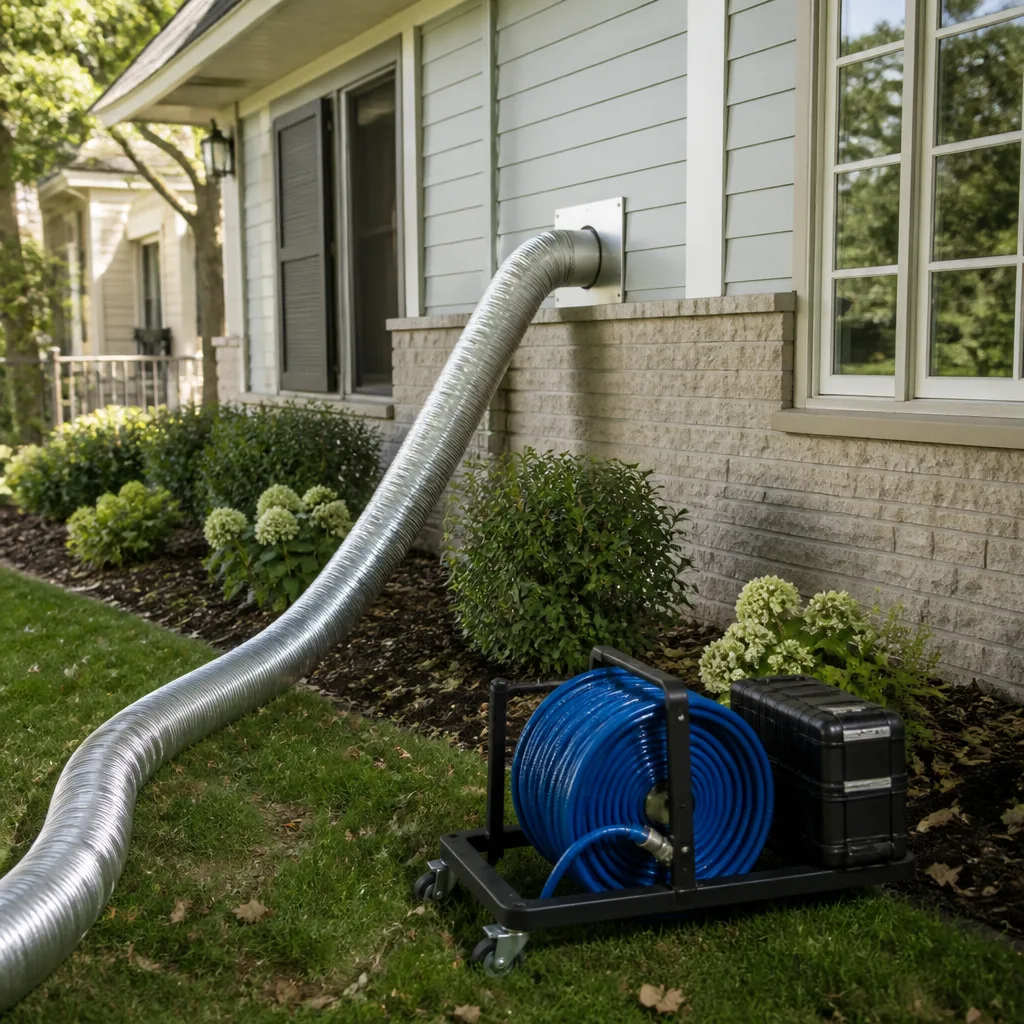 Whole-home duct cleaning
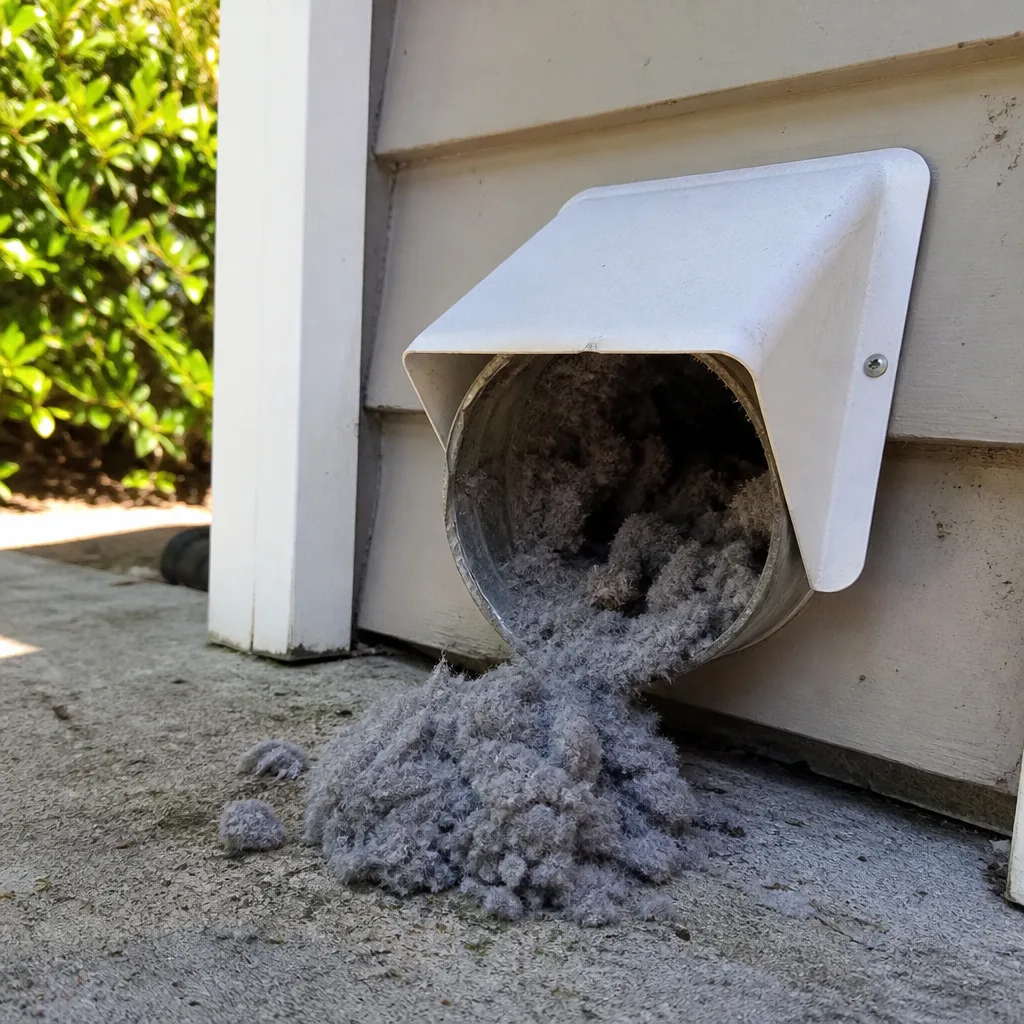 Dryer vent cleaning
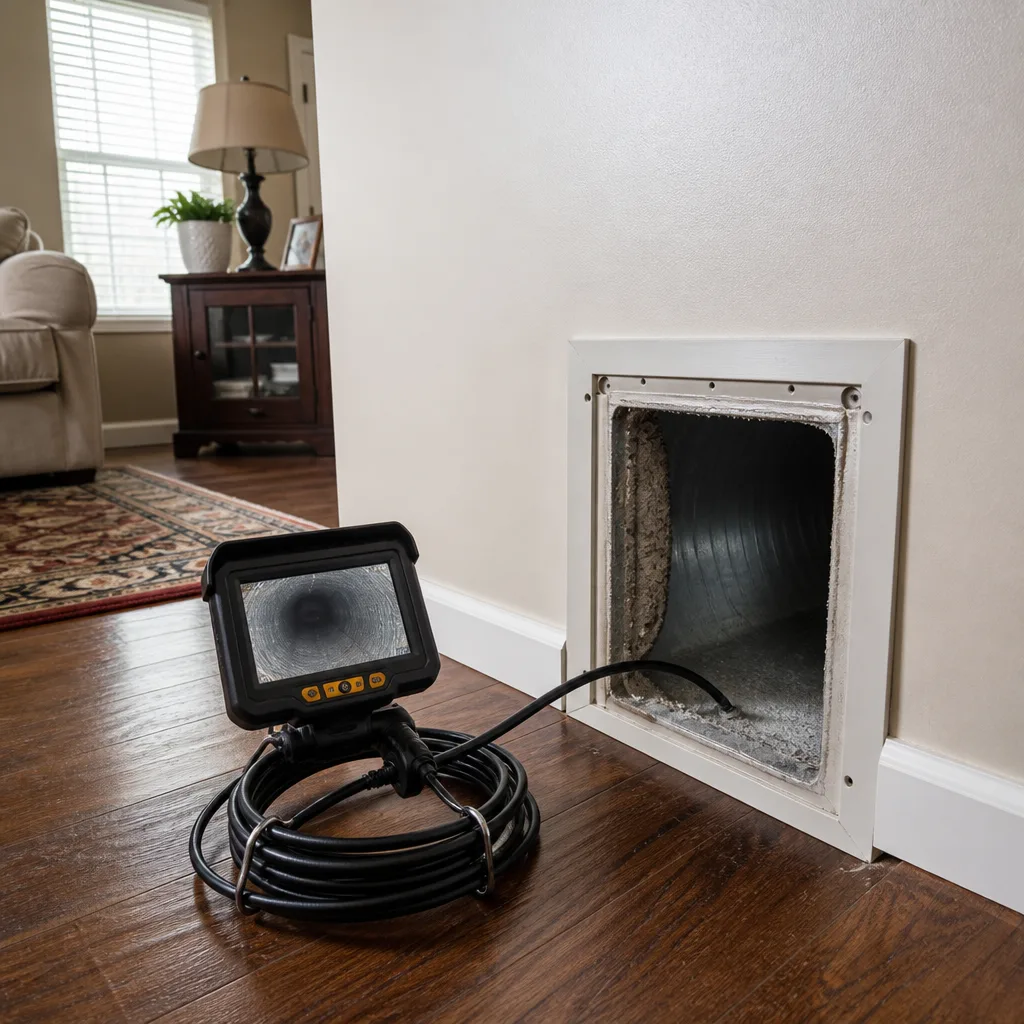 Camera inspection
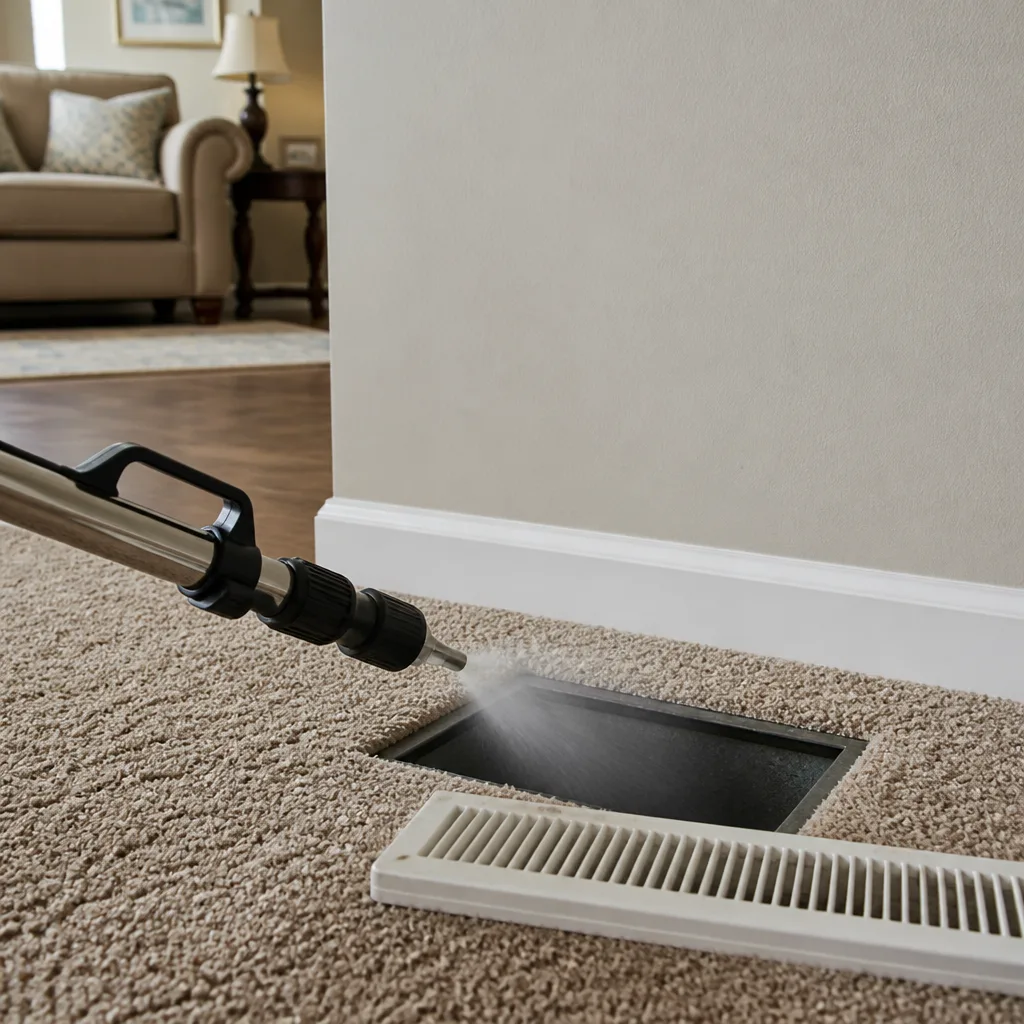 Sanitizing & deodorizing
Whole-system duct and dryer vent check with before-and-after photos - you see exactly what came out of your vents
That "$99 whole-house special" is a bait ad - the real number appears once they are in your hallway, or the "clean" is a shop-vac at the register. We photograph the inside of your ducts before and after instead.
Seasonal Air Duct Cleaning Care for Atlanta: Year-Round Homeowner’s Guide
Conventional wisdom tells Atlanta homeowners to clean their air ducts every three to five years. That advice was written for places with four real seasons and an HVAC system that rests half the year. Atlanta’s cooling season alone can stretch from March to November, and plenty of Decembers still call for the AC. When your air handler runs eleven months out of twelve, the math on duct cleaning changes completely. This guide lays out a season-by-season maintenance calendar built specifically for Atlanta’s climate, from the oak pollen waves of Buckhead to the clay-heavy humidity pressing in on Marietta cul-de-sacs.
Styles & brands we work with
Quick Answer
For most Atlanta homes, the two highest-value our Air Duct Cleaning services windows are February through March (before pollen season hits) and October through November (before heating season starts). Homes with pets, recent renovations, or allergy-sensitive occupants should plan for cleaning every two to three years instead of the generic five-year mark, because Atlanta’s extended cooling season keeps air moving through your ducts nearly year-round and loads the system with more debris than a temperate-climate home ever sees.
Table of Contents
- Why Atlanta Doesn’t Have Four HVAC Seasons
- February to March: The Pre-Pollen Cleaning Window
- May to June: Post-Pollen Filter Strategy
- August: When Humidity Becomes a Duct Problem
- October to November: Pre-Heating and Coil Inspection
- The $0 Between-Seasons Monitoring Routine
- Common Mistakes to Avoid
- When to Call a Professional
- Frequently Asked Questions
- The Bottom Line
Why Atlanta Doesn’t Have Four HVAC Seasons
Most national duct cleaning advice assumes your furnace works hard from December through February and your air conditioner carries the summer. That model describes Chicago or Boston. It does not describe Atlanta.
In Atlanta, your system faces two brutal demand seasons: the long, muggy summer that can run from April through October, and unpredictable winter cold snaps that often arrive with damp air. Between those two demand seasons are two critical prep windows where maintenance and cleaning pay the highest return. The summer humidity season is the real grind: your evaporator coil sweats for months, your ducts carry cold air through hot, humid attics, and condensation becomes a constant variable rather than an occasional one. Then winter swings in with dry indoor air, dust that settled and crusted during summer breaking loose, and the system running in a completely different mode.
Here’s how the calendar actually breaks down for a typical Atlanta single-family home:
- January: Heating demand, low humidity indoors, dust settles but doesn’t move much.
- February to March: Pollen prep window. Oaks start releasing pollen in late March. Cleaning now means you face peak pollen season with debris-free ducts.
- April: Pollen peak. Pollen gets drawn into return ducts every time the AC cycles.
- May to June: Post-pollen. Time to assess filter performance and consider a MERV upgrade before full humidity sets in.
- July to August: Peak humidity and maximum AC runtime. Condensation issues, mold risk in ducts, and dirty coils.
- September to October: Transition. Cooling demand tapers, but warm afternoons still cycle the system.
- October to November: Pre-heating prep. Coil inspection, final cleaning window before the furnace takes over.
- December: Heating demand, often with humid cold air. Condensation less of an issue, dust more of one.
The difference between a home in Buckhead with a finished attic and a Marietta ranch with a vented crawlspace is substantial. Buckhead homes from the 1920s and 1930s often have older trunk-and-branch ductwork that leaks at joints. Marietta homes built in the 1980s and 1990s frequently have flex duct in hot attics where the outer insulation jacket breaks down. Those differences matter when you’re deciding what cleaning is worth doing and when.
February to March: The Pre-Pollen Cleaning Window
Most people think about duct cleaning in spring because that’s when allergies flare up. The problem is, by the time allergies flare, the pollen is already in your system. The February to March window is where real ROI lives.
Here’s the logic. Atlanta’s oak pollen season typically peaks in late March and early April, with pine pollen following in waves through May. Both are wind-pollinated, which means microscopic grains travel miles and hang in the air. Every time your AC fan runs, the return grille pulls that pollen into your ductwork. If your ducts are already carrying a winter’s worth of dust, pet dander, and the typical debris of daily life, April’s pollen adds to an already saturated system. If your ducts are clean, April’s pollen moves through the system and gets caught by the filter. That’s the difference: a clean duct delivers pollen to the filter where it belongs. A dirty duct holds pollen in place, letting it break down and recirculate all summer.
Our technicians in Atlanta see it every year. Homes cleaned in late February stay visibly cleaner inside the ductwork through June simply because the system starts the allergy season empty. Homes cleaned in late April are already fighting a losing battle.
What should this February to March service include?
- Full duct cleaning on every supply and return line. Not just the main trunks. Branch lines matter because that’s where debris settles when air velocity drops.
- Return boot inspection. The return side is where most air enters your system, and it’s typically far dirtier than supply lines.
- Filter check and replacement. If your filter is clogged in March, April’s pollen load will choke it within weeks.
- Blower motor inspection. Dust accumulation on blower blades reduces airflow and forces the motor to work harder all summer.
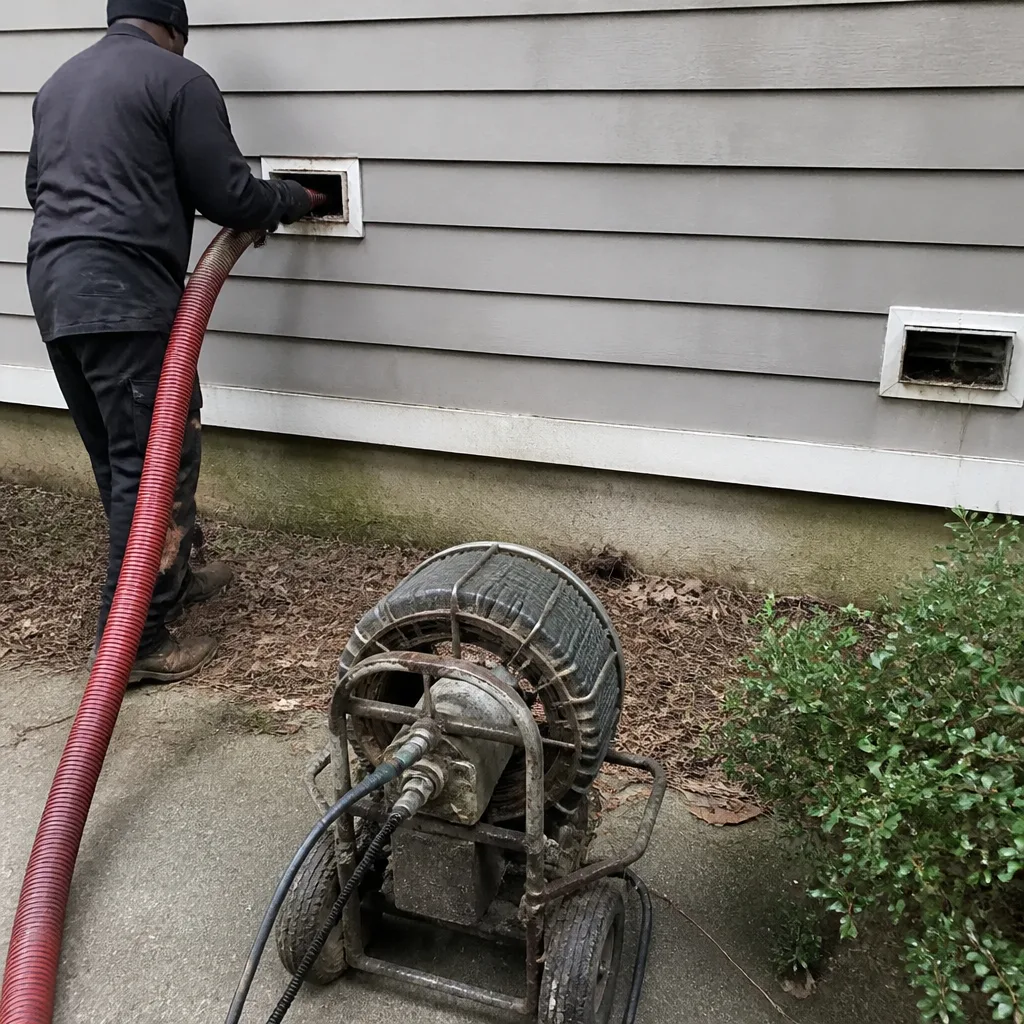
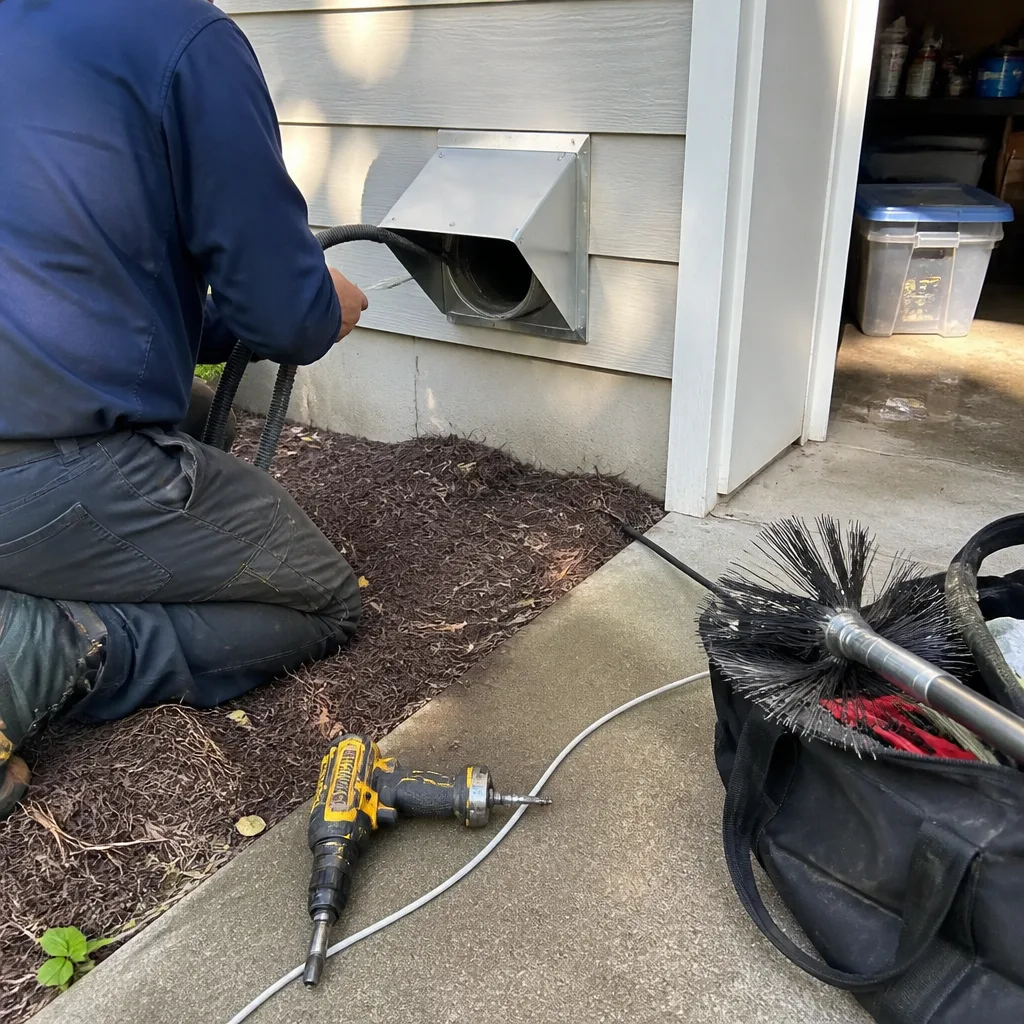
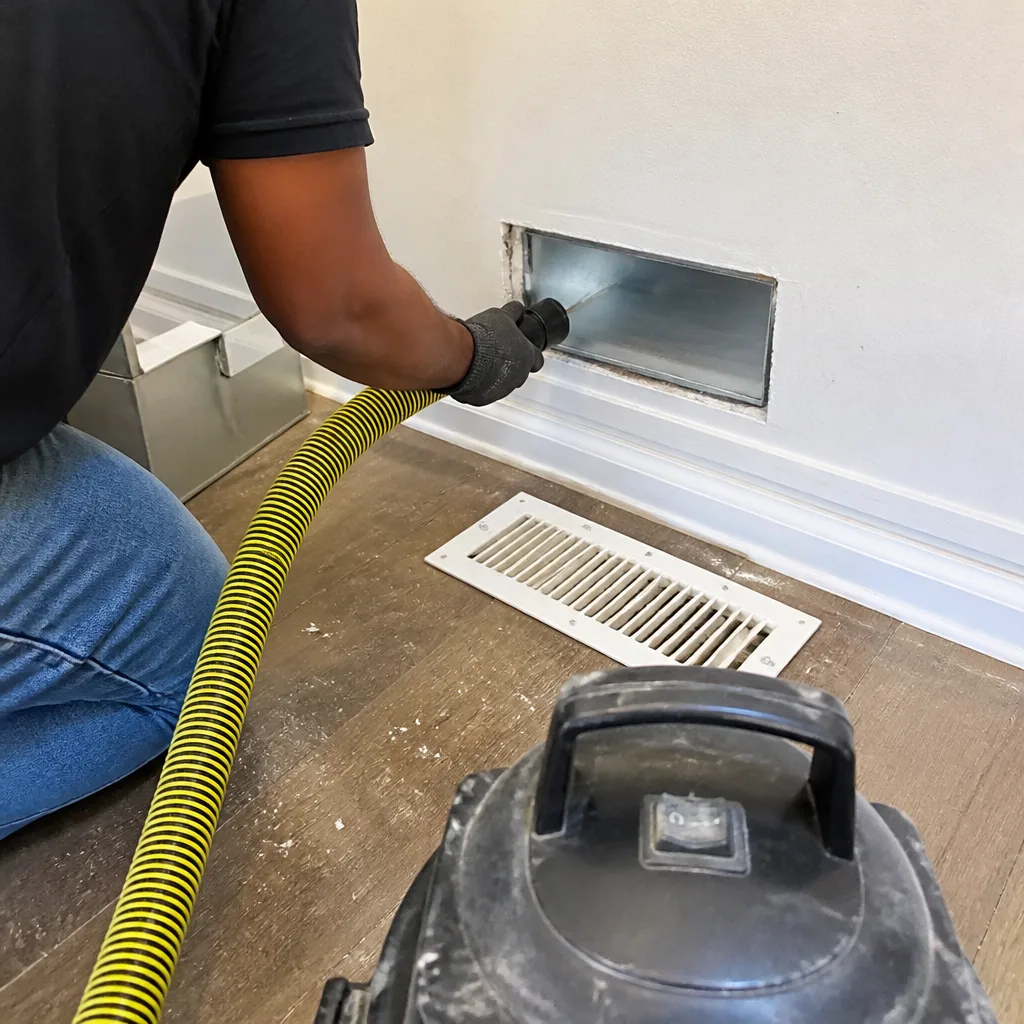
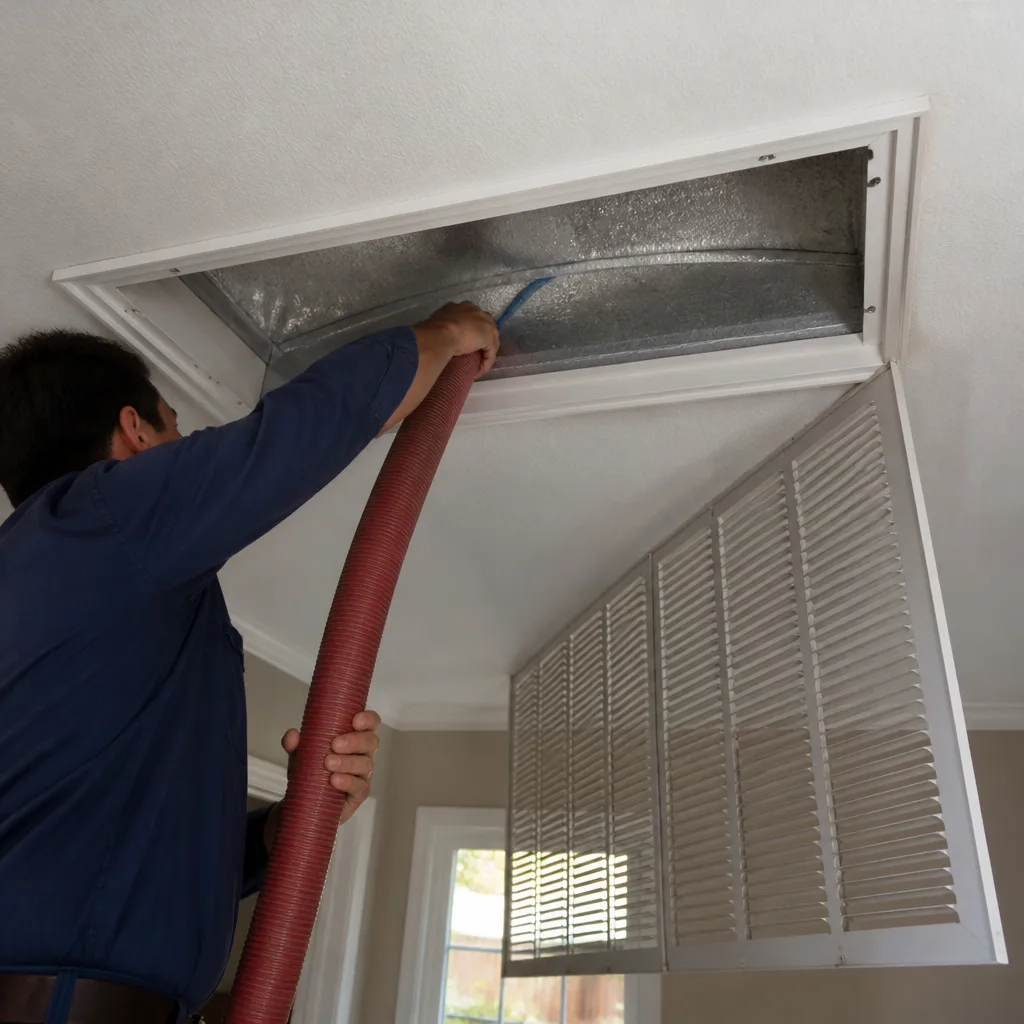
One caution: February and March in Atlanta can still bring cold snaps. If you’re scheduling a cleaning, pick a mild day when the technician can run the system afterward to verify airflow without fighting the thermostat. As for equipment, reputable Atlanta duct cleaners run professional-grade setups: rotary brush systems to loosen debris bonded to duct walls, paired with HEPA-filtered negative-pressure extraction so the debris goes into the vacuum, not back into your living room. For a detailed look at what drives pricing, see our Air Duct Cleaning Cost Breakdown: The Atlanta Homeowner’s Reference for 2026. That’s the difference between cleaning and just moving dirt around.
If you’re thinking about timing, call to book this window early. February is the sweet spot, and March still works if you’re flexible on scheduling. By the first week of April, the pollen is already in the air and you’ve missed the clean-slate advantage.
May to June: Post-Pollen Filter Strategy
By late May, Atlanta’s pollen load has mostly cleared. Oak and pine have finished their release cycle. What’s left behind in your system depends heavily on whether you cleaned in February or not. But either way, May and June are the right time to reassess your filtration.
The default filter in most Atlanta homes is a MERV 8. That’s a reasonable baseline: it catches pollen, dust mites, and larger mold spores while offering low airflow resistance. But after a heavy pollen season, some homeowners want more. A MERV 11 filter catches finer particles: smaller pollen fragments, pet dander that’s broken down into smaller pieces, and some bacteria. The trade-off is resistance. A higher MERV rating means the filter is harder for air to pass through. Your blower motor has to work harder to pull the same airflow.
Here’s the question to ask: can your blower motor handle the added resistance without sacrificing cooling capacity or burning out prematurely?
In most Atlanta homes with a modern variable-speed ECM blower, stepping from MERV 8 to MERV 11 during the late spring and summer is fine. Variable-speed motors adjust to resistance and maintain airflow, though they use more electricity doing it. In older homes with single-speed PSC motors, a MERV 11 filter can drop airflow enough to reduce system efficiency and make the coil run colder than intended, which creates its own set of problems. If you’re not sure what kind of blower you have, ask during your next service visit. A technician can tell you in thirty seconds by looking at the motor housing.
There’s also the simple maintenance angle. If you ran a MERV 8 filter through April’s peak pollen season on a system that runs constantly, that filter is done. Swap it in May even if it doesn’t look black. Filters can be functionally spent without looking dramatically dirty, and the post-pollen period is the highest-value swap of the year.
For homeowners using Aprilaire filter cabinets, the replacement cadence is easier to manage. Aprilaire media filters have more surface area than standard 1-inch filters, so they load more gradually and maintain airflow longer. But they still need checking after pollen season. A pleated media filter that caught Atlanta’s full spring pollen release needs to go, regardless of what the package says about nominal lifespan.
August: When Humidity Becomes a Duct Problem
August in Atlanta is the month that separates systems that are maintained from systems that are in trouble. The average August humidity in Atlanta sits near 75%, and daily highs regularly reach 90°F. Your air conditioner runs longer in August than in any other month. That combination of cold duct surfaces, warm humid air, and constant cycles creates a specific failure mode that most duct cleaning conversations never get to.
Condensation inside supply ducts.
When cold air moves through metal ductwork in an uncooled attic, the duct exterior can sweat. That’s a known issue and one reason insulation matters. But condensation can also form inside the duct. Here’s how it happens: during a system shutdown, warm humid air migrates into the supply ducts through vents. The duct interior is still cold from the previous cycle. Warm air meets cold metal, and water condenses on the inside surface. If the system stays off for 48 to 72 hours, that condensation sits. And standing moisture inside a dark duct is exactly the environment mold needs to begin growing.
This is why a week-long vacation in August can be more damaging to your ductwork than six months of normal operation. The system goes dormant, condensation forms, and nothing moves the air or dries the surface.
What can you do about it?
- Don’t turn the system completely off when you leave for a week in summer. Set the thermostat to 80°F or so. The system will cycle enough to keep air moving and prevent condensation from sitting.
- Check the duct insulation integrity in your attic. Compromised insulation wrap is the leading cause of internal condensation. The cold duct surface has nothing between it and the humid attic air.
- Run the fan periodically. Even without cooling, moving air helps dry duct interiors.
- Inspect your drip pan and condensate drain line. August is peak season for condensate clogs. A clogged drain backs water into the unit, raising humidity inside the entire system.
If you smell a musty odor when the system first kicks on in August, that’s not your imagination and it’s not the filter. That’s moisture and possibly microbial growth in the ductwork or air handler. Call a professional rather than trying to solve it with scented products, which do nothing but mask the signal. The problem will still be there in September.
October to November: Pre-Heating and Coil Inspection
Most Atlanta homeowners think about heating season in December, but the preparation window opens in October. That’s when daytime temperatures still allow comfortable work in attics and crawlspaces, and it’s the last realistic chance to fix problems before the furnace becomes the primary system. Waiting until December means scheduling a cleaning when you’re already relying on the heat daily, and cold attics make the work harder for everyone.
There’s one specific item that belongs in every October service: the evaporator coil inspection.
The evaporator coil sits inside your air handler. It’s the component that gets cold and cools the air passing over it. In Atlanta, the coil works hard from April through October. By the end of cooling season, it’s usually coated with a thin layer of dust, pollen fragments, and the various residues that moving air deposits on a wet surface. A dirty evaporator coil does three things: it reduces cooling efficiency, it raises humidity in the supply air because the coil can’t condense moisture as effectively, and it sends dirt downstream into freshly cleaned ducts.
That last point matters. A duct cleaning that leaves a dirty coil in place is a partial job. Within one heating season, that coil will shed enough debris to undo the cleaning you just paid for. This is why the October to November window is the right time for a combined service: clean the ducts and inspect the coil. If the coil is dirty, clean it too. If it’s already clean, you’ve started heating season with a fully clean path from return grille to supply register.
Specific things to have checked in this window:
- Evaporator coil condition. Visible dirt, debris matting, or oily residue means it needs attention before heat season.
- Blower wheel. A dirty blower wheel spins out of balance and reduces airflow. It also throws loose dirt into the ductwork as it rotates.
- Return duct connections. Heating season creates pressure changes that can reveal loose joints. A disconnected return pulls attic air, including fiberglass insulation particles, straight into your living space.
- Supply register adjustment. Atlanta winters are mild but damp. Some homeowners close registers in unused rooms to force heat elsewhere. This raises system static pressure and can cause duct leakage. Better to keep registers open and balanced.
If the coil is dirty enough to need professional cleaning, this is the time to book it. A clean coil at the start of heating season means the system runs more efficiently through the winter, and the ducts you just cleaned stay clean.
The $0 Between-Seasons Monitoring Routine
You don’t need to call a technician every month, and no honest contractor would tell you that. But you can keep an eye on your ductwork yourself with three items you already own: a flashlight, a white tissue, and your phone camera. Here’s a monitoring routine that takes about five minutes per return grille and gives you early warning on the three biggest duct problems in Atlanta.
Step one: the flashlight sweep. Turn off the system at the thermostat. Remove the return grille cover, which typically pops off or unscrews. Shine the flashlight into the return boot, the visible section of duct right behind the grille. Look for three things: loose debris sitting in the boot, gray-brown dust caked on the duct walls, and any visible dark spots that look like mold or mildew. The return boot collects more debris than any other single point in the system, so this is your highest-signal inspection spot.
Step two: the tissue test. With the system still off, hold a single white tissue against the inside wall of the return duct. Press lightly and drag it about six inches. Look at the tissue. Fine gray dust is normal and means the system is doing its job at the filter. Dark, oily residue is not normal: it suggests debris has built up and bonded to the duct surface, or air is bypassing the filter through gaps.
Step three: the phone camera shot. Put your phone camera into the return boot as far as it’ll go without forcing it, then snap a picture with the flash on. Do this in the same location every month. You’re building a visual record. A single photo tells you little. Five months of photos side by side tells you whether debris is accumulating, whether that dark spot is growing, or whether everything is holding steady. In our experience serving Atlanta homes, this simple photo log has caught more duct problems early than any other single habit.
When to act on what you see:
- Gray dust that wipes away easily: Normal. Keep the filter fresh and monitor.
- Debris sitting in the return boot (dead insects, construction dust, visible pet hair): Your filter is undersized or poorly sealed. Fix the filter before cleaning the ducts.
- Dark or black spots that don’t wipe away: Possible microbial growth. Don’t touch it, don’t spray it, and don’t ignore it. Call a professional before it spreads further.
- Fiberglass insulation particles in the return: This almost always means a return duct is pulling attic air through a gap or a disconnected section. A professional needs to seal and repair that connection.
This $0 routine costs you five minutes and a bit of attention. It will not replace a professional cleaning, and no one should suggest it will. What it does is move you from reactive to aware. You’ll know when your ducts are going downhill instead of discovering it three years after it started.
Common Mistakes to Avoid
- Treating duct cleaning like an every-five-years chore regardless of runtime. In Atlanta’s climate, a system running eleven months a year accumulates debris at roughly double the rate of a temperate-climate system. Generic schedules fail Atlanta homeowners because Atlanta isn’t a generic climate.
- Cleaning only the supply ducts. Return ducts bring air in and are typically much dirtier than supply lines. A cleaning that skips the return side is half a job.
- Upgrading to a high-MERV filter without checking blower capacity. A MERV 13 filter on an older single-speed system can reduce airflow enough to freeze the evaporator coil or overheat the blower motor. Know your system before you change your filter.
- Turning the AC completely off during August vacation weeks. As covered earlier, a dormant system in high humidity is a condensation and mold risk. Set the thermostat up, but don’t kill it.
- Cleaning ducts without inspecting the evaporator coil. A dirty coil re-contaminates clean ducts within one season. The two go together. This is the most common thing we see missed in Atlanta when homeowners shop strictly on price.
- Trusting a coupon price as the real price. The air duct cleaning industry has a reputation for bait-and-switch pricing for a reason: ultra-low teaser prices get a technician in the door, but the invoice grows once the work “reveals” what was always obvious. If a price seems too cheap to run professional equipment, pay a trained tech, and back the work, ask what the written final price includes before anyone steps foot in your home.
- Ignoring musty smells that come and go. A musty smell when the system first kicks on is not a spring problem or an old-house quirk. It’s a moisture signal. Every week you ignore it, the source becomes more established and more expensive to remove.
When to Call a Professional
Some situations demand expertise, not observation. If you see dark or black microbial growth inside a duct, call a professional. Do not attempt to clean it yourself and do not spray it with household products. If you’ve had recent renovations that produced drywall dust, especially in an older Atlanta home where lead paint was potentially disturbed, professional containment and cleaning is the right call. If your system has never been cleaned and the home is over ten years old, an inspection is warranted. If you smell musty odors when the system cycles, that’s a moisture problem that needs diagnosis, not just cleaning. And if your energy bills have crept up in a way that suggests the system is fighting resistance, a professional can measure static pressure and airflow to identify whether the ducts, the coil, or the filter is the bottleneck.
Cardinal Air Duct Atlanta offers free estimates in Atlanta. Call (470) 408-4927 to schedule a time, and a written price will be in your hand before any work begins. No phone tag, no vague arrival windows, no guesswork.
Frequently Asked Questions
Most Atlanta homes should have ducts cleaned every two to four years, not the generic three-to-five-year recommendation you see everywhere else. The shorter interval applies to homes with pets, allergy-sensitive occupants, recent renovations, or older ductwork that runs through hot humid attics. A home with minimal dust and a high-quality filter system might stretch to four years, but Atlanta’s long cooling season means the system moves more air and deposits more debris than the national average.
Before is better, and the evidence is straightforward. If you clean in late February or early March, your ducts start pollen season empty. April and May’s oak and pine pollen then hits a clean system, and most of it gets caught by the filter. If you clean after pollen season, you’re cleaning out all the pollen that already settled inside your ducts, which means you’ve been breathing recirculated pollen debris for months. The pre-pollen window delivers more value for the same service. Call (470) 408-4927 to book before the peak.
A musty smell when the system starts is almost always a moisture signal. Condensation inside your ducts or air handler, a clogged condensate drain, or a dirty evaporator coil coated with damp debris can all produce that smell. In Atlanta’s humid summer months, especially August, condensation inside supply ducts can form within 48 hours of a system shutdown and create exactly the conditions mold needs. This is a diagnosis problem, not just a cleaning problem, and it needs a professional who can find the moisture source.
You can remove and wash vent covers, vacuum visible debris from return boots, and keep your filter clean. That’s realistic DIY maintenance. What you cannot do with household tools is clean the full depth of trunk lines, branch ducts, and the air handler interior. Professional duct cleaning uses rotary brush systems to break debris loose from duct walls and HEPA-filtered negative-pressure vacuums to extract it without contaminating your living space. Before scheduling, check Air Duct Cleaning Permits, Codes & Inspections in GA: What You Need to Know to ensure your service meets state requirements. Without that equipment, you’re brushing debris that just resettles further down the line. Professional-grade equipment from Rotobrush and Nikro exists for a reason.
Most standard air duct cleanings for a typical Atlanta home run $350 to $650 for the full system, depending on home size, number of returns, duct accessibility, and whether the evaporator coil needs additional service. Avoid any price advertised per vent or as a whole-home “special” under $99: those are trip fees or false fronts. A legitimate written price covers the entire duct system and is given before work starts. Cardinal Air Duct Atlanta provides a written price before a single duct is touched. Call (470) 408-4927 for an exact quote: estimates are free.
A cheap duct cleaning typically sends one technician with a shop vac and an hour on the clock. A professional cleaning deploys a rotary brush system to agitate debris off duct walls, paired with HEPA-filtered negative-pressure extraction so nothing gets blown into your home. A professional also inspects the evaporator coil, blower wheel, and return connections while the system is open, because duct cleaning is only part of a system cleaning. And a professional stands behind the work with a written guarantee. Our team at Air Duct Cleaning in Atlanta runs Abatement Technologies containment units and Rotobrush brush systems on every job, and every visit includes a written price before work starts.
It can, but it depends on what’s actually in your ducts. If your ducts carry dust, pet dander, and pollen debris that accumulated over years, removing that load means less particulate recirculating through your home. What duct cleaning will not do is stop outdoor pollen from entering your home in the first place. That’s a filter and sealing job. The combination that works for Atlanta allergy sufferers is clean ducts, a properly sealed return system, and a filter matched to your blower’s capabilities. The ducts are one part of a system. Our HVAC Cleaning in Atlanta service covers the full air pathway, from return grille through coil to supply register.
They’re separate systems serving separate purposes, but they share the same environmental conditions in Atlanta. Your dryer vent carries lint and moisture out of your home, and when it clogs, the dryer runs inefficiently and poses a fire risk. The air ducts carry conditioned air through your living space. Scheduling both on the same visit can save you a return trip and gives you a complete picture of your home’s air pathways. Our Dryer Vent Cleaning in Atlanta service pairs well with a duct cleaning visit, and both are covered by the same written-price guarantee.
The Bottom Line
Atlanta homeowners cannot run HVAC maintenance on a generic national calendar. The climate here demands a year-round rhythm: clean in February or March before pollen season, reassess filters in May, watch for condensation in August, and do the full duct-and-coil service in October or November before heating season starts. Between those windows, five minutes a month with a flashlight and a phone camera keeps you informed. The goal isn’t more frequent cleaning. It’s smarter cleaning that lines up with the weather you actually live through. When you’re ready, Cardinal Air Duct Atlanta home is one call away.
Written by Omar Haddad, Owner at Cardinal Air Duct Atlanta, serving Atlanta since 2005.
See the difference
 Before
 After
After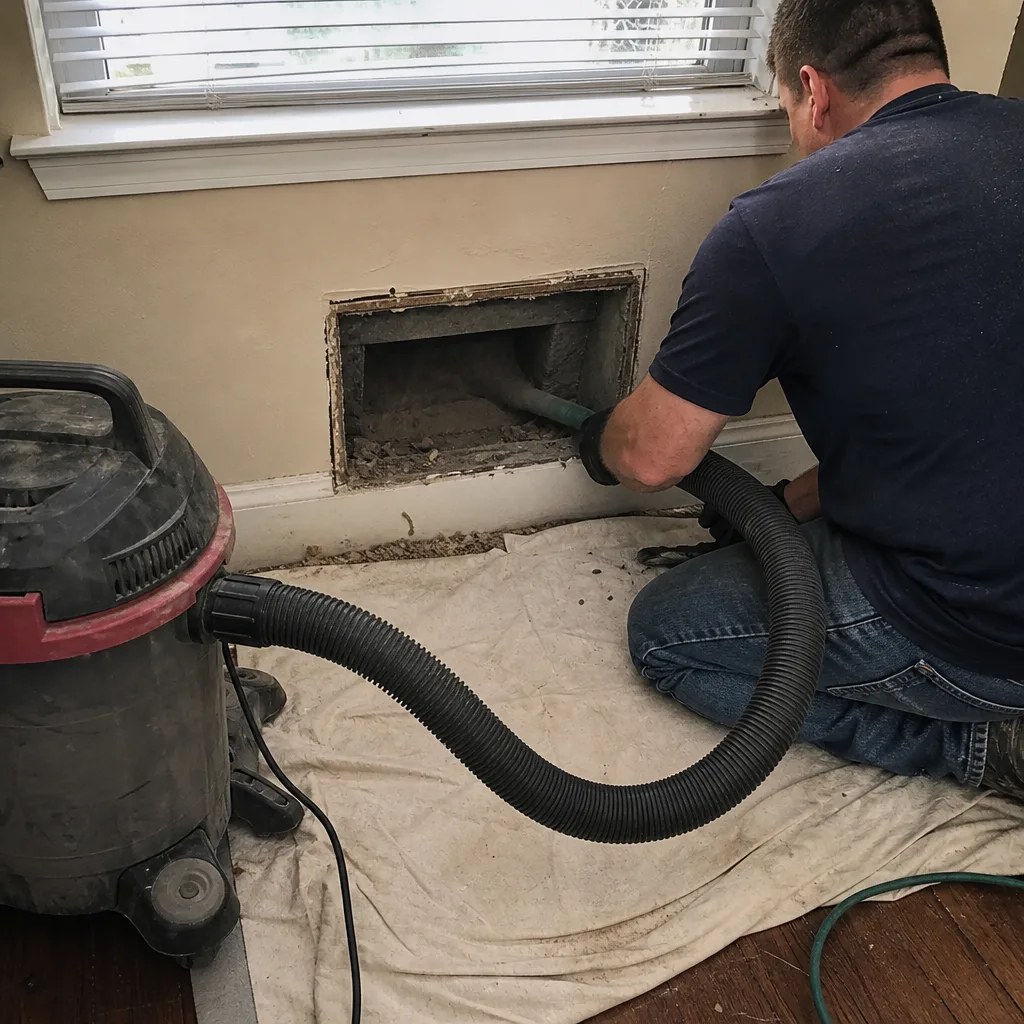 Before
 After
After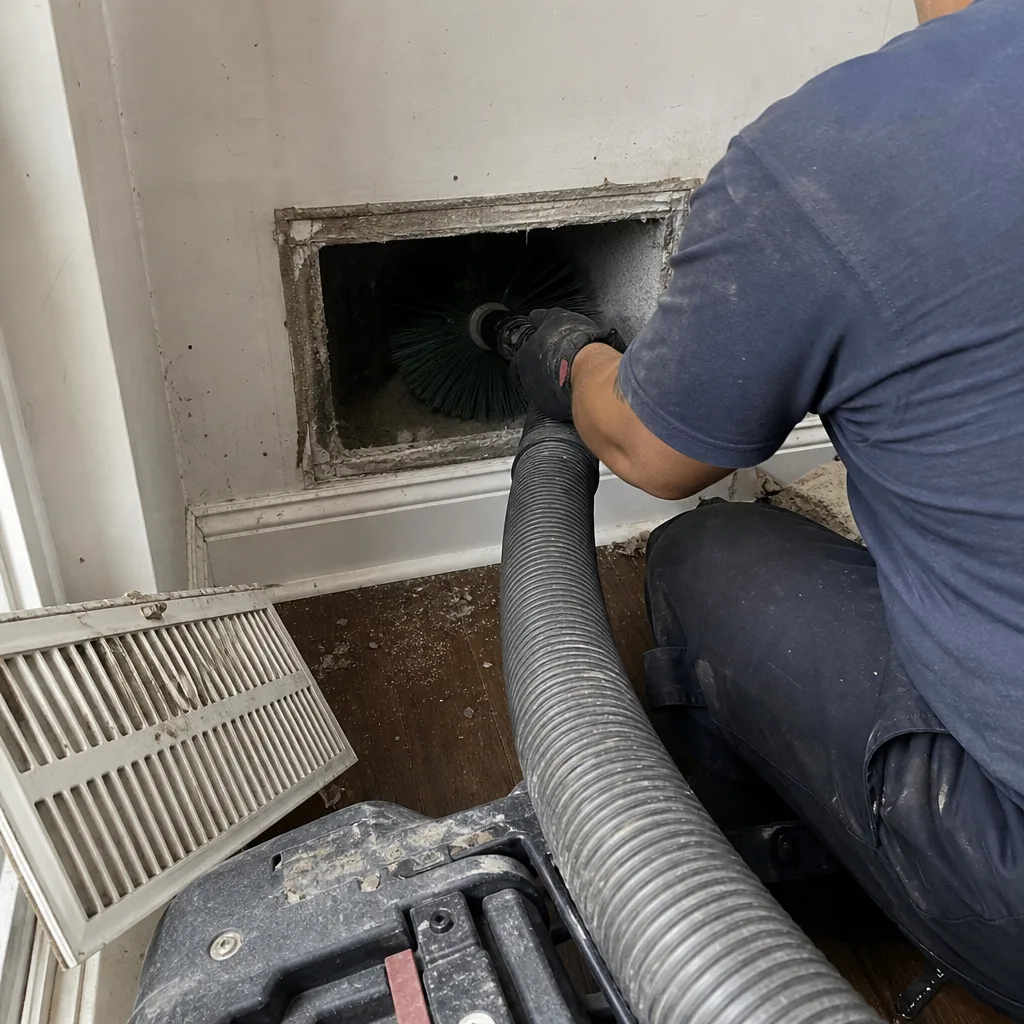 Before
 After
After