
Last updated October 15, 2026
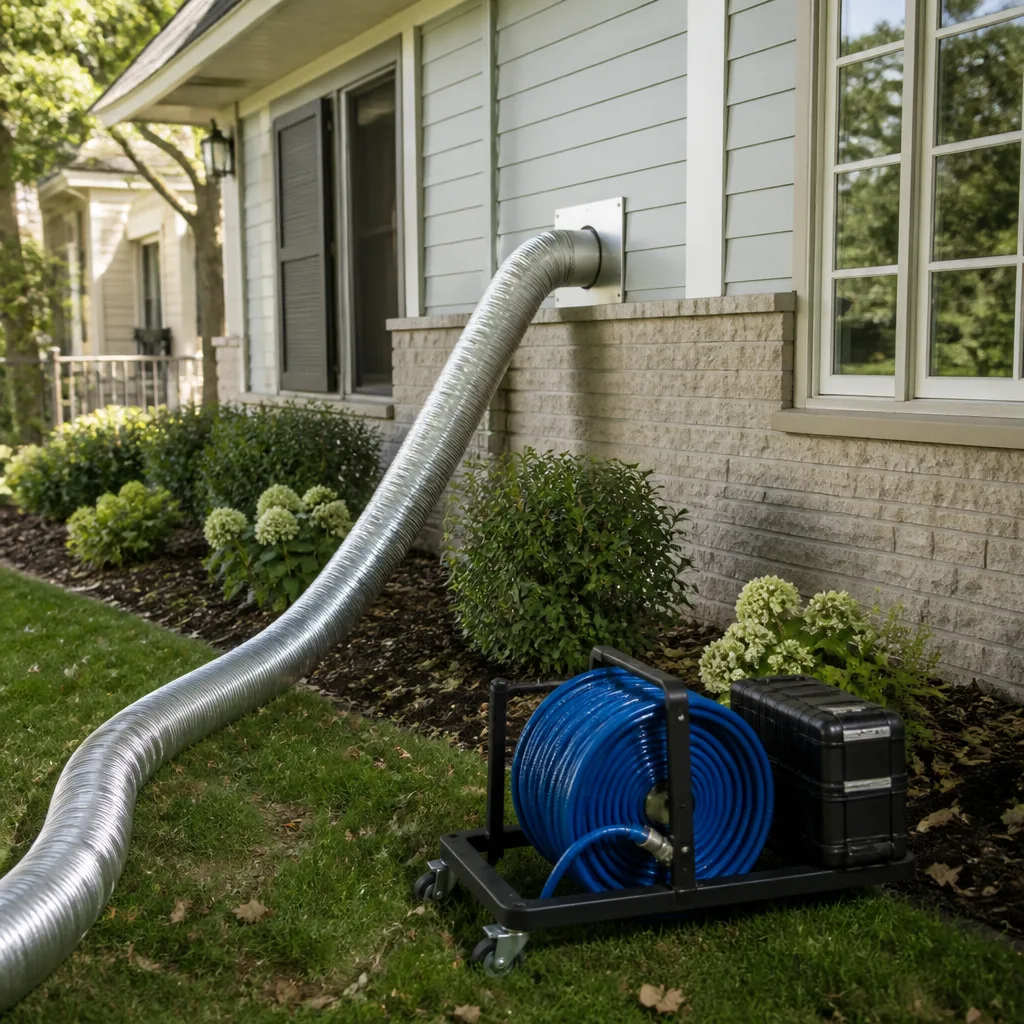 Whole-home duct cleaning
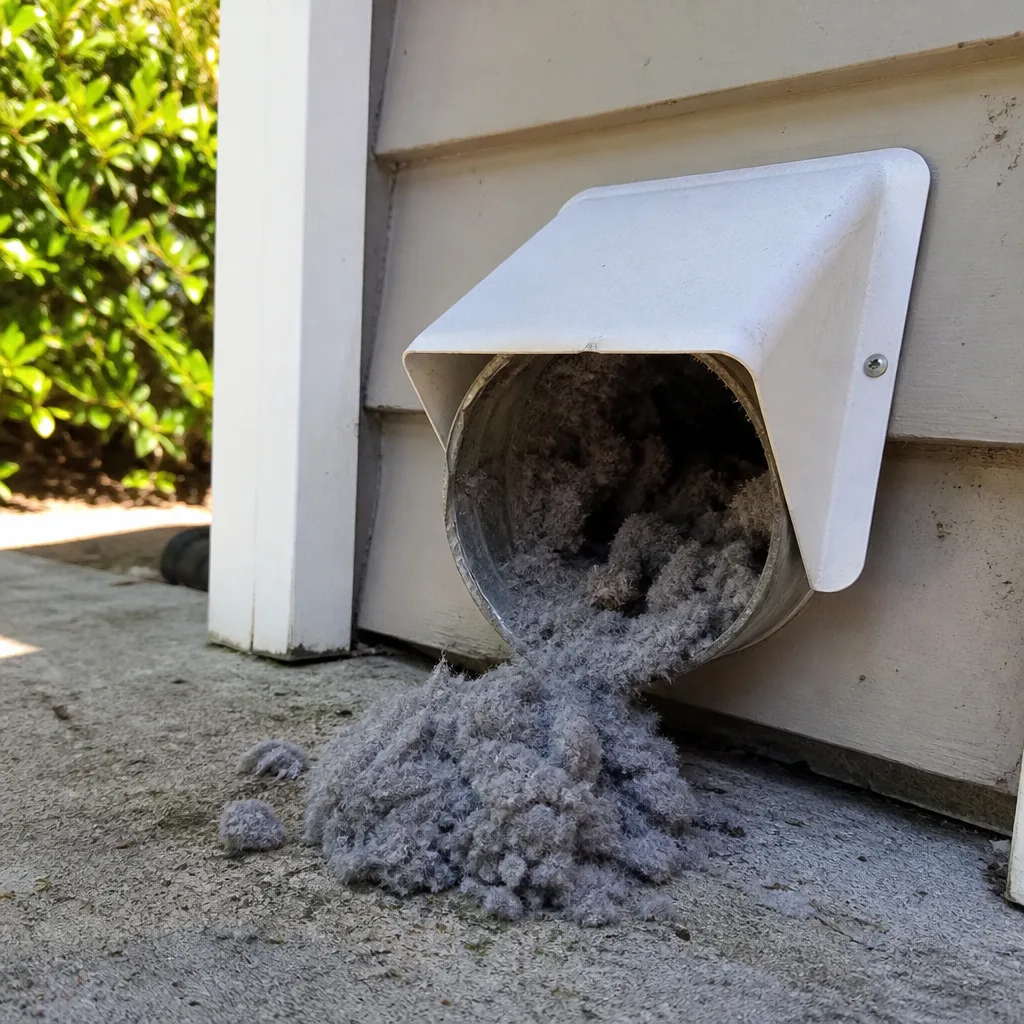 Dryer vent cleaning
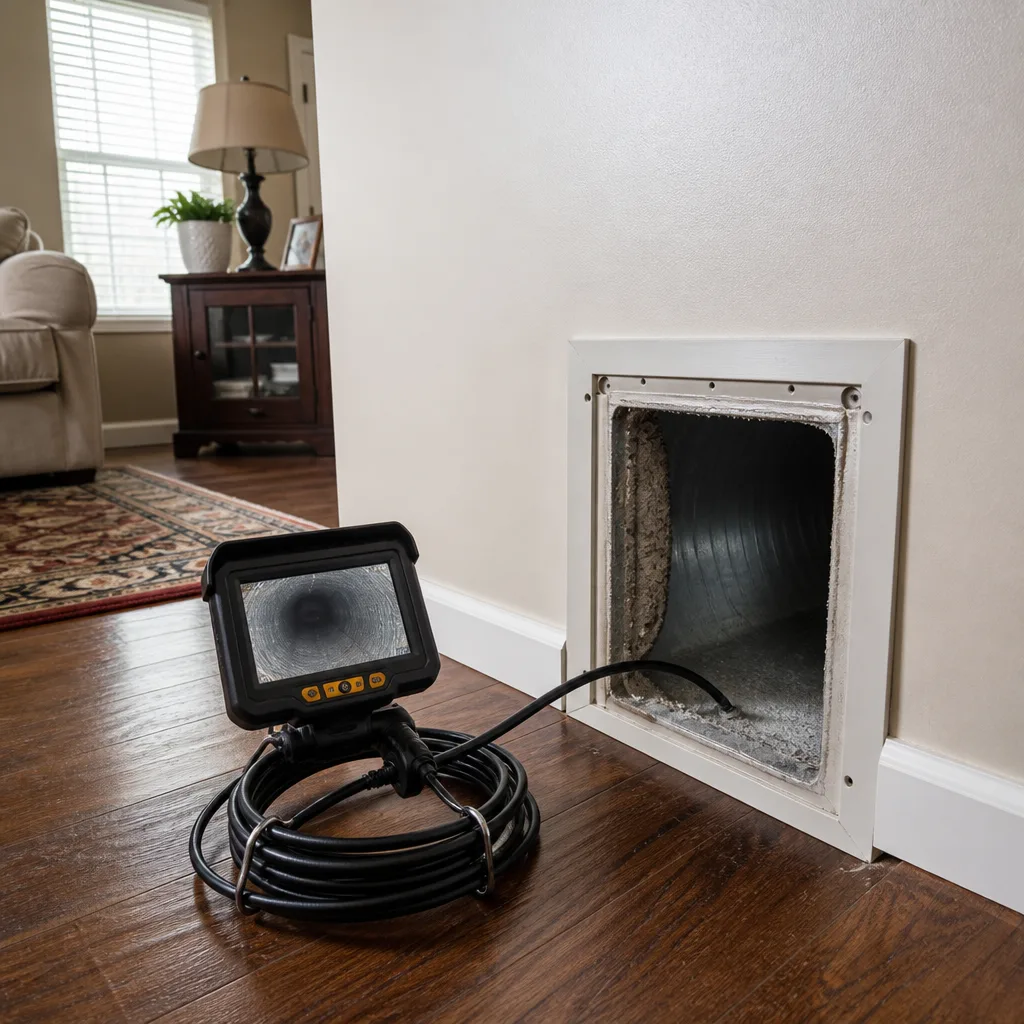 Camera inspection
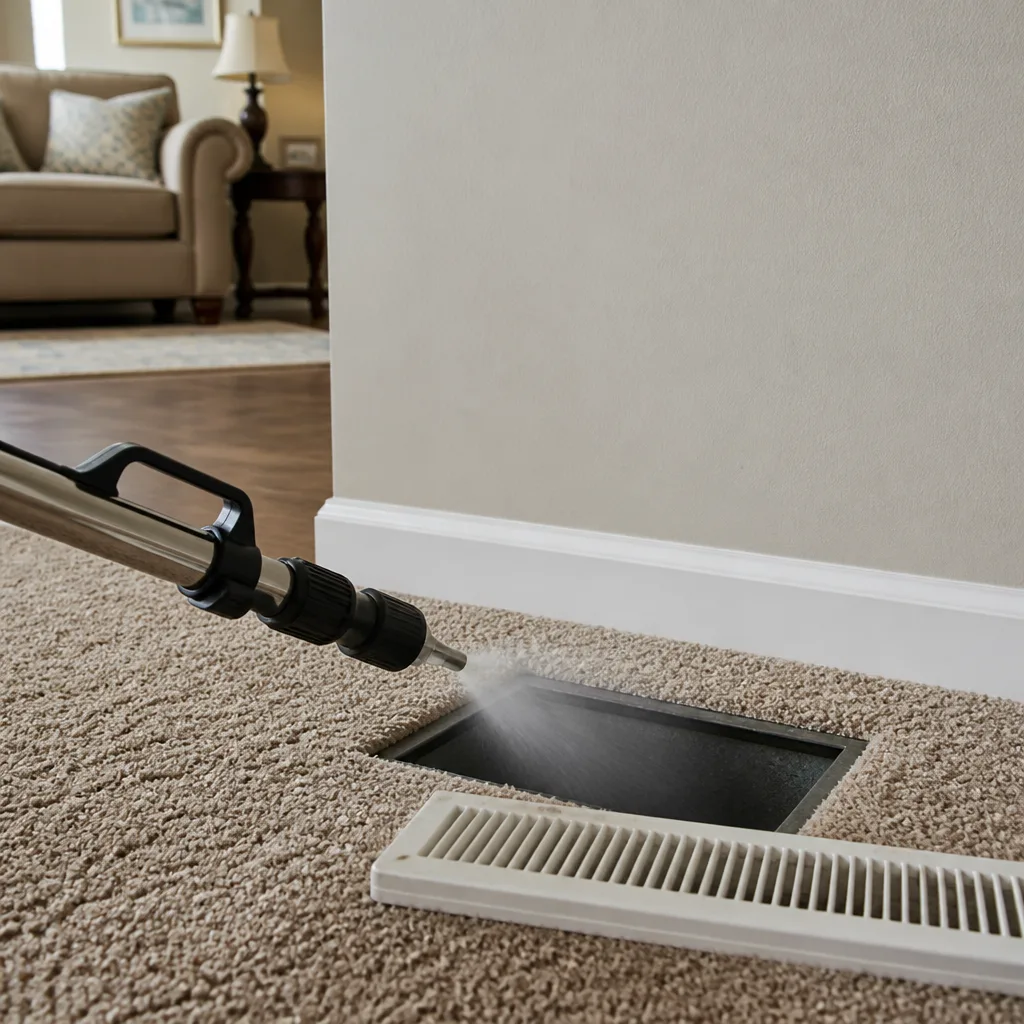 Sanitizing & deodorizing
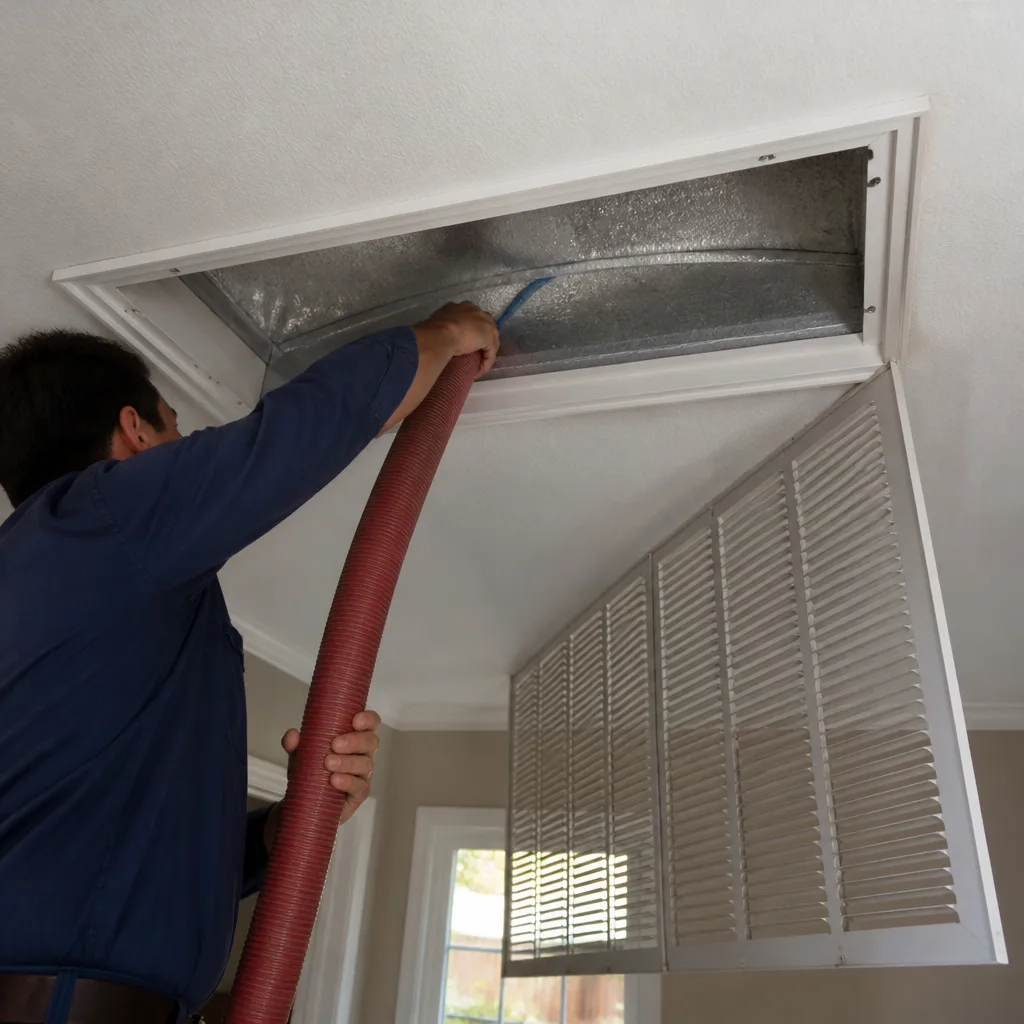
Whole-system duct and dryer vent check with before-and-after photos - you see exactly what came out of your vents
That "$99 whole-house special" is a bait ad - the real number appears once they are in your hallway, or the "clean" is a shop-vac at the register. We photograph the inside of your ducts before and after instead.
Air Duct Cleaning Cost Breakdown: The Atlanta Homeowner’s Reference for 2026
A $199 duct cleaning and a $650 duct cleaning can both be completely fair prices – for completely different homes. The Atlanta homeowner who doesn’t know the difference between the two is the one who gets burned by either an overcharge or an underperforming job. Atlanta’s housing stock is unusually mixed: you’ll find 1920s bungalows in Kirkwood, 1980s vinyl-sided colonials in Marietta, and brand-new builds in Alpharetta, and each one puts a different demand on the duct cleaning crew. This guide maps what you should expect to pay in 2026 based on your home’s actual size, age, and duct material, and explains what separates a legitimate $400 invoice from a “too good to be true” coupon that ends up costing $900.
Styles & brands we work with
Quick Answer
Air duct cleaning in Atlanta typically costs $350 – $550 for a standard single-family home under 2,500 square feet in 2026. Smaller homes and condos run $250 – $350, larger homes with complex layouts run $450 – $800+. The price depends mainly on the number of vents, duct material, and whether the system has never been cleaned or has fiberglass duct board. The cheapest quote usually reflects vacuum-only service without proper agitation, while the most expensive often bundles add-ons you may not need.
Table of Contents
- The Real Price Tiers: What Atlanta Homes Pay by Size
- Why Older Atlanta Homes With Fiberglass Duct Board Cost More
- The Four Legitimate Add-Ons: What’s Worth It and What’s Not
- How Cardinal’s Written Price Guarantee Works in Practice
- Red Flags That Signal a Bait-and-Switch
- How Often Does Atlanta Really Need Duct Cleaning?
- Common Mistakes to Avoid
- When to Call a Professional
- Frequently Asked Questions
- The Bottom Line
The Real Price Tiers: What Atlanta Homes Pay by Size
Most standard air duct cleanings in Atlanta run $350 – $550 for a typical home, but that range assumes a few things: accessible ductwork, sheet metal or flex ducts, and a system that’s been cleaned at least once in the past decade. If you’re looking at a $199 Groupon or a $149 per-system “special,” you’re almost certainly looking at a vacuum-only job with no rotary brush agitation, which means maybe 40% of the debris stays behind-one of the air duct cleaning warning signs every Atlanta homeowner should watch for. Here’s what we see across Atlanta’s actual housing stock in 2026.
| Home Size | Typical Atlanta Home Types | 2026 Market Rate Range | What’s Usually Included |
|---|---|---|---|
| Under 1,500 sq ft | Midtown condos, Decatur bungalows, Grant Park cottages | $250 – $400 | All supply and return ducts, one air handler, basic vent covers |
| 1,500 – 2,500 sq ft | East Cobb ranches, Smyrna split-levels, Brookhaven colonials | $350 – $550 | Full system with rotary agitation, HEPA extraction, all registers |
| 2,500 – 4,000 sq ft | Alpharetta new builds, Dunwoody two-stories, Vinings homes | $450 – $750 | Multi-floor systems, possibly two air handlers, longer runtimes |
| 4,000+ sq ft | Buckhead estates, Sandy Springs properties, multi-zone systems | $650 – $900+ | Multiple zones, additional returns, often 4 – 6 hours of labor |
These are honest market rates for Atlanta in 2026. The spread within each tier comes down to how many vents you have (Atlanta homes built before 1990 often have fewer, larger vents, while new construction runs more, smaller registers covering more square footage), whether there’s accessible attic or crawlspace ductwork, and how long it’s been since the last cleaning. A 2,200-square-foot home in Chamblee that’s never been cleaned since it was built in 1998 will land at the top of its tier. A well-maintained condo in Buckhead that had its ducts done three years ago will land at the bottom.
What matters more than the raw number is what that number buys. A legitimate Atlanta duct cleaning at any price point involves rotary brush agitation (that’s what Rotobrush systems do – they physically scrub the duct walls) combined with negative-pressure extraction, which means the loosened debris goes straight into the vacuum, not back into your living room. Vacuum-only services skip the agitation step entirely. That’s the difference between a $350 job that actually cleans and a $199 job that might as well be a photo op with a shop vac hose.
Why Older Atlanta Homes With Fiberglass Duct Board Cost More
If your Atlanta home was built before 1985, there’s a strong chance your ductwork is made from fiberglass duct board rather than sheet metal. This matters for cleaning cost more than almost any other factor, and it’s rarely explained on anyone’s pricing page. Fiberglass duct board is a compressed fiberglass panel with a foil facing, and it was the go-to material for Atlanta builders from the 1960s through the mid-1980s because it was cheaper than metal and provided built-in insulation. The problem is that the interior surface is fibrous, not smooth. Debris doesn’t slide off it; it embeds.
Cleaning fiberglass duct board requires slower agitation, gentler brush pressure, and often a second pass with the HEPA vacuum to capture loosened particles without damaging the liner. On a typical 2,000-square-foot ranch in Tucker or Decatur, that adds 45 to 90 minutes of labor compared to the same size home with sheet metal ducts. In practical dollars, expect to pay $75 – $150 more for fiberglass duct board cleaning than for metal ductwork of the same size and layout.
Air Duct Cleaning in Atlanta that involves fiberglass board also carries an important long-term consideration: aggressive cleaning with the wrong tools can tear the inner liner, and once that liner is compromised, the duct board starts shedding fiberglass particles into your air stream. That’s a repair bill, not a cleaning bill. This is exactly why the equipment matters. We run Nikro HEPA vacuums paired with Rotobrush brush systems sized for the job, and our technicians know when to ease up on older duct board that a franchise crew with a standard truck-mounted vac might shred without noticing.
Atlanta’s humidity also plays a role here. Fiberglass duct board absorbs moisture more readily than sheet metal, and in crawlspaces under homes in Virginia-Highland or under older ranches in Marietta, that moisture can lead to microbial growth within the duct board itself. If your pre-1985 Atlanta home has had a crawlspace moisture issue, or you’ve seen water staining on first-floor return grilles, tell the company before they quote you-especially since air duct cleaning permits, codes and inspections in GA may affect how the work is performed. Honest companies will factor in the additional care required; the cheapest quote won’t, and you’ll either get a surface-level job or damaged ducts.
The Four Legitimate Add-Ons: What’s Worth It and What’s Not
Every Atlanta duct cleaning quote beyond the base price is built from a short list of add-ons. Four of them are legitimate and worth discussing. A few others are pure upsell noise. Here’s the honest breakdown of what each one actually is, what it should cost in Atlanta in 2026, and whether we’d spend the money on our own home.
1. Air Handler Cleaning
What it is: The air handler is the indoor unit – the box that contains the blower motor, evaporator coil, and filter housing. It’s separate from the ducts themselves. Cleaning it means removing the blower wheel, brushing and vacuuming the coil, and wiping down the interior housing. In Atlanta’s cooling-heavy climate, your air handler runs six to eight months per year, and the evaporator coil is where most microbial growth and dust accumulation actually occurs.
What it costs: $100 – $200 as a legitimate add-on to a duct cleaning.
Worth it? Yes, if your system is more than five years old and you’ve never had it done. Atlanta’s summer humidity means coils get wet and stay wet, and that’s where the musty smell originates that many homeowners mistake for “dirty ducts.” Cleaning the ducts without touching the air handler is like washing your car but leaving the inside of the windows dirty. Everything blows back through within a month. HVAC Cleaning in Atlanta that includes the coil and blower addresses the source, not just the symptom.
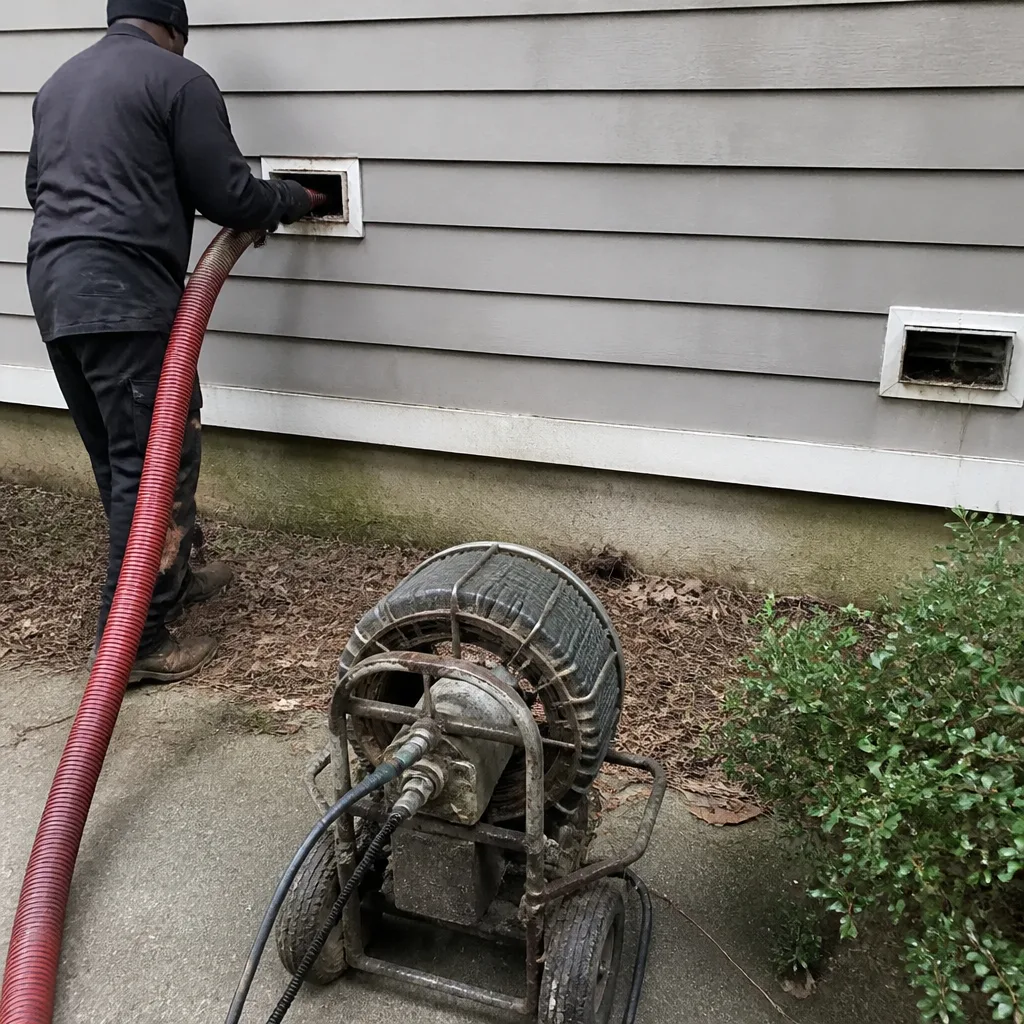
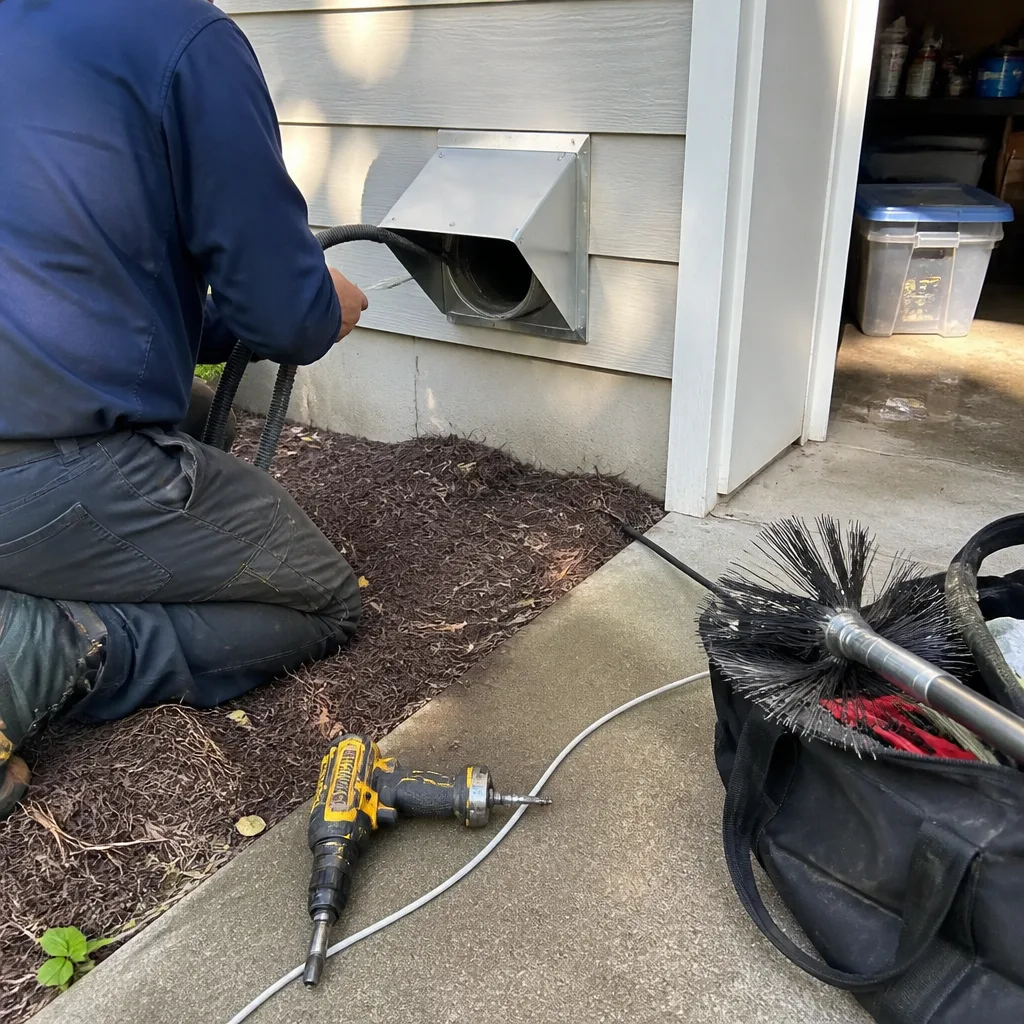
2. Dryer Vent Cleaning
What it is: A separate service from duct cleaning, targeting the dedicated exhaust line that runs from your dryer to the exterior wall cap. Lint accumulates inside this vent, and because dryers generate heat, that lint is a fire hazard, not just an airflow problem.
What it costs: $80 – $150 for a standard single-family home in Atlanta, assuming the vent run is 25 feet or less with one bend. Longer runs or multi-story exits add $25 – $50.
Worth it? Absolutely, if it’s been more than two years or if you’ve noticed your dryer taking longer than one cycle to fully dry a load. Dryer Vent Cleaning in Atlanta should be on your calendar roughly every 12 to 24 months depending on household size. Do not let a duct cleaning company bundle this in at an inflated rate. It’s a legitimate service but should be a line item, not a $300 surprise “because we noticed your vent was clogged.”
3. Antimicrobial Treatment
What it is: A EPA-registered antimicrobial agent applied to the interior of the cleaned ducts and air handler after physical cleaning. The goal is to inhibit mold and microbial regrowth on surfaces that have already been cleaned.
What it costs: $150 – $350 in Atlanta, depending on system size and whether you’re treating the air handler as well.
Worth it? Situationally. If you’ve had visible mold, water damage, or a persistent musty smell that cleaning itself doesn’t resolve, yes. If it’s being sold to you as a “sanitizing upgrade” on an otherwise healthy system, it’s optional. The key question to ask any Atlanta company is: “What product are you using, and is it registered with the EPA for HVAC applications?” If they can’t name the chemical, decline. We use products compatible with Aprilaire and Honeywell filtration equipment because those brands set the standard for post-cleaning air quality in this market. A legitimate antimicrobial treatment should come with documentation of what was applied and where.
4. Rotobrush Agitation vs. Basic Vacuum-Only
What it is: This is the most misunderstood line item in Atlanta duct cleaning. Basic vacuum-only service means the company attaches a vacuum to your duct opening and sucks air through the system. Debris that’s loosely sitting in the duct gets removed. Debris that’s adhered to the duct walls, compacted in corners, or wedged at seams stays put. Rotobrush agitation means a rotating brush head is pushed through the duct while the vacuum runs, physically dislodging the bonded material so the negative pressure can pull it out.
What it costs: The price difference between vacuum-only and Rotobrush agitation in Atlanta is typically $100 – $200, and it’s the single most important line item on any quote.
Worth it? Non-negotiable. Without mechanical agitation, you’re paying for roughly half a cleaning. This is precisely how $199 specials work: the company shows up, runs a vacuum for 45 minutes, takes a photo of the hose in a vent, and leaves. Two weeks later, dust levels are unchanged. Honest Atlanta duct cleaning companies quote the agitation step as standard, not as an upgrade.
How Cardinal’s Written Price Guarantee Works in Practice
Here’s how Cardinal Air Duct Atlanta handles pricing differently, and what that looks like on the day of your appointment. Before any technician touches a vent, you receive a written price that itemizes the entire scope: the number of supply and return ducts, the type of cleaning (Rotobrush agitation plus Nikro HEPA extraction), whether the air handler is included, and any add-ons you’ve selected. That document is yours to keep, and it does not change when the crew arrives.
- You book the appointment. A live person answers the phone, every time. No voicemail loops, no next-business-day callbacks. You tell us the home size, approximate vent count, and whether it’s a single or two-story system.
- The written price arrives before work starts. Our technician walks the home with you, confirms the vent count and system configuration, and hands you the written quote. Nothing gets turned on until you’ve seen the number.
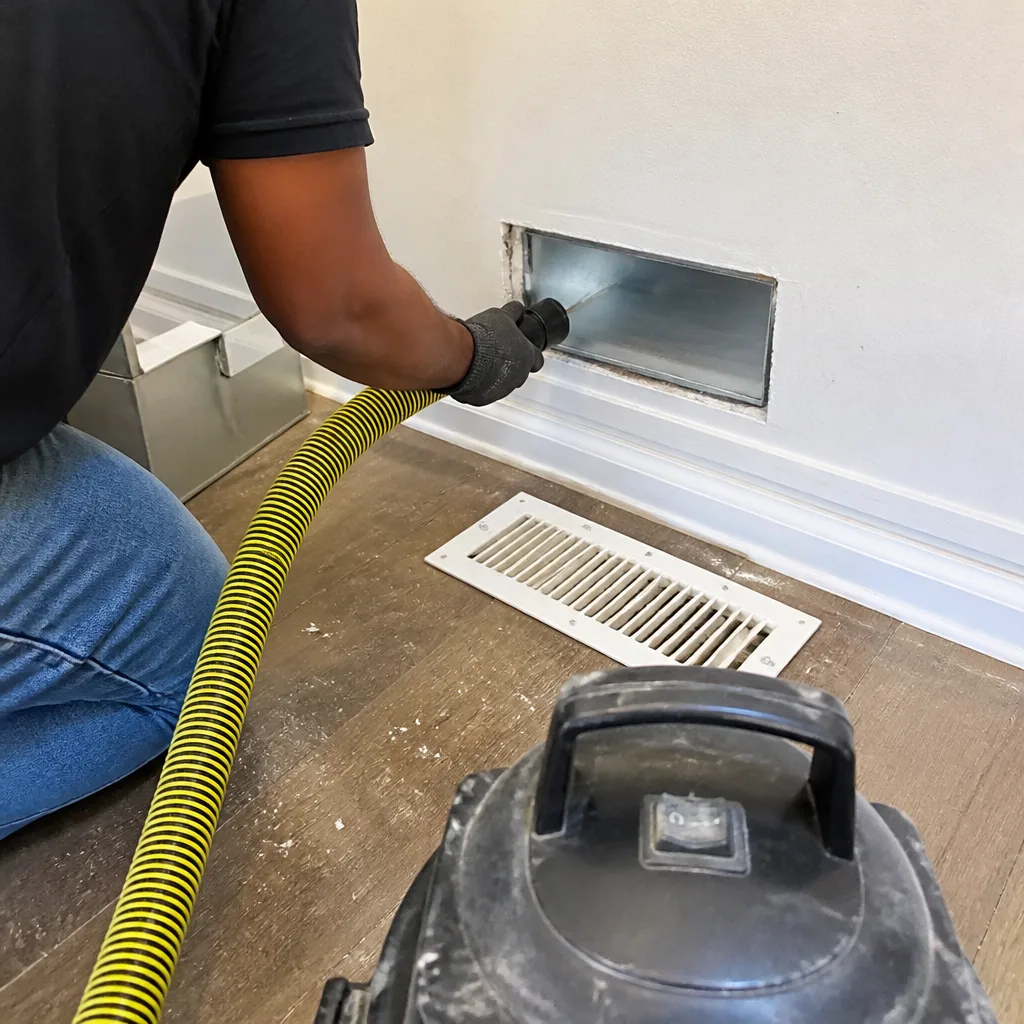
- The work happens, and you see it happening. We run Abatement Technologies containment units when needed to keep disturbed dust from settling back into living spaces, and we document the full job with before-and-after photos at every register and return.
- The final invoice matches the written price. If something legitimately changes scope – say, we find a collapsed duct section in your crawlspace that requires repair – you’re told before anything additional is done, and the repair is itemized separately with its own written quote and its own repair guarantee.
- You pay from your phone. The digital invoice arrives as a link you can tap and pay. That’s the Relay Standard: a live trackable arrival window, before-and-after photo proof, and a phone-native invoice from first tap to final receipt.
The one number every Atlanta homeowner should ask about before booking: “What happens if the final price is higher than the quote?” If the answer is anything other than “it won’t be, unless we find something that requires your approval first,” you’re dealing with a company that prices by feel, not by scope. Our written price is backed by the 365-Day Done Right Promise: if the work isn’t right within 365 days, we return and correct it at no charge. That covers every job, not select ones. The same promise applies to every repair we perform, with a written guarantee and a free second visit if that repair fails.
Red Flags That Signal a Bait-and-Switch
Atlanta has a genuinely competitive duct cleaning market, which is good for pricing but bad for transparency. Here’s what to watch for, based on what we’ve seen from homeowners who called us after a bad experience with a lowball quote.
- Per-vent pricing with no cap. You’re quoted “$39 per vent” but not told how many vents count as a “vent.” A 2,000-square-foot Atlanta home can have 20 to 30 duct openings depending on how you count. A cap should be stated in writing: “not to exceed $X for the full system.” If it’s not there, the final number is whatever the technician decides to count.
- “Mold inspection” fees charged before equipment is deployed. You book a $199 cleaning, and once the tech is inside, you’re told you need a “mold test” for an additional $150 before the cleaning can proceed. This is a fear-based upsell. A legitimate inspector can identify visible mold during a routine cleaning walkthrough without charging an upfront fee.
- Quotes that don’t itemize return vs. supply ducts. Supply ducts carry conditioned air from your air handler to the room. Return ducts pull air back to the system. They’re different sizes, different layouts, and different levels of contamination. Any legitimate Atlanta quote separates them. If a quote just says “full system cleaning,” ask for the breakdown.
- “Free inspection” that turns into a required “deep cleaning package.” The inspection isn’t the problem – it’s the leverage. If the technician “finds” serious contamination that requires an on-the-spot upgrade from $199 to $599, tell them you want the written assessment and you’ll get a second opinion. Legitimate companies will hand you a quote and let you decide.
- No mention of equipment. Ask what brand of equipment the company uses. If they can’t tell you, you’re hiring a truck-mounted shop vac and a brush on a drill. Professional-grade equipment in 2026 means the company can name its fleet: Rotobrush for agitation, Nikro for HEPA extraction, Abatement Technologies for containment. If those names mean nothing to the person on the phone, their “professional equipment” is probably rented from a hardware store.
- Cash-only or deposit-heavy pricing. A legitimate Atlanta company takes standard payment methods and does not require a 50% deposit to “hold the appointment.” Our invoicing is digital and payable by link; you should expect the same level of professionalism from anyone you hire.
How Often Does Atlanta Really Need Duct Cleaning?
The honest answer: less often than the companies that send you postcards would like, and more often than never. For most Atlanta homes, every three to five years is the realistic interval. Here’s the Atlanta-specific math.
Our cooling season runs May through September, which means the air handler runs consistently for five months straight and cycles on and off through October and April. During that time, the system draws air through the return ducts and pushes millions of cubic feet through the supply side. Dust, pollen, and – in much of Atlanta – pet dander from the city’s high dog and cat ownership rates all accumulate on the coil and duct walls. Atlanta’s spring pollen season is famously brutal, and even with a good filter at the return, some of that pollen gets through.
If you have pets, change your air filter less diligently than you should, or live in an older home with carpet, lean toward the three-year mark. If you change your filter monthly, have a newer home with hard floors, and don’t have pets, five years is reasonable. If you’ve had renovation work done – drywall dust, floor sanding, popcorn ceiling removal – clean the ducts immediately after the project wraps. That dust is abrasive and settles everywhere inside your system within days. The same applies if you’ve bought an older home and have no record of when the ducts were last cleaned; the previous owner’s last cleaning date is unknowable for most Atlanta transplants, and a first-time cleaning on an unknown system is always worth doing.
One more Atlanta-specific factor: our humidity. Even in homes without visible water issues, high indoor humidity can cause dust to adhere more firmly to duct surfaces and can accelerate microbial growth in the air handler. If you’ve noticed a persistent musty smell when the system kicks on, or dust accumulating on register grilles within days of cleaning them, those are signs the system itself needs attention, not that you need to dust more often. Omid Haddad, owner at Cardinal Air Duct Atlanta, often tells customers the same thing: “The duct system is the last place dirt should be living, not the first place you look when the house feels dusty.”
Common Mistakes to Avoid
- Choosing the cheapest quote without checking what it includes. A $199 vacuum-only service in Atlanta is not the same product as a $450 rotary-brush cleaning. The cheaper one leaves half the debris in place, and you’ll pay to have it redone properly within a year.
- Assuming “all duct cleaners are the same.” The equipment gap in this industry is vast. A company running Rotobrush and Nikro systems is doing a different job than one using a portable shop vac. Ask for equipment names before booking.
- Ignoring the air handler. In Atlanta, the evaporator coil and blower are where most indoor air quality problems actually originate. Cleaning ducts without the air handler is a half measure. If your quote doesn’t mention the air handler, ask why.
- Paying for antimicrobial treatment without verification. A legitimate application involves a named chemical, a documented application area, and a written record. Anything less vague, and you’re paying for a spritz.
- Not asking about the written price policy. If the company won’t commit to a written price before work starts, the number you saw online is a suggestion. In Atlanta, that’s called a bait-and-switch, and it’s the most common complaint in this industry.
- Forgetting the dryer vent. It’s a separate service and a separate hazard. Lint fires are real, and Atlanta’s older homes often have long, twisty dryer vent runs that haven’t been cleaned in years. Bundle it if you can, but don’t skip it indefinitely.
- Waiting until the system is visibly dirty. By the time you see dust puffing from a register or thick buildup on a grille, the contamination inside the ducts is substantial. Cleaning before it gets there is cheaper and easier.
When to Call a Professional
Call a professional duct cleaner when you see dust accumulating on registers within days of cleaning, when you can’t remember the last time the system was serviced, when a musty smell persists from the vents every time the air kicks on, or when you’ve just finished any renovation that produced dust. In Atlanta specifically, also call if your home has never had its ducts cleaned and you’ve owned it for more than two years, or if you have unexplained allergy symptoms that worsen when you’re home. Duct cleaning is not a DIY job – interior duct surfaces are not accessible without professional tools, and without negative-pressure extraction, any dust you loosen with a consumer vacuum just recirculates through the living space. For more guides & resources on maintaining your home’s air quality, see our blog. Cardinal Air Duct Atlanta offers free estimates in Atlanta – call (470) 408-4927.
Frequently Asked Questions
Air duct cleaning in Atlanta costs $350 – $550 for a standard home under 2,500 square feet as of 2026. Condos and smaller homes run $250 – $400, and larger two-story homes with complex layouts run $450 – $800+. The price depends on vent count, duct material, and whether your system includes multiple air handlers. Call (470) 408-4927 for an exact quote – estimates are free.
The cheapest Atlanta duct cleaning quotes are almost always vacuum-only services that skip mechanical agitation. Without a rotary brush physically dislodging bonded dust and debris, a significant portion of the contamination stays on the duct walls. The quote looks competitive, but you’re buying a partial service. Legitimate companies running Rotobrush and Nikro equipment charge more because they’re doing a fundamentally different job.
You should receive before-and-after photo documentation of every register and return, plus a clear written invoice itemizing what was cleaned. The Relay Standard that Cardinal Air Duct Atlanta operates under includes live trackable arrival time, before-and-after photo proof, and a digital invoice payable by link. If a company cannot provide photo proof, you have no way to verify anything was done beyond your trust in their word.
Every three to five years for most Atlanta homes. Homes with pets, older carpet, or a resident with allergies should lean closer to three years; newer homes with hard floors and diligent filter changes can stretch to five. If you’ve had renovation work or purchased a home with no cleaning history, do it once immediately. A company telling you it’s needed annually is selling you a subscription, not a service.
It depends on the home’s construction history. New construction in Atlanta often leaves drywall dust, sawdust, and construction debris inside the ducts because the HVAC system runs during the building process before the house is fully sealed. A new home that’s never been cleaned can actually be dirtier than a well-maintained older one. If you’ve just moved into a new build, a one-time cleaning is worth considering before you furnish and settle in.
Air duct cleaning targets the ductwork itself: the supply and return lines that carry air through your home. HVAC cleaning targets the system components: the air handler, evaporator coil, blower motor, and filter housing. In Atlanta, both matter because the coil and blower are where moisture and dust interact, creating the conditions for the musty smell many homeowners mistake for dirty ducts. A full-system cleaning should address both. Call (470) 408-4927 to ask about your specific system – a live person answers.
The Bottom Line
Air duct cleaning in Atlanta is priced by what it actually takes to clean your specific home, not by the number someone prints on a coupon. A fair 2026 price for a standard home is $350 – $550, and paying more than that should only happen when the home is larger, has fiberglass duct board, includes the air handler, or adds legitimate services like dryer vent cleaning or antimicrobial treatment. The cheapest quotes are cheap for a reason, and the most expensive ones are often padded with add-ons you don’t need. The solution is written pricing, named equipment, and a company that can point to every dollar on the invoice. That’s how Cardinal Air Duct Atlanta operates, and it’s the least you should expect from anyone you hire in this market.
Written by Omar Haddad, Owner at Cardinal Air Duct Atlanta, serving Atlanta since 2005.
See the difference
 Before
 After
After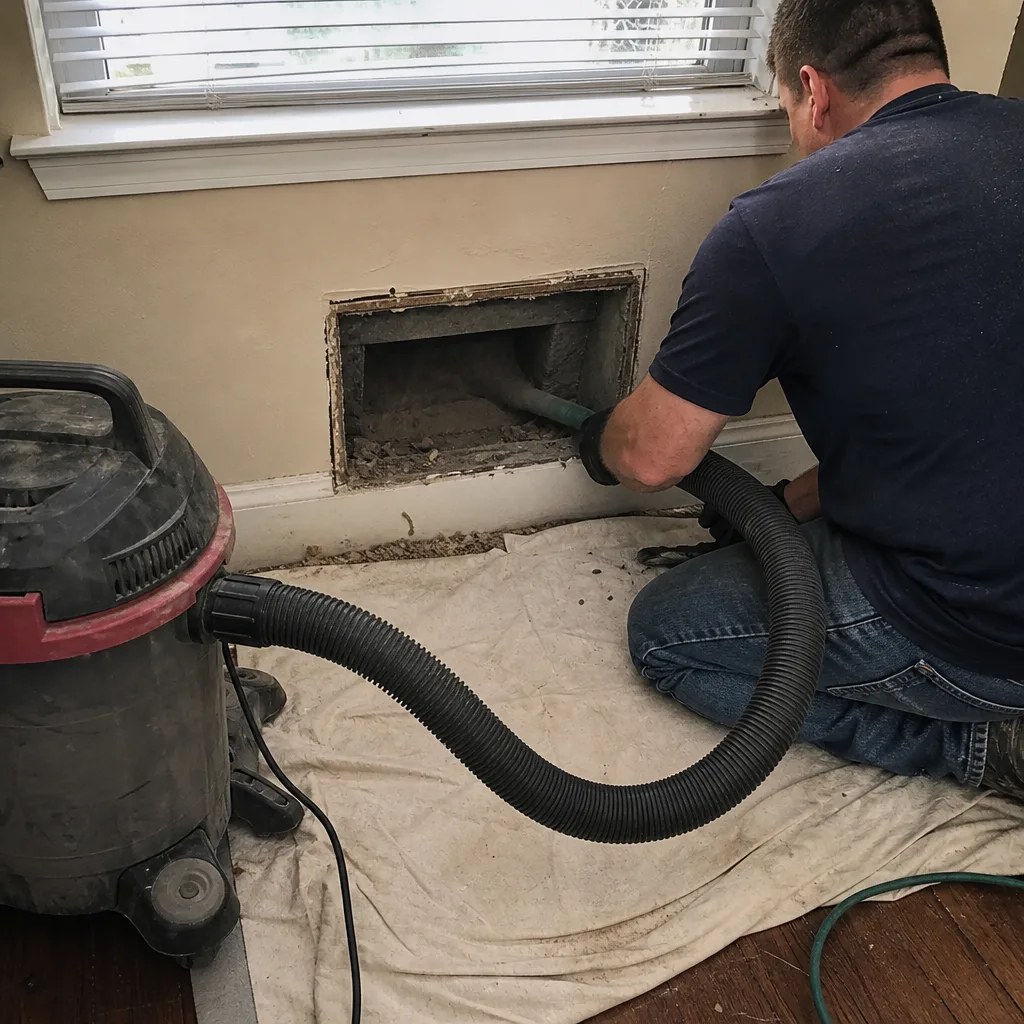 Before
 After
After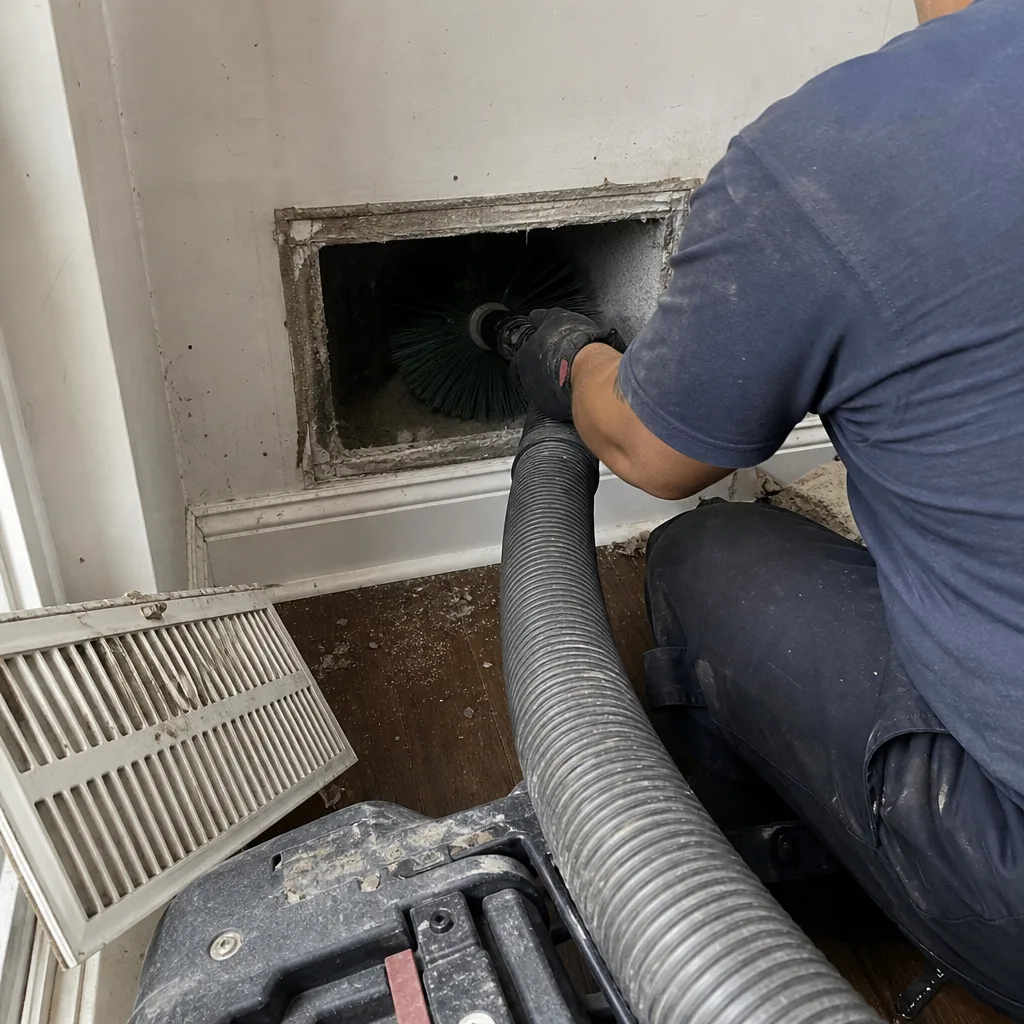 Before
 After
After