
Last updated October 15, 2026
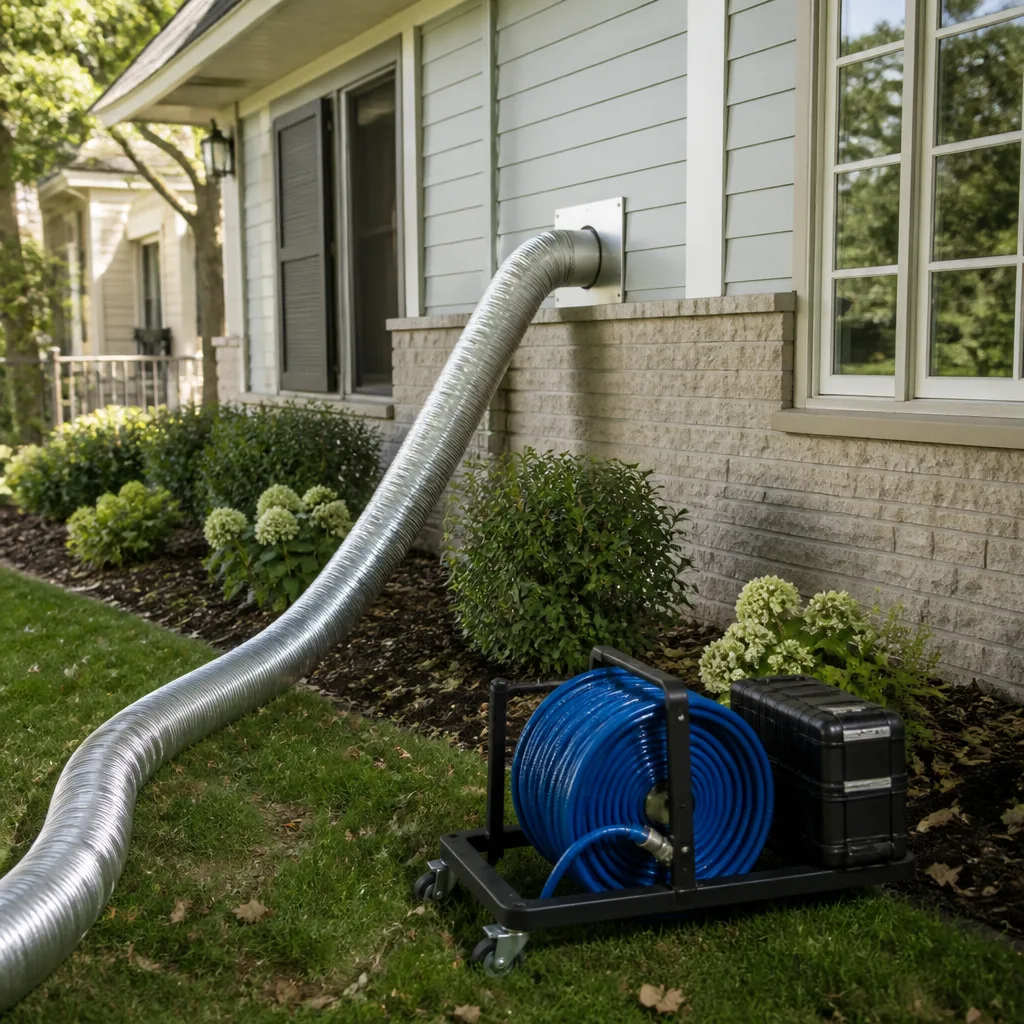 Whole-home duct cleaning
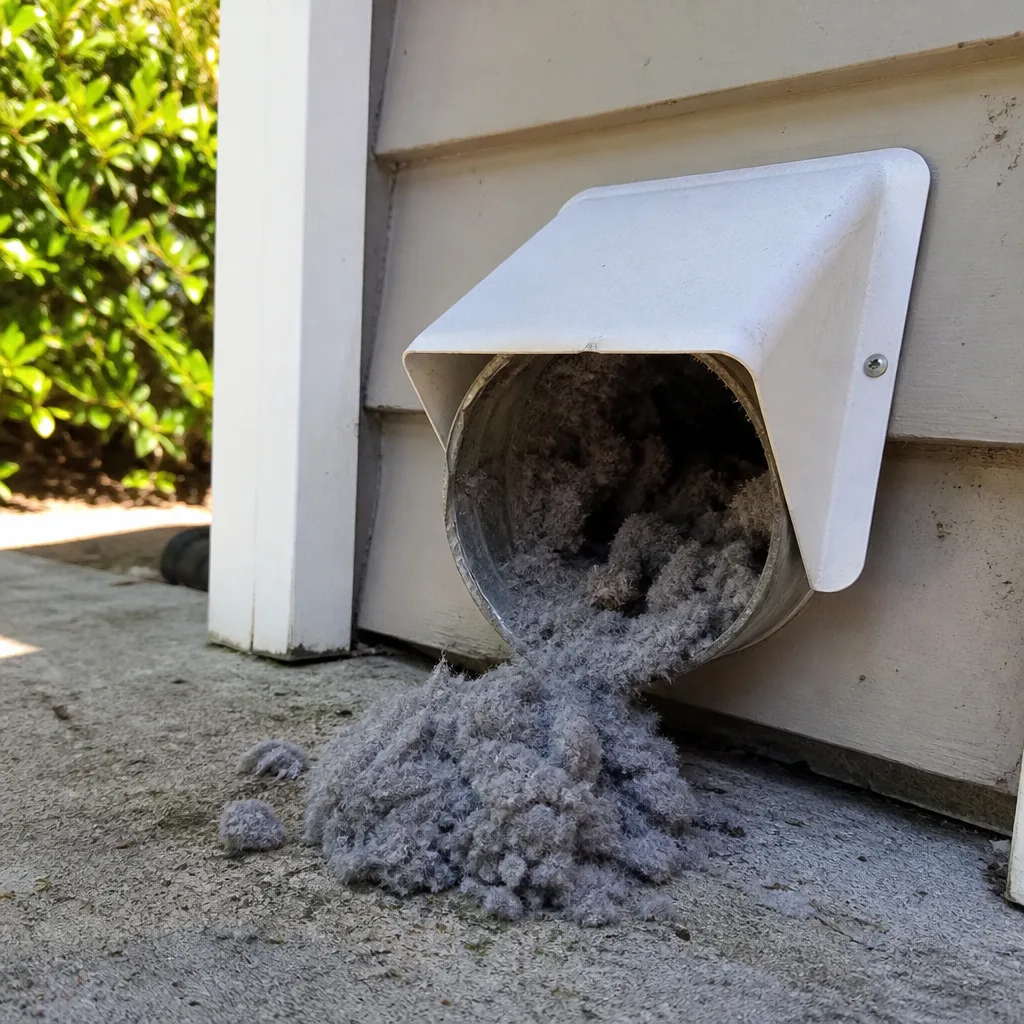 Dryer vent cleaning
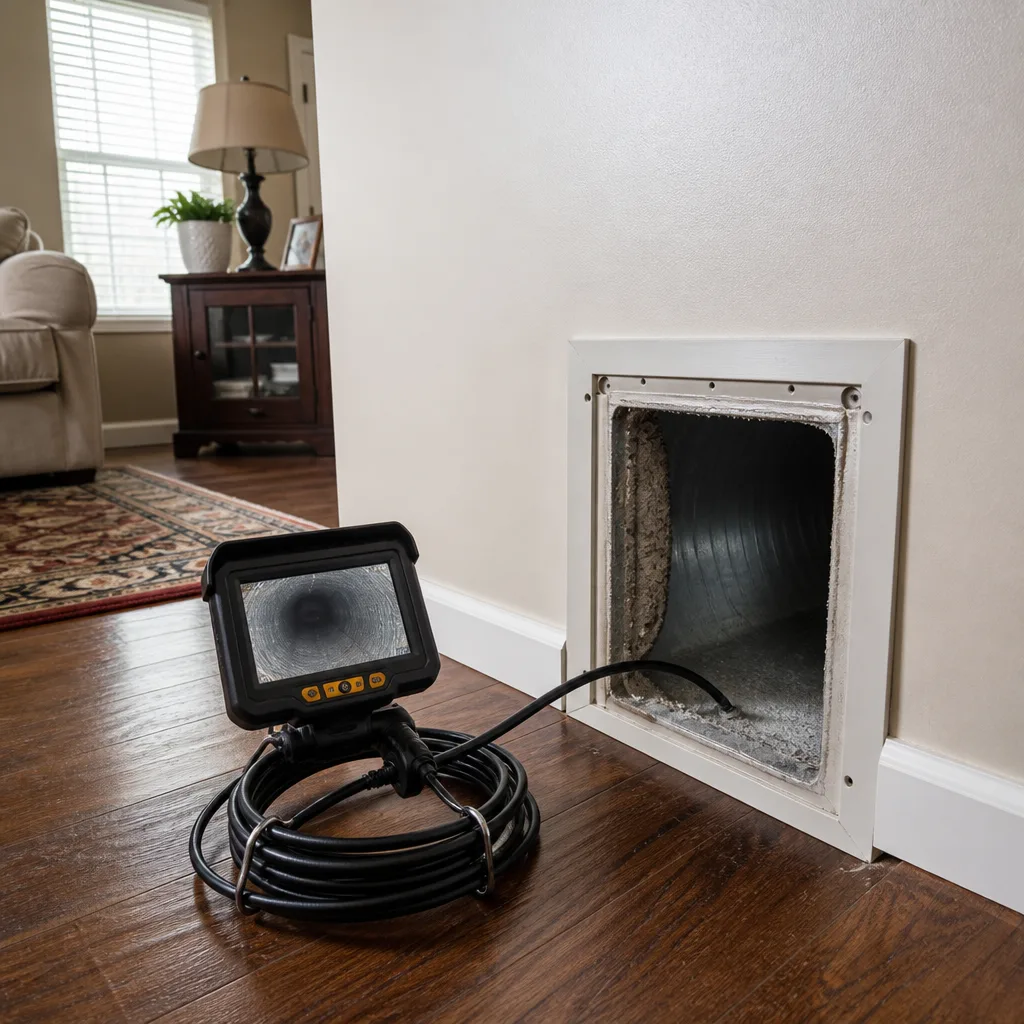 Camera inspection
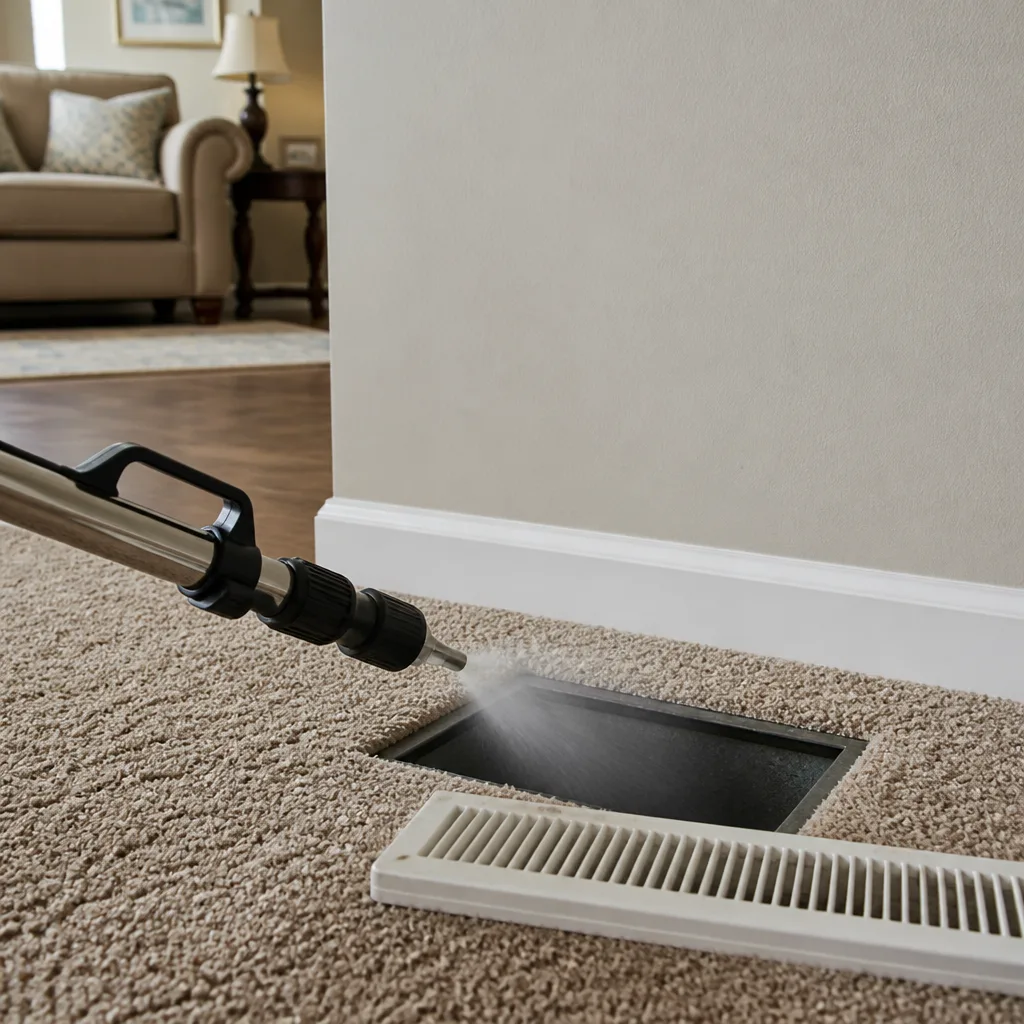 Sanitizing & deodorizing
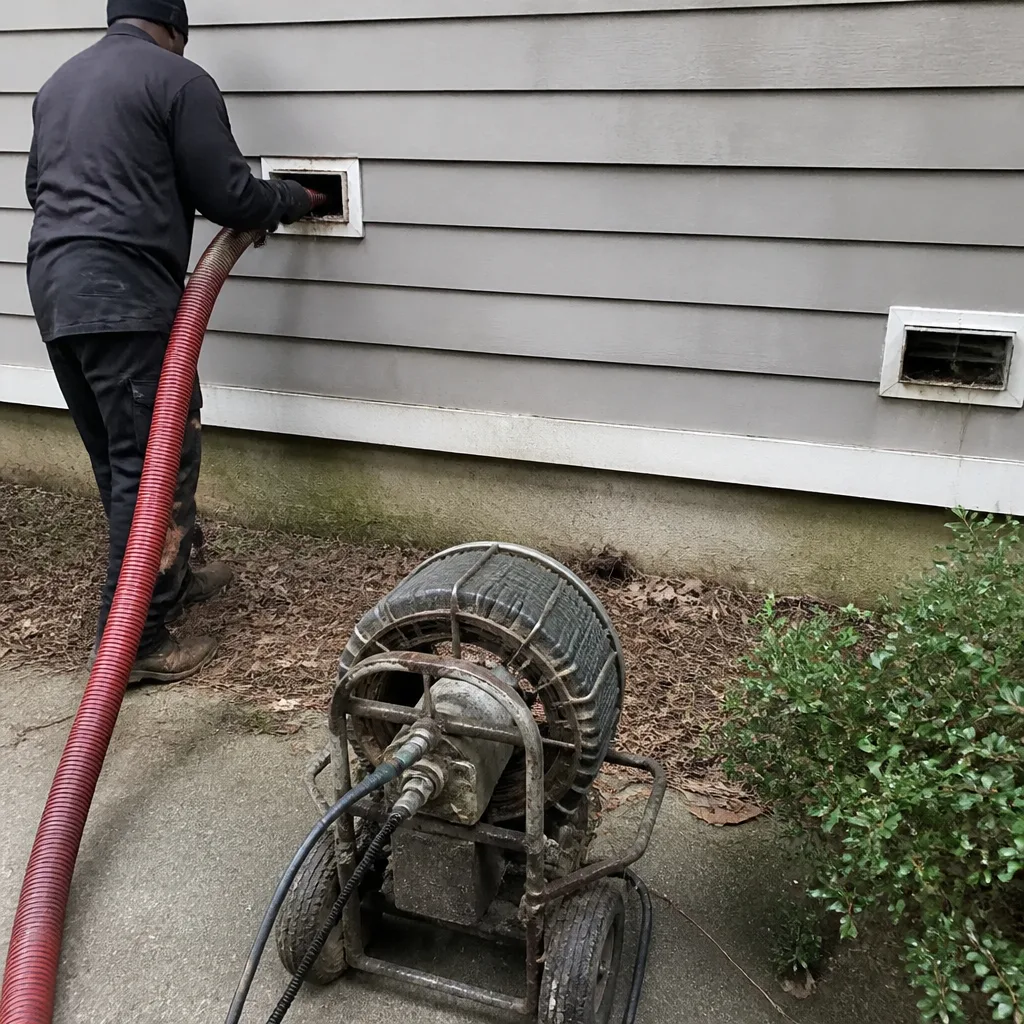
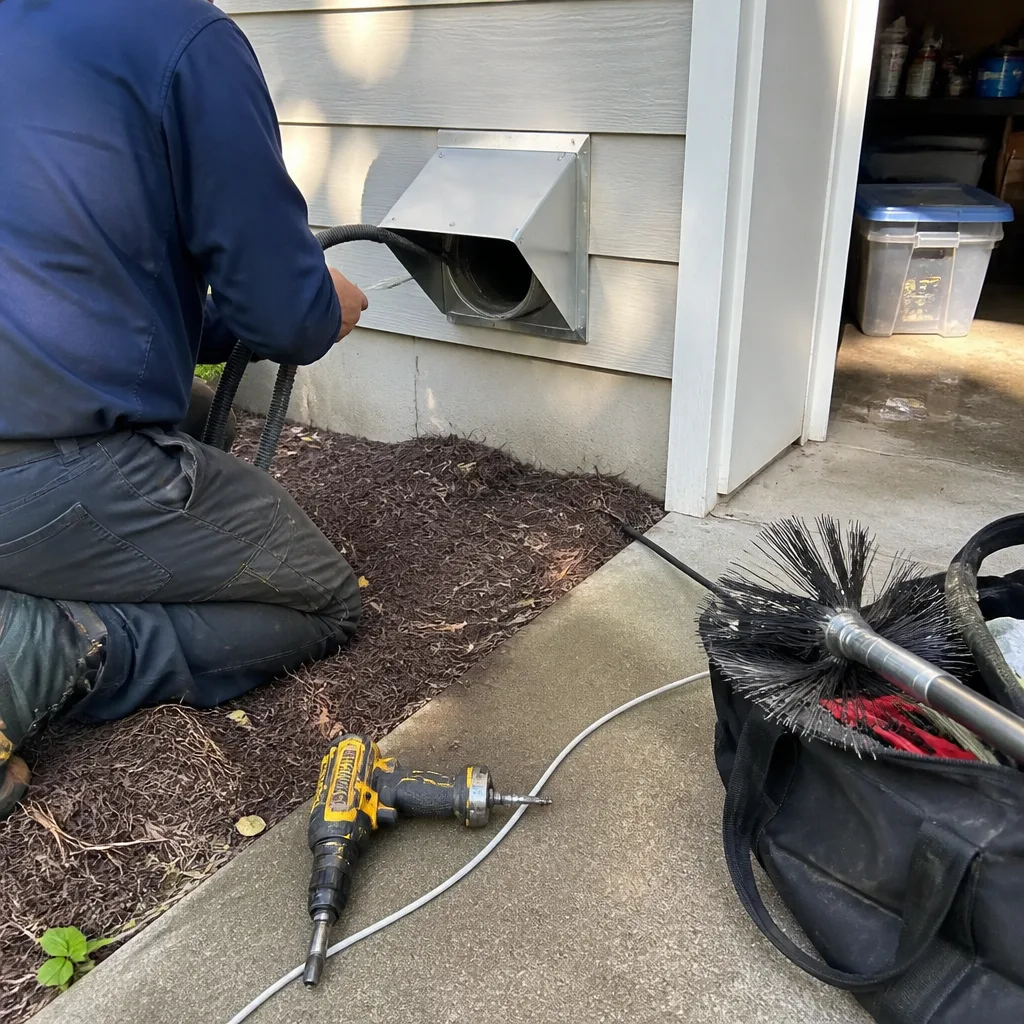
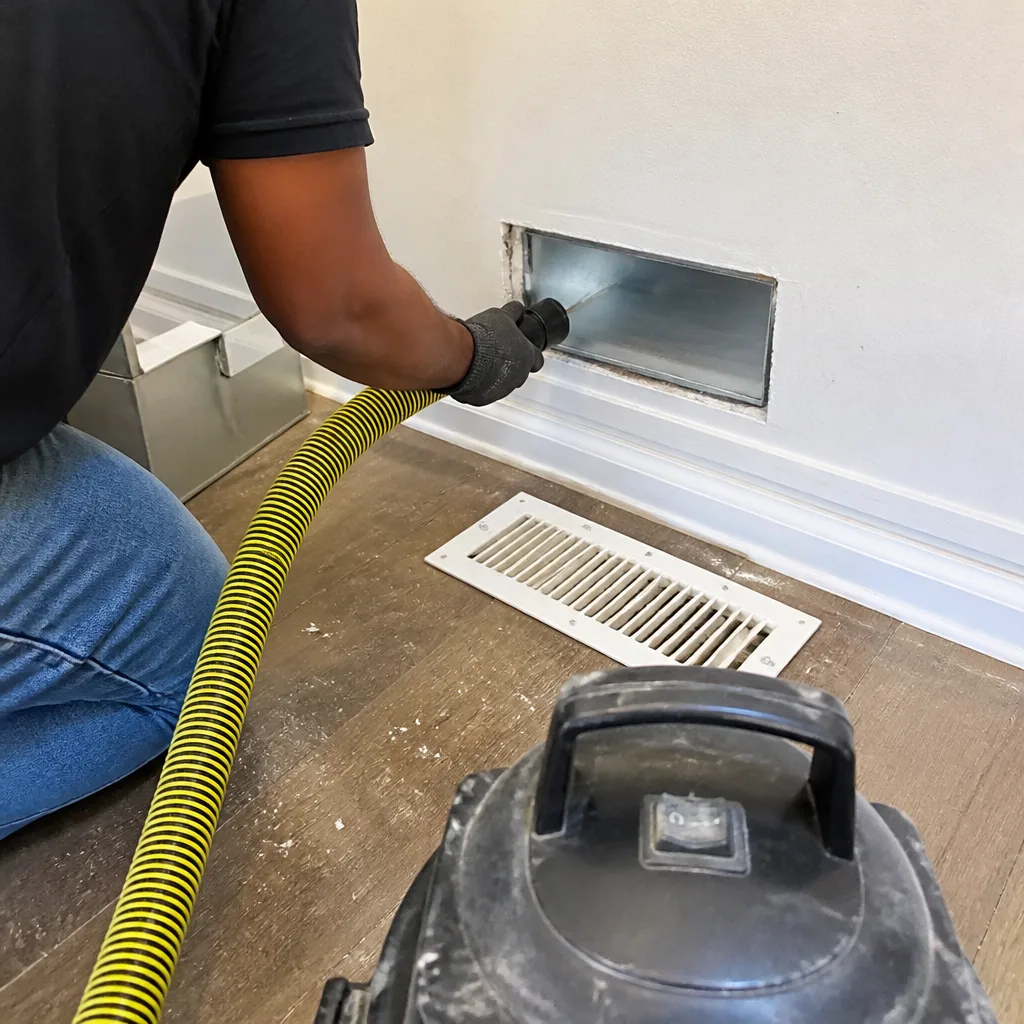
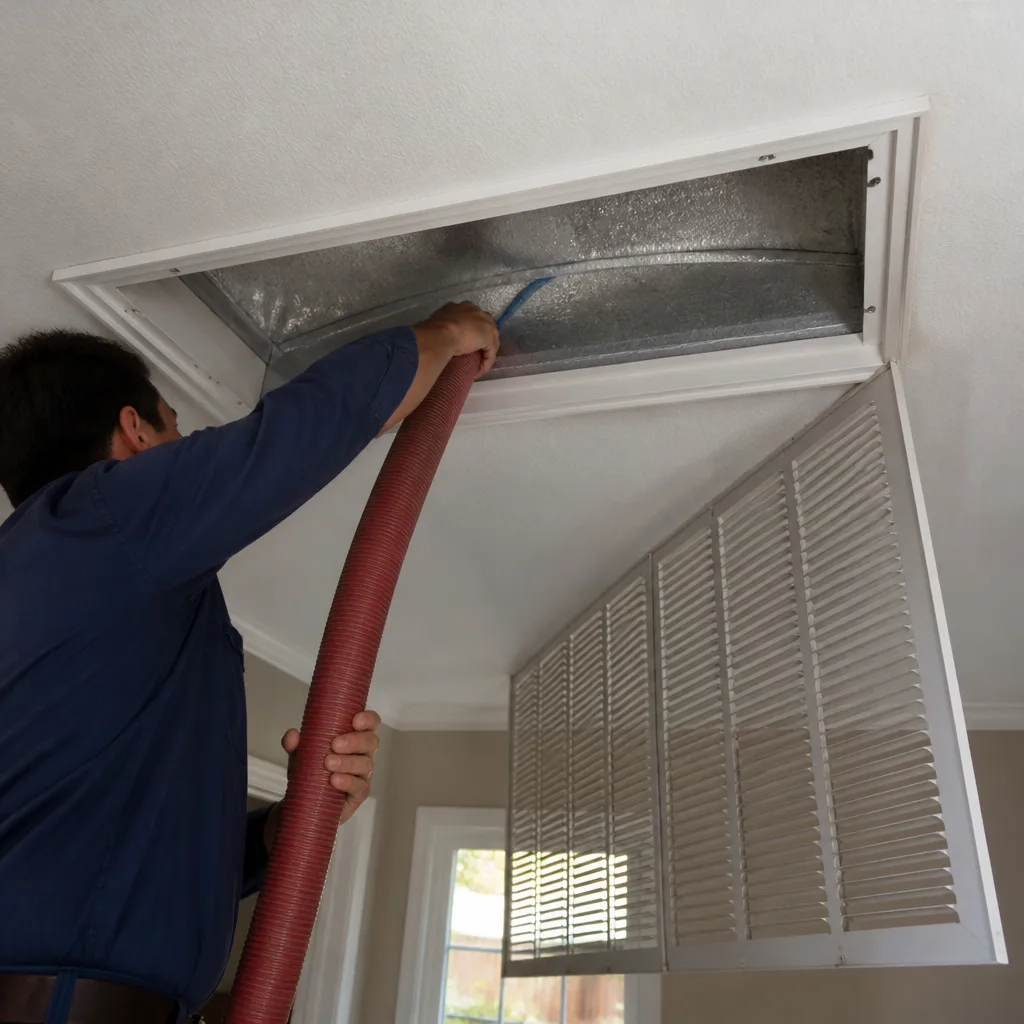
Whole-system duct and dryer vent check with before-and-after photos - you see exactly what came out of your vents
That "$99 whole-house special" is a bait ad - the real number appears once they are in your hallway, or the "clean" is a shop-vac at the register. We photograph the inside of your ducts before and after instead.
Air Duct Cleaning Warning Signs: A Atlanta Homeowner’s Reference Guide
If every guide told you to call a duct cleaner the moment your house smelled musty, cleaners would never be out of work. The truth is messier. Some warning signs are urgent. Some are seasonal noise from Atlanta’s humidity. And some point to a problem a duct cleaning alone won’t fix. This guide takes the vague advice you’ve seen elsewhere (“dusty house,” “weird smell”) and turns it into specific diagnostics you can run yourself in twenty minutes. For more guides & resources, visit our blog. You’ll learn which signs mean monitor it, which mean call today, and which mean you should be calling an HVAC contractor instead of a duct cleaner. By the end, you’ll know more about reading your own air system than most technicians who’ve never worked a humid Southern climate.
Styles & brands we work with
Quick Answer
The clearest warning signs that your Atlanta home needs air duct cleaning are visible debris blowing from supply registers when the system kicks on, a persistent dust film that returns within 48 hours of cleaning surfaces, and a white-tissue test at your return grille that comes back medium to dark grey. If only one room is affected, you likely have a disconnected or crushed duct, not a whole-house cleaning need. If you smell mustiness only after rain, that’s often an Atlanta humidity issue in the duct lining rather than active mold. Our Air Duct Cleaning services in Atlanta typically cost $450 to $900 for a standard single-system home, and any quote dramatically below that range is probably bait, not a bargain.
Table of Contents
- The White-Tissue Test: How to Read Your Return Grille
- Supply Registers vs. Return Grilles: Where the Debris Sits Tells You Where the Problem Lives
- The One-Room Problem: When a Single Stuffy Bedroom Points to a Duct Issue, Not a Cleaning
- Atlanta-Specific Pest Indicators: Dust Debris vs. Insect Frass in Older In-Slab Ducts
- “Musty After Rain” in Atlanta: Duct Lining Humidity vs. Active Mold Growth
- What Air Duct Cleaning Actually Costs in Atlanta (and Why Cheap Quotes Are Red Flags)
- Common Mistakes to Avoid
- When to Call a Professional
- Frequently Asked Questions
- The Bottom Line
The White-Tissue Test: How to Read Your Return Grille
The return grille is the intake point of your HVAC system. It’s the vent where air gets pulled in, usually larger than the supply registers and located in a hallway, stairwell, or central living area. When your system runs, every cubic foot of air circulating through your home passes this point first. That makes it a diagnostic goldmine. Here’s how to run the test.
- Turn your system off. Wait five minutes for dust to settle.
- Take a clean white tissue or paper towel. Fold it once so it has some body.
- Hold the tissue against the grille face. If the system is running with the fan on, you’ll feel the pull. If it’s off, just press the tissue gently against the louvers and hold it for ten seconds.
- Pull the tissue away and look at it under good light.
Now read the result.
- Light grey or faint dust haze: Normal. Every home in Atlanta pulls some airborne particulates. Vacuum the grille face and move on.
- Medium to dark grey with visible particles: Schedule a cleaning. This means your return side is pulling in more debris than the filter is catching, and that debris is now coating the inside of your ductwork.
- Black, clumped, or sticky residue: Stop and inspect further. Black residue on a return grille can be candle soot, pest intrusion, or mold. Don’t assume it’s all the same. Take a photo, then remove the grille and look inside with a flashlight. If the black substance is on the grille face but the duct interior looks clean, you likely have a localized issue at the return. If the black extends inside the duct run, you need a professional assessment before anyone puts a brush in there.
We’ve run this test in homes across Atlanta – from Buckhead condos to ranch houses in Decatur – and the results are consistent: homes that haven’t been cleaned in five or more years almost always show dark grey. Homes cleaned within the past two years with good filtration often show only a faint haze. The tissue doesn’t lie.
One caveat specific to Atlanta: if you run your system year-round (which most of us do, given the summers), dust accumulates faster than in northern homes where systems rest for months. A dark tissue after only a year isn’t unusual here. It’s not panic-worthy, but it is a signal.
Supply Registers vs. Return Grilles: Where the Debris Sits Tells You Where the Problem Lives
When most homeowners say “dust in my vents,” they’re looking at the register in their living room floor or ceiling. But which vent you’re looking at matters enormously. Supply registers blow conditioned air out. Return grilles pull room air in. Debris at each location tells a different story.
Debris at supply registers is the more serious signal. Supply-side dust means particles are being picked up inside the duct system and pushed into your living space. Think of it this way: the air crossing your evaporator coil and traveling through your supply ducts should be the cleanest air in the house, because it’s already passed through your filter. If that air is carrying visible debris, the contamination is inside the system – past the filter. Common culprits include a degraded fiberglass duct liner shedding particles, construction dust from a renovation that got pulled into the supply runs, or a return-side leak pulling attic or crawlspace air into the system before it reaches the filter.
Debris at return grilles is usually less alarming on its own. Returns are the intake side. They pull whatever is floating in your room air – pet hair, dust from hardwood floors, cooking residue – directly into the duct system. Some accumulation at return grilles is normal, especially in Atlanta homes with pets or older carpet. The question is volume. A light dusting you can wipe away with a damp cloth is routine. A thick mat or visible clumps means the return side is doing more work than it should, and the interior of those return ducts is almost certainly coated.
Here’s the diagnostic shorthand we use when talking to Atlanta homeowners:
- Supply registers dusty, returns relatively clean: Problem is inside the system. Schedule a cleaning and have the technician check for damaged duct liner or seal failures.
- Returns dirty, supplies mostly clean: Your house air is the source. Cleaning the return runs will help, but address the root cause too – better filtration, more frequent vacuuming, or a leaky return pulling attic air.
- Both dirty: The whole system needs attention. This is the most common profile for a house that hasn’t been cleaned in four to seven years.
If you’re unsure which type of vent you’re looking at, feel for airflow. Supplies push air when the system runs. Returns pull. A piece of tissue held near the vent will tell you in two seconds.
The One-Room Problem: When a Single Stuffy Bedroom Points to a Duct Issue, Not a Cleaning
Every few weeks we talk to an Atlanta homeowner who says something like, “My daughter’s bedroom is always dusty and stuffy, but the rest of the house feels fine.” Their assumption is usually that the ducts need cleaning. Sometimes that’s true. Often it isn’t.
A room-specific problem – one space that stays stuffy, dusty, or warmer than the rest of the house – typically points to a distribution issue rather than system-wide contamination. The most common causes we find in Atlanta homes:
- Disconnected duct: A supply run has separated at a joint, usually in the attic or crawlspace. The conditioned air dumps into the attic instead of the bedroom. The room gets warm and stuffy. The dust you see is actually being pulled back into the room from the attic through the disconnected run when the system is off.
- Crushed flex duct: Flexible ductwork gets pinched or kinked, often by someone storing boxes in the attic or by a critter walking across it. Airflow to the room drops dramatically. That room’s register blows weak, and dust settles because there isn’t enough air movement to keep it suspended.
- Improperly sized or balanced damper: A damper in the branch line is partially closed, or the room was never properly balanced. The room gets less airflow than it should regardless of duct condition.
- Return deficiency in that room: If the room has a supply register but no return path (common in older Atlanta homes with central hallway returns), the door has to be undercut for air to escape. A tight door seal means air pumped in can’t get out, so the room pressurizes and stagnates.
Here’s the key distinction: if dust or stuffiness is isolated to one room, a whole-house duct cleaning will not fix it. Read DIY vs Professional Air Duct Cleaning: The Atlanta Homeowner’s Decision Guide to decide when to call in the pros. You’d be paying to clean the entire system when the problem is a single disconnected or crushed run. Before you book any service, do this:
- Feel the airflow at each register. Compare the problem room’s register to a room that feels comfortable. If the flow is noticeably weaker, that’s a distribution issue.
- Check the register and nearby floor for dust patterns. Dust concentrated around one register suggests debris is coming through that specific run, not the whole system.
- Look at the door gap. If the problem room’s door fits tightly to the floor, try leaving it open for a day. If the stuffiness improves, the room needs a return path.
If airflow is weak or you find a crushed run, call an HVAC contractor who can inspect the ductwork directly. A duct cleaning company that also handles HVAC work can diagnose this during the visit, but a pure cleaning service may not have the tools or training to find a disconnected joint. Ask before you book. At Cardinal Air Duct Atlanta, we handle both, and our technicians are trained to identify distribution problems during a standard Air Duct Cleaning in Atlanta appointment. If we find a disconnected run, we’ll tell you before we start cleaning – because cleaning the system won’t do anything for a duct that isn’t connected.
Atlanta-Specific Pest Indicators: Dust Debris vs. Insect Frass in Older In-Slab Ducts
Atlanta’s housing stock includes a lot of homes built between the 1950s and 1980s with in-slab duct systems – ducts formed by channels in the concrete foundation. These systems work fine for decades, but they have a structural vulnerability: cracks can form in the slab, creating pathways for pests and groundwater. If you live in an older Atlanta neighborhood like Kirkwood, East Atlanta, or portions of Sandy Springs with mid-century construction, this section applies to you directly.
Here’s the practical question: how do you tell the difference between ordinary dust and insect frass (droppings) inside a duct? The distinction matters because frass indicates live or past pest activity, which requires a different response than routine cleaning.
Characteristics of ordinary duct dust:
- Grey, tan, or light brown in color
- Fine and powdery, disperses when touched
- Typically uniform in appearance
- Sits loosely on flat surfaces
- No odor or a faint earthy smell
Characteristics of insect frass:
- Darker brown to black, sometimes with visible fragments
- Granular or pellet-like, similar to coarse coffee grounds or fine sawdust
- Often accumulates in corners or crevices rather than evenly
- May have a distinct, slightly acrid or oily odor
- Cockroach frass in particular looks like ground pepper and clumps in corners
In Atlanta, the most common duct intruders we encounter are American and smokybrown cockroaches (both thrive in our warm, humid climate), rodents in crawlspace-adjacent duct runs, and occasionally carpenter ants in areas with exterior wall penetrations. Each leaves a different signature, but the visual distinction between frass and dust is the first filter.
If you remove a register and find pellet-like material that doesn’t look like normal house dust, do not just vacuum it out and move on. Take a photo. Then look for corroborating evidence: droppings elsewhere in the room, grease marks from roach bodies near baseboards, or chew marks on duct insulation. If corroboration exists, address the pest issue first, then clean the ducts. Cleaning ducts with active pest activity means you’ll be repeating the job in a few months.
One more Atlanta note: in-slab ducts that crack can also pull in moisture, and moisture plus organic debris (including frass) creates conditions for mold. If your older home has had foundation movement or known slab cracks, and you’re seeing unusual debris at floor registers, have a professional inspect the ducts with a camera before any cleaning begins. This is not a step to skip. A brush pushed through a compromised slab duct can turn a small fissure into a bigger problem.
“Musty After Rain” in Atlanta: Duct Lining Humidity vs. Active Mold Growth
Atlanta’s climate is a mold laboratory. Our average annual humidity hovers around 70%, summer dew points regularly hit the mid-70s, and afternoon thunderstorms are a summer fixture. In that environment, a musty smell after rain can mean two very different things. Learning to tell them apart will save you money and anxiety.
Scenario one: humidity absorbed by duct lining. The inside of many duct systems is lined with fiberglass insulation – it’s there for sound dampening and thermal control. That lining can absorb moisture from humid air when the system cycles off. In Atlanta’s wet season, a duct system that runs intermittently may develop a mild musty odor that appears after rain and fades within a few days of dry weather. The smell is faint, not sharp, and you can’t quite locate it. This is a humidity issue, not active mold. The fix may be as simple as adjusting your thermostat settings, improving attic ventilation, or adding a dehumidifier to your HVAC system. In many cases, a standard cleaning with proper drying will resolve the odor.
Scenario two: active mold growth. If the musty odor is persistent, sharp, or intensifies rather than fading, you may be dealing with actual mold. This is common in Atlanta crawlspaces where standing water raises indoor humidity, or in duct systems that have gotten wet from condensation, leaks, or foundation moisture. Active mold requires more than a brush and vacuum. It requires containment – the kind Abatement Technologies units provide – so that spores aren’t blown into your living space during the remediation process.
Here’s the diagnostic sequence we recommend:
- Does the odor spike when the system first kicks on? A smell that’s stronger at start-up suggests something is growing or sitting inside the ductwork.
- Does the odor fade after the system runs for a few minutes? This suggests the source is inside the ducts and gets diluted by fresh airflow. Active mold often behaves this way.
- Is the smell stronger in one room than another? Localized odor points to a localized problem – a specific duct run with a moisture issue.
- Can you see anything when you remove a register? Look for visible growth on the duct interior, dampness, or staining. Use a flashlight. This is a visual inspection, not a DIY remediation attempt.
Here’s what we tell Atlanta homeowners straight: if you suspect mold, get it tested before you clean. A standard duct cleaning can spread spores if the system isn’t properly contained and the mold isn’t addressed at the source. If active mold is confirmed, you need remediation. After remediation, we run our Rotobrush brush systems with Nikro HEPA vacuum extraction to remove residual debris, paired with Abatement Technologies containment to keep the process sealed. The order matters: remediation first, cleaning second, never the reverse.
What Air Duct Cleaning Actually Costs in Atlanta (and Why Cheap Quotes Are Red Flags)
You’ve seen the ads. “$49 whole-house duct cleaning!” or “$89 with a free inspection!” Here’s the reality from someone who does this work daily in Atlanta: a legitimate whole-house air duct cleaning for a typical single-system home in this market runs between $450 and $900. Multi-system homes, larger square footage, or systems with significant contamination can push higher. Any quote dramatically below that range should trigger your skepticism, not your credit card.
Here’s the breakdown of what you’re paying for:
| Component | What It Means | Typical Atlanta Range |
|---|---|---|
| System inspection | Visual assessment of returns, supplies, coil access, and filter condition before work begins | Often included free |
| Return and supply duct cleaning | Mechanical brushing (Rotobrush) with HEPA vacuum extraction (Nikro) through all accessible runs | $300 – $550 |
| Coil cleaning | Cleaning the evaporator coil if accessible; a dirty coil negates the benefit of clean ducts | $75 – $150 |
| Filtration upgrade | Upgrading to a media filter or Aprilaire system while the system is open | $100 – $300 |
| Sanitizing fog or microbial treatment | Optional; only recommended when odor or contamination warrants it | $100 – $250 |
Those $49 or $89 offers are almost always bait. The technician arrives, takes a quick look, and suddenly the job is $900 because of “excessive contamination” or “mold concerns.” The low price was never real. It was a door-opener, and by the time the quote comes, you’ve already scheduled your day around the visit.
Our approach at Cardinal Air Duct Atlanta is different. You get a written price before any work starts – handed to you, not read to you over the phone after the fact. That price doesn’t change at the door. No per-vent add-ons, no surprise “sanitizing fees.” One flat price per system, agreed before the first duct is touched. That’s the standard we operate under as part of the Relay Home Co. family, and it’s the standard that should be normal in this industry. It isn’t, so we make it explicit.
If you want a real number for your Atlanta home, Cardinal Air Duct Atlanta home offers free estimates. Call us, tell us your square footage and system type, and we’ll give you a written quote based on your actual setup. Not a teaser rate. Not a range so wide it means nothing. A price you can hold us to.
Common Mistakes to Avoid
- Assuming one dusty room means dirty ducts. As covered above, isolated dust or stuffiness usually indicates a disconnected or crushed run, not whole-system contamination. Diagnose before you pay for cleaning.
- Falling for the $49 coupon. In Atlanta’s market, a legitimate whole-house cleaning costs $450 to $900. The coupon price is a door-opener, and the real quote lands much higher once the technician is inside. You’ve been warned.
- Skipping the coil. If your evaporator coil is caked with Atlanta pollen and humidity-driven grime, clean ducts won’t matter. The air passes through that coil every cycle. Insist the coil is inspected and cleaned during any duct service.
- Replacing filters without checking the return side. A clean filter in a leaky return means attic air bypasses the filter entirely. Check for gaps around the filter housing and return plenum. Leaks on the return side pull unfiltered air – and Atlanta attic heat – directly into your system.
- Ignoring the dryer vent. If your dryer vent hasn’t been cleaned in two years, that’s a fire hazard independent of your HVAC ducts. Dryer Vent Cleaning in Atlanta is a separate service, and it should be on your annual list. A clogged dryer vent also dumps humidity into your laundry room, which can feed back into your HVAC system’s air quality.
- Waiting until the registers are visibly caked. By the time debris is caked on your supply registers, the interior of your ducts is far worse. You’re looking at the visible tip of an invisible accumulation. Atlanta’s long runtime seasons mean this happens faster than you think.
- Paying for a cleaning without before-and-after proof. Some companies will clean two registers and call it done. Demand photo documentation. If a company won’t show you the inside of your ducts before and after, walk away. At Cardinal, before-and-after photos are part of every job under The Relay Visibility Guarantee – not an upsell, not an option.
When to Call a Professional
Call today if you’ve run the white-tissue test and gotten dark grey or black, if debris is actively blowing from your supply registers during system runtime, or if a musty odor intensifies rather than fades after rain. Call this week if you’ve lived in your Atlanta home for five or more years without a cleaning, if you’ve completed a renovation that left drywall dust throughout the house, or if you’ve found frass or pest evidence in your registers. Don’t call a duct cleaner first if the problem is isolated to one room with weak airflow – call an HVAC contractor who can inspect the duct run itself. Cardinal Air Duct Atlanta offers free estimates across the metro area. Call (470) 408-4927 and we’ll walk you through what you’re seeing, whether that means booking a service or pointing you to the right trade.
Frequently Asked Questions
Most Atlanta homes need air duct cleaning every 3 to 5 years, though homes with pets, recent renovations, or residents with severe allergies may benefit from more frequent service. Atlanta’s long cooling season and high pollen counts mean our systems run harder and pull more particulate than homes in cooler climates, so if you’re at the four-year mark and haven’t cleaned, you’re likely due. At Cardinal, we’ll tell you honestly during an HVAC Cleaning in Atlanta inspection whether you need the service now or can wait.
Yes, and Atlanta’s pollen season makes this worse here than in most places. When your ducts are coated with accumulated pollen, dust, and pet dander, every system cycle re-suspends those particles into your living space. For allergic homeowners, that’s a continuous low-grade exposure. Clean ducts with good filtration – we recommend Aprilaire media filters for Atlanta’s particulate load – meaningfully reduces that exposure. Call (470) 408-4927 if you want us to assess your specific system.
Several Atlanta-specific factors accelerate duct contamination: our seven-month cooling season, high outdoor humidity that makes dust stickier and more likely to adhere to duct walls, pollen loads in spring and fall, and the prevalence of crawlspace foundations in older homes that can introduce moisture and pest issues. Homes with dogs or cats, smokers, or frequent renovation projects also accumulate debris faster.
Air duct cleaning addresses the distribution network – the return and supply runs, registers, and grilles. HVAC cleaning goes further and includes the air handler, evaporator and condenser coils, blower assembly, and drain pan. If your coils are dirty, duct cleaning alone won’t solve your air quality or efficiency problems. In Atlanta’s humidity, coil contamination is almost universal in homes that haven’t been serviced in several years.
Demand before-and-after photos of the duct interior from the company performing the work. Under The Relay Standard, every Cardinal Air Duct Atlanta job includes photo documentation showing the inside of your ducts before and after cleaning, plus a digital invoice and a live-tracked arrival window. If a company won’t provide visual proof, you have no way of verifying the work happened at all. That’s not acceptable, and you shouldn’t accept it.
It depends on what’s inside your ducts, not just what you see on your furniture. Many Atlanta homes with clean-looking living spaces have significant duct contamination that they’re not aware of – the debris sits inside the system, not on your coffee table. If you’re at the four-to-five-year mark, run the white-tissue test described above. If it comes back dark grey, the answer is yes. If it’s barely hazed, you can likely hold off for another year or two. When in doubt, call us for an honest assessment rather than a sales pitch. That’s the whole point of this guide.
The Bottom Line
Most “warning signs” lists for air duct cleaning are too vague to act on. This guide gives you the specific diagnostics: the white-tissue test at your return grille, the distinction between supply-side and return-side debris, the one-room pattern that points to a crushed run rather than a dirty system, the frass-versus-dust check for Atlanta’s older homes, and the musty-after-rain smell that separates humidity from mold. Use these tools before you spend a dollar. When you do decide to clean, demand written pricing before work starts, before-and-after proof, and a company that names its equipment. If a cleaner won’t show you the work, don’t pay for it. Cardinal Air Duct Atlanta does it differently – one flat price, photo proof, and a 365-Day Done Right Promise on every job. Call (470) 408-4927 for a free estimate, or book through the site. We’ll tell you what your ducts need. Honestly.
Written by Omar Haddad, Owner at Cardinal Air Duct Atlanta, serving Atlanta since 2005.
See the difference
 Before
 After
After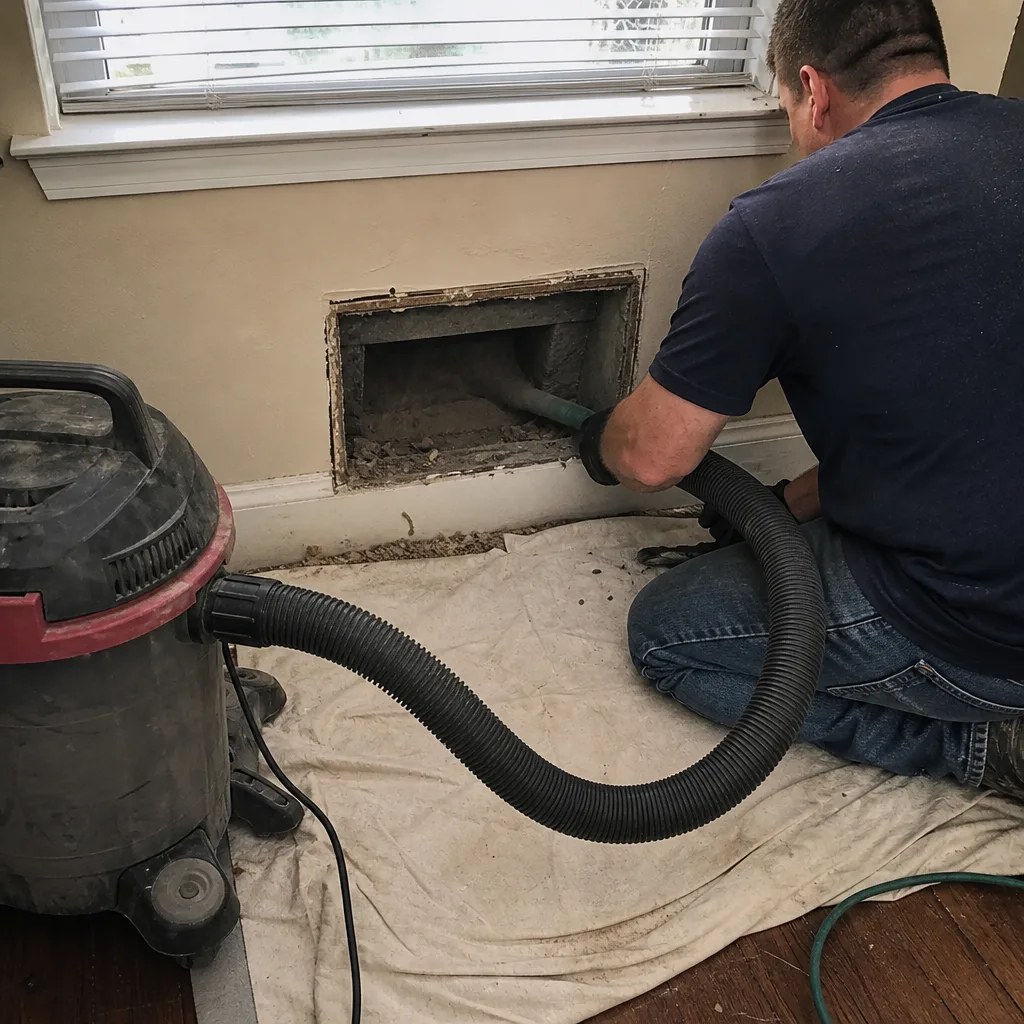 Before
 After
After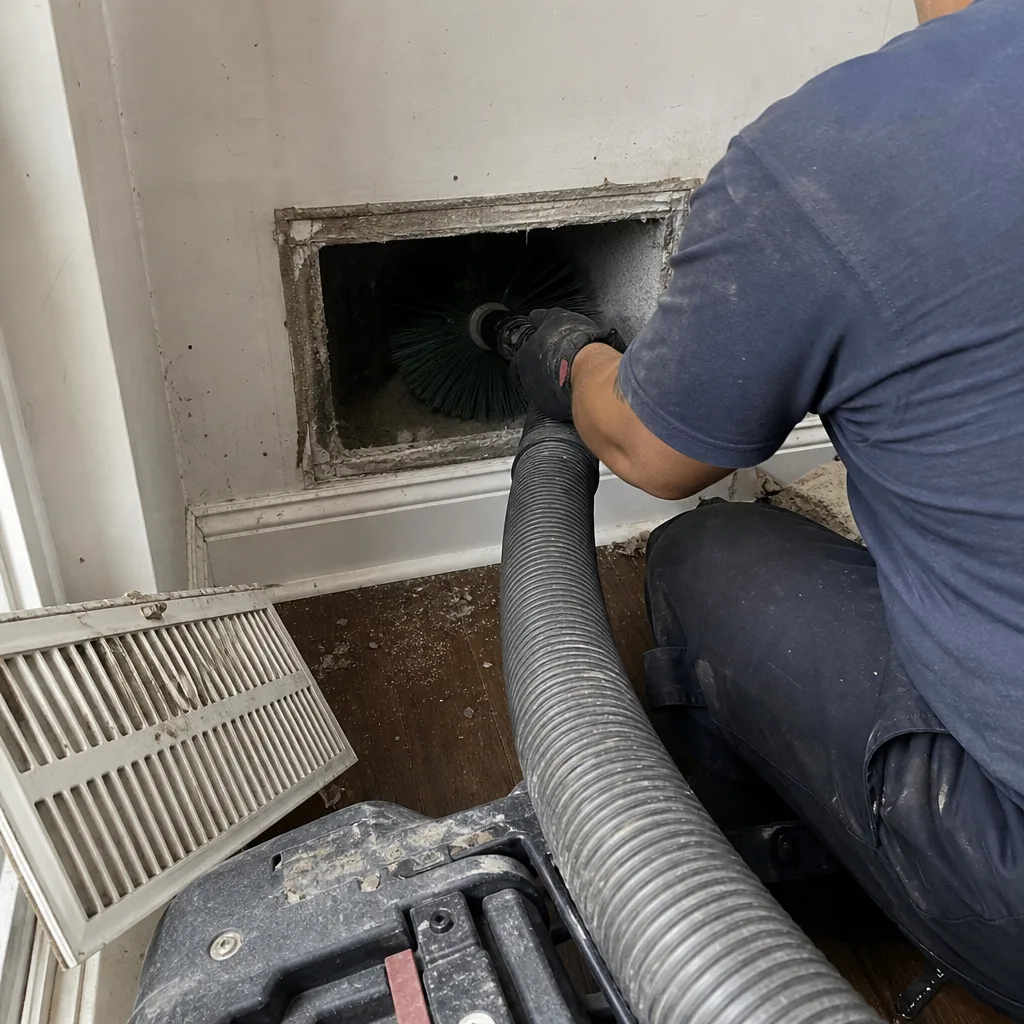 Before
 After
After